



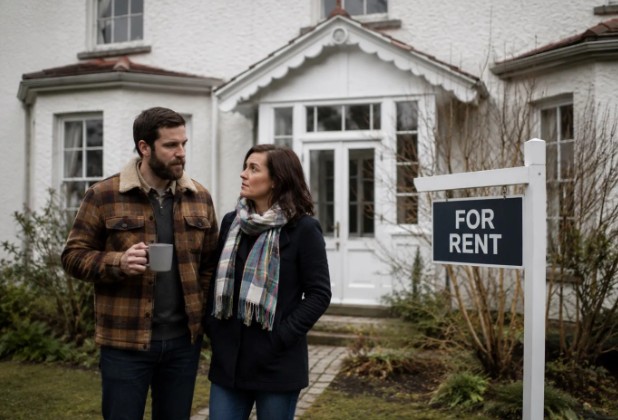
Most people do not buy a rental property expecting to eventually feel worn down by it.
The plan is usually pretty straightforward. Hold it long-term, collect rent, build equity, and let time do its work.
And for many owners, that works for a long time.
But sometimes things start changing in ways that are easy to miss at first.
Not because something major happened. Usually it is smaller things. A repair call that feels a little more frustrating than it used to. Another weekend interrupted. A property issue that somehow stays in the back of your mind longer than it should.
Many landlords do not suddenly decide they want out.
More often, they start noticing that owning the property no longer feels the way it used to.
1.Repairs Start Showing Up Faster Than Expected
Most landlords go into ownership knowing repairs are part of the deal. Nobody buys a rental property expecting everything to run perfectly forever.
What catches people off guard is usually not the big repair everyone plans for. It is the smaller things that seem to start arriving closer together.
A plumbing issue gets fixed, then a few weeks later the HVAC starts acting up. You handle that, things calm down for a bit, and then another maintenance call comes in. None of it feels serious on its own.
But after a while, some owners start noticing something that has less to do with money.
The property slowly stops feeling like something quietly working in the background and starts feeling like something constantly asking for attention.
2. Rent Collection Starts Feeling Like a Monthly Battle
Most landlords know that a late payment once in a while is part of the business. Things happen. People lose jobs, unexpected expenses come up, and one difficult month does not necessarily mean much on its own. What starts wearing people down is when uncertainty slowly becomes part of the routine.
It begins showing up in small ways. You check your phone more often around the first of the month. You find yourself wondering whether rent is coming today or whether another conversation is waiting around the corner.
The money matters, of course. But after a while, it often becomes about something else too. Some owners realize they are no longer expecting rent to arrive. They are waiting to see if it does.
That shift sounds small, but it changes the feeling of ownership more than many people expect.
3. You Spend More Time Thinking About the Property Than You Used To
This one usually shows up quietly.
Nothing necessarily changes overnight. The property still looks fine from the outside. Rent may still be coming in. There may not even be an obvious problem to point at.
But somehow it starts showing up in your thoughts more often than it used to.
You are driving somewhere and remember you still need to follow up on something. You are having dinner and suddenly think about a lease renewal coming up next month. You finish dealing with one issue and catch yourself wondering what the next phone call will be about.
None of these things feel important on their own. Most landlords would probably call them normal parts of ownership.
But after a while, some people start noticing that the property is no longer just something they own. It starts feeling like something quietly following them around.
4. Vacancies Begin Lasting Longer Than They Once Did
Most landlords expect a property to sit empty once in a while. A few weeks between tenants usually feels like part of the process. What starts feeling different is when those empty periods begin taking on a life of their own.
The property sits a little longer than expected. You tell yourself it will probably rent next week. Then next week passes. Utility bills still arrive. The lawn still needs attention. Small touch-ups somehow turn into a list of things you were not planning to deal with.
The money matters, of course. But after a while, it is not only about missing rent.
There is something about an empty property that keeps reminding you it is there. Some owners start noticing they think about a vacant property differently than an occupied one. A rented house feels like something quietly moving forward. An empty house can start feeling like something waiting on you.
5. Owning the Property Starts Affecting Life Outside of It
Most landlords know a rental property takes time. Calls need to be returned, repairs come up, things need attention. That part usually feels like part of the deal.
What people do not always expect is how quietly those things can start spilling into everything around them.
You are out doing something completely unrelated and remember there is still a contractor you never called back. You sit down to relax and suddenly think about a lease ending next month. You finish dealing with one issue and realize another small thing has already taken its place.
None of these moments seem like a big deal on their own. Most people would barely think twice about them. But after a while, some owners start noticing that the property is no longer just asking for time when something happens. It starts showing up even when nothing is happening.

6. The Property Still Makes Money — But You No Longer Enjoy Owning It
A lot of landlords assume that as long as a property is still making money, there is no real reason to question keeping it. But those two things do not always move together.
Rent may still be coming in. The property may still be producing income. On paper, everything can still look perfectly fine.
At the same time, some owners quietly realize something else has changed. They no longer enjoy owning it the way they once did. Not because the property failed. Not because it was a bad investment.
Sometimes the numbers still make sense, but the experience no longer does.
At that point, some landlords begin exploring different paths forward. Some bring in property management, some reduce the number of properties they own, and others look into options for selling a rental property without taking on additional work or repairs.
7. You Keep Telling Yourself “Just One More Year”
This one usually sounds reasonable in the moment. Maybe after the next lease renewal things will settle down. Maybe after one more repair. Maybe after the market shifts a little. Maybe next year will feel different.
And sometimes waiting does make sense.
But some owners eventually notice they have been having the same conversation with themselves for longer than they expected. The timeline keeps moving, but the feeling never really does.
Not because the property is failing. Not because something is seriously wrong.
Sometimes a small part of you already knows something has changed long before you are ready to say it out loud.
Conclusion
Sometimes none of these signs feel especially important on their own. A repair here. A vacancy there. Another issue to deal with.
But over time, smaller things have a way of changing the experience of ownership.
Sometimes the question slowly shifts from:
"Can I keep owning this property?"
to
"Do I still want to?"