



Summer heat places a heavy demand on home comfort systems. Most property owners expect their cooling units to work perfectly with the flip of a thermostat switch. These mechanical systems do not last forever. Recognizing the subtle warning signs of a failing setup saves money.
A proactive approach prevents complete system breakdowns during high-temperature weeks. Knowing when to swap out your current cooling setup maintains home comfort and lowers monthly operational expenses.
Age of the System
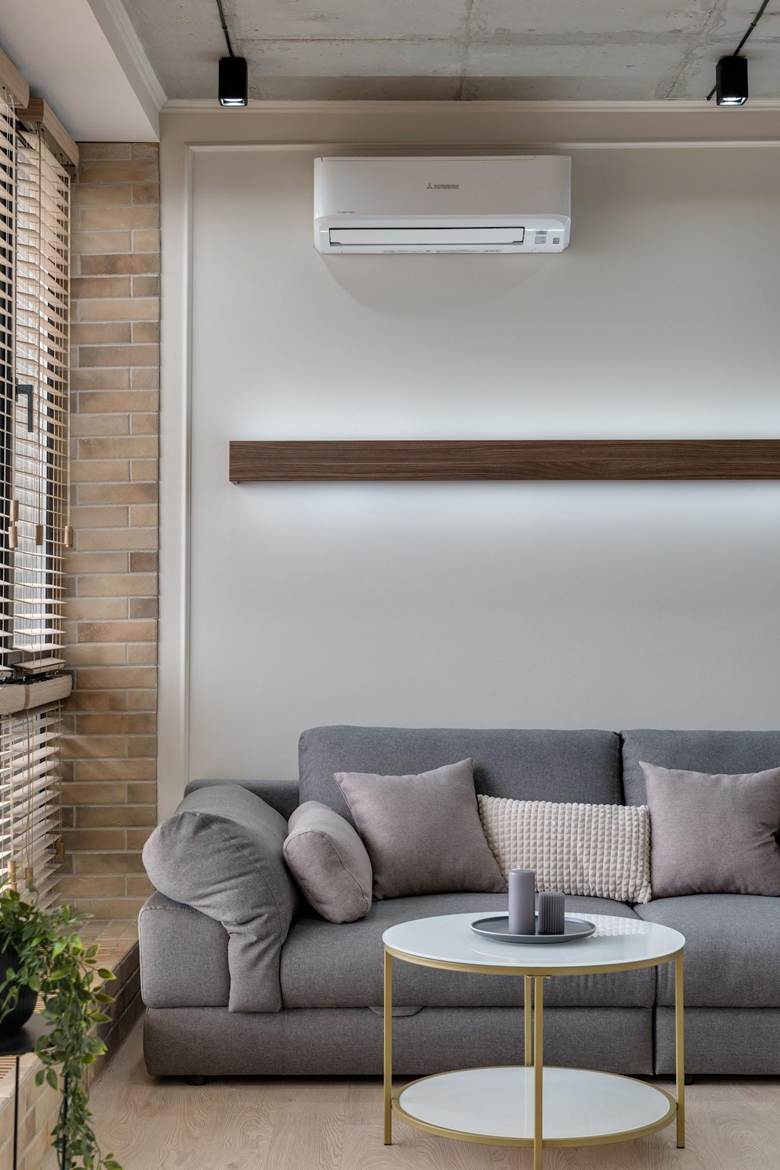
Most central air conditioners last 10 to 15 years. Older units struggle to maintain consistent temperatures across different rooms. Internal components experience normal wear that reduces overall operating capacity. Investing cash into an older setup often leads to frequent repair bills.
Upgrading older equipment offers access to modern engineering standards. New models operate with better efficiency ratings than systems built a decade ago.
Rising Energy Bills
Monthly utility bills provide a clear picture of equipment health. A sudden jump in energy costs indicates a drop in system efficiency. The machinery labors much harder to deliver the same cooling output. This extra strain pulls more electricity from the local grid.
Monthly cooling bills should remain predictable during typical summer weather. Homeowners often look into air conditioning installation when bills climb without explanation. Experienced technicians can evaluate the total power draw to confirm system decline. Modern high-efficiency systems can use 20-40% less electricity than units made 10-15 years ago. This reduction in power usage creates noticeable savings on monthly utility statements.
Frequent Expensive Repairs
Fixing minor issues belongs to regular home maintenance routines. Paying for multiple service calls in a single season points to systemic failure. Costs build up fast when technicians visit multiple times.
The Cost Calculation
Property owners can follow a simple rule for repair choices. Multiply the age of the unit by the repair estimate. If the total exceeds $5000, choosing a fresh system makes fiscal sense.
Component Breakdowns
Major internal parts represent a large financial investment. If your AC needs major components like a compressor or evaporator coil, replacement is often the smarter financial choice. These core parts require intensive labor to replace. New equipment includes a fresh factory warranty for peace of mind.
Outdated Refrigerant Types
Chemical regulations affect how older machinery receives service. Systems built before 2020 often rely on R-22 coolant material. This specific chemical faces strict environmental phase-outs across the country.
If your system uses R-22 refrigerant, which has been phased out due to environmental regulations, servicing and refilling it will become increasingly expensive. Sourcing this old coolant gets harder every season. A minor leak forces an expensive decision on the homeowner. Moving to a current chemical alternative requires modern equipment design.
Unusual Noises During Operation
Cooling systems make a gentle humming sound during a standard cycle. New or loud sounds point directly to mechanical failure. Internal parts loosen or break down after years of constant spinning.
- Clicking, screeching, grinding, rattling, or clanking are all indications of a problem with your air conditioner.
- Screeching often signals a failing blower motor belt or bearings.
- Grinding sounds mean the compressor pistons are wearing out.
- Rattling indicates loose panel screws or failing hardware mountings.
- Clanking happens when fan blades strike loose internal wires.
Ignoring these auditory warning signs can cause total system failure. A loose part can detach and ruin surrounding components in seconds.
Poor Indoor Air Quality
Cooling systems manage moisture levels and filter indoor dust particles. A failing system loses the ability to control indoor humidity. Rooms start to feel sticky or stuffy during humid afternoons. Mold can develop inside duct networks when moisture levels remain high.
Accumulated dust inside the main unit blows straight into living spaces. Family members might experience increased sneezing or scratchy throats. Regular filter changes fail to solve air quality issues when the main blower loses power. A fresh system maintains proper humidity levels and traps small airborne particles.
Inconsistent Airflow and Temperatures
Some rooms might feel like iceboxes while other areas remain warm. Weak airflow from supply vents points to a dying compressor mechanism. The system fails to distribute conditioned air evenly through floor plans.
Thermostats fail to regulate spaces when system sensors degrade. Short cycling happens when the unit turns on and off rapidly without completing a full cooling cycle. This behavior stops the home from reaching the target temperature setting. Short cycling places massive stress on electrical controls and starters.
Evaluating System Lifespan
System hardware naturally wears down after a decade of continuous service. Compressors lose their pumping power, and electrical switches develop high resistance over time. This internal decay forces the cooling mechanism to run longer to hit standard temperature targets. Homeowners often notice that components become unreliable once the equipment crosses its intended design age.
Maintaining older equipment creates an ongoing financial burden for property owners. Replacement parts for aging models become scarce and expensive as manufacturers shift production focus. Choosing a fresh installation provides immediate reliability and eliminates seasonal repair worries. Modern cooling setups protect property assets by delivering dependable climate control year after year.
Assessing Repair Frequency
A reliable climate control system should run smoothly without constant technician interventions. Needing multiple system service calls in a single summer indicates advanced component degradation. Minor part failures often trigger a domino effect that damages adjacent mechanical links. Homeowners face high seasonal expenses when tracking multiple repair bills and emergency fees.
Constant system breakdowns disrupt daily schedules and compromise indoor comfort during heatwaves. Financial resources spent on patching old components could fund a modern cooling upgrade. Investing in a brand new unit eliminates the anxiety of unexpected weekend system failures. Fresh hardware includes an expansive manufacturer's warranty that covers major components against future defects.
Analyzing Air Distribution
Inconsistent cooling across different household rooms indicates a failing system blower or compressor. Weak airflow fails to push conditioned air to distant corners or upper floors. Occupants often notice warm pockets and stagnant air in areas furthest from the central unit. This poor air movement points to a mechanical assembly that can no longer meet household demands.
Leaky or clogged ductwork can also restrict the path of conditioned air throughout a home. A weakened system lacks the push necessary to overcome small obstructions within ventilation channels. Upgrading to a modern system restores strong, balanced airflow to every room in the property. Balanced air delivery eliminates hot spots and maintains uniform comfort across the entire building.
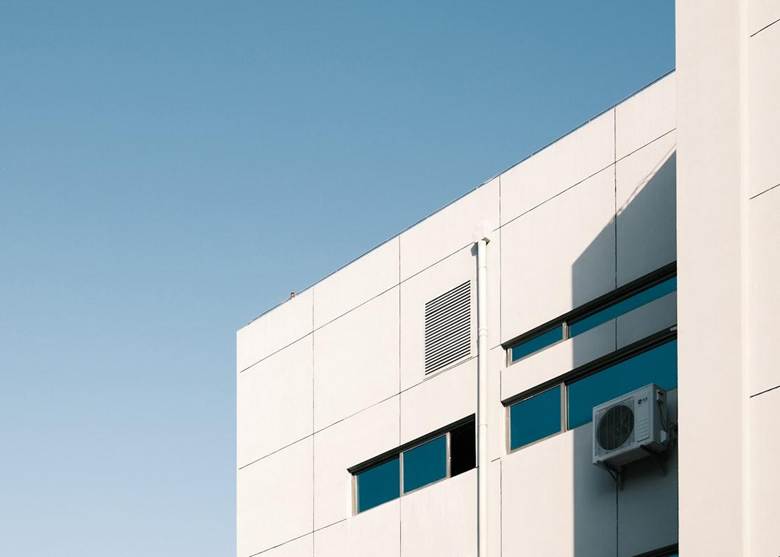
Investing in comfort upgrades removes the stress of summer system failures. Newer designs maximize airflow patterns while maintaining quiet operation. Homeowners notice immediate improvements in daily comfort and indoor air quality metrics. Reviewing these seven signs helps managers make smart choices regarding home infrastructure investments. Taking action before a total breakdown keeps indoor spaces safe and cool through the warmest seasons.





