



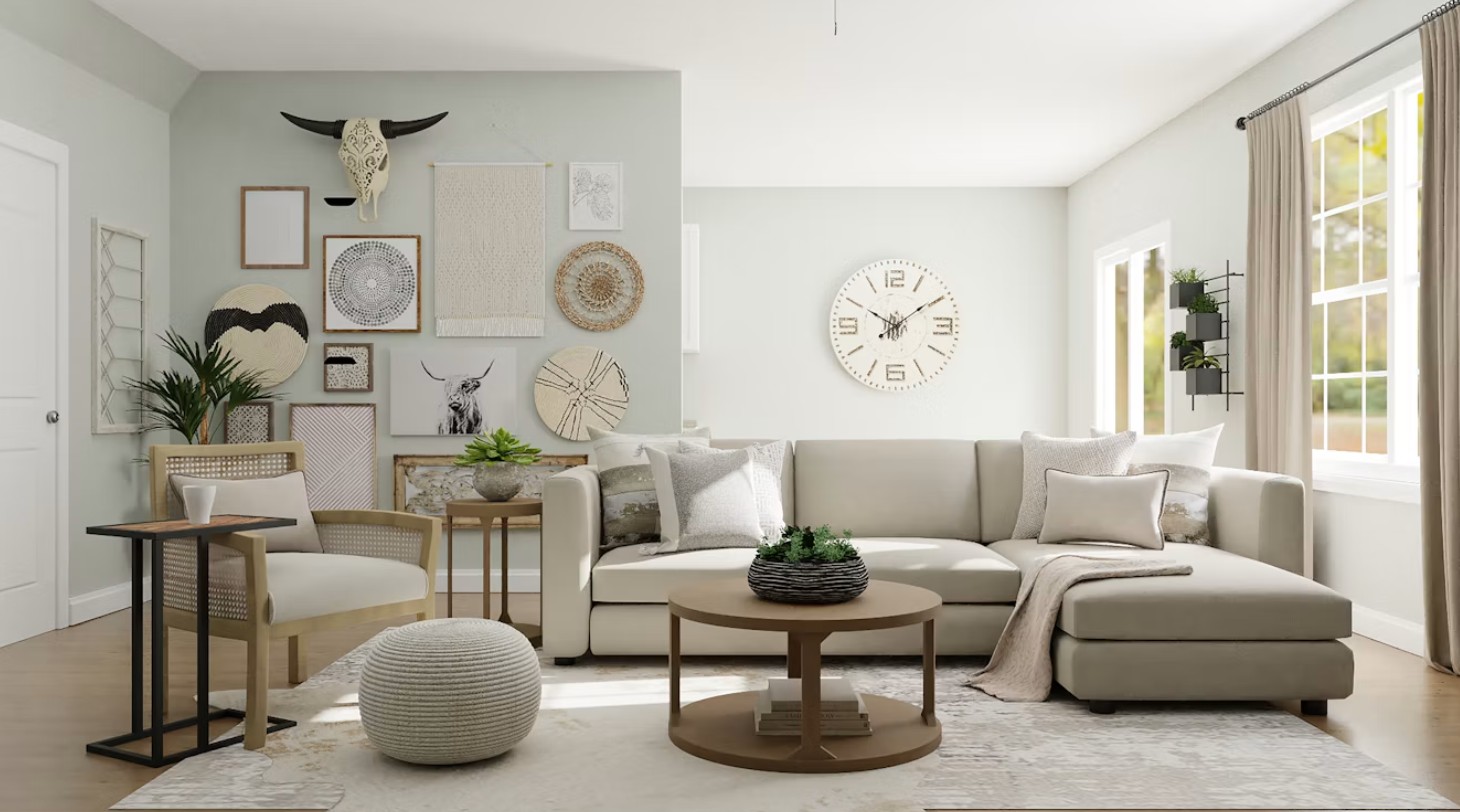
Design is not just about arranging objects in a pretty manner. Every well-designed space conveys a unique and personal story, with furniture playing a key role in its character and functionality.
In the US, personal consumption expenditures on furnishings and durable household equipment reached an estimated $504.1 million in 2025. The numbers had risen from $489.5 million in 2024. The increase in demand does not mean that it's all about choosing attractive pieces alone.
Custom furniture allows designers to tailor dimensions, materials, and finishes to a project’s needs. Still, the outcome depends on the manufacturer bringing the concept to life.
This article will explore how to source and evaluate manufacturing partners. It's a designer's definitive guide to sourcing custom furniture for ambitious interior projects.
Start With Your Project Requirements
Every successful furniture commission begins with a clear understanding of the space and its design goals. This level of preparation comes in handy as the project proceeds forward. Houzz Research’s Q2 2026 Industry Barometer found that the expected business activity indicator for interior designers rose from 61 in Q1 to 65 in Q2.
That highlighted stronger expectations for project inquiries and new commitments. So, before you approach a manufacturer, outline your essentials as follows:
- First, determine where the furniture will be used and how frequently. For instance, a hotel lobby chair will need more durable upholstery than a decorative accent chair in a private residence.
- Note down the required dimensions, preferred materials, and architectural constraints. Reference images and preliminary sketches help communicate your vision.
- Establish how many pieces you need and which features need to be made to order. This enables you to identify manufacturers with suitable production capabilities.
- Set a realistic spending range and target delivery date, allowing time for design revisions and shipping.
On that note, you don’t need to have every technical detail figured out before contacting a manufacturer. What you must do is have a clear demarcation between essential requirements and flexible preferences.
Look for Manufacturers with the Right Capabilities
After gaining a clear sense of your project, it's time to match your requirements with manufacturer capabilities. Ideally, the latter’s experience and production capabilities must match your needs.
Referrals from fellow designers, architects, and contractors are good places to begin. At the same time, trade shows, industry directories, and online portfolios can help you discover potential partners. Go through the completed projects to assess the manufacturer’s craftsmanship, material choices, and ability to handle commissions similar to yours.
This is important because different projects demand different manufacturing capabilities. For instance, hospitality design calls for furniture that balances aesthetics with durability and practical use. According to Grand View Research, the global hotel fixtures and furniture market was valued at $63.1 billion in 2025. It is projected to reach $107.9 billion by 2033.
For designers, knowing how to choose a furniture manufacturer for your hotel project means assessing whether a supplier can reproduce approved designs and meet durability needs. Such considerations also apply to other large-scale residential and commercial commissions.
Customization is all about choosing a manufacturer who understands how individual design choices work together. Before you shortlist manufacturers, evaluate these factors:
- Relevant experience, as in, completed projects that are similar in scale or style
- Customization capabilities to ensure the manufacturer can accommodate changes to dimensions and finishes
- Production capacity so your order requirements are never compromised
- Material expertise as evident from their ability to recommend suitable materials
- Communication, which can be observed through how well they explain their processes and answer questions
In case of projects involving several stages of design development and production, it is also worth understanding a manufacturer’s coordination process from initial concept to finished pieces. For example, Limn’s project-solutions approach brings design development, material selection, and fabrication into the project planning process.
This kind of coordinated approach helps designers align creative goals with practical requirements. Also, it's easier to maintain consistency as a project moves from its initial stages to completion.
Check Craftsmanship, Pricing, and Quality Controls
A manufacturer’s portfolio, as useful as it is, only showcases their design capabilities. The quality of the finished furniture boils down to the materials, construction, and attention to detail behind every piece.
So, it's important to examine samples or completed projects (if possible) to assess joinery, surface finishes, and upholstery. In Architectural Digest, interior designer Sarah Sherman Samuel described working directly with artisans to refine wood joinery and test finishes in person.
She stated, “We might be refining a solid wood joinery detail or adjusting proportions as something is being built.” Her experience shows the importance of reviewing craftsmanship and finishing with the progress of a project.
On that note, let's not forget the pricing, which deserves equal attention. A low initial quote may not include customization, packaging, shipping, or installation. You must request an estimate to compare manufacturers carefully and understand the full project cost.
Before finalizing things, do run a thorough check on how the manufacturer maintains quality throughout production. The following checks generally suffice in determining a potential project partner:
- Workmanship, which includes sturdy construction, secure joints, and even finishes
- Complete quotes, including materials grades, customization costs, and additional fees
- Quality controls, mainly regarding the frequency of inspections and how defects are addressed
- Expectations regarding approved materials and dimensions before production begins
Confirm the Timelines and Project Coordination Before Proceeding
Even a well-drafted furniture order can create problems if production or delivery falls behind schedule. Before you sign an agreement, discuss the timeline for design approvals, sample development, manufacturing, shipping, and installation.
It’s best to give some leeway for revisions or unexpected delays, especially when several pieces must arrive together. Early coordination almost always prevents problems before they affect delivery. Metropolis magazine reported that architects at its Arch30 San Francisco event emphasized the importance of involving manufacturers and other specialists long before designs are finalized.
The same thing applies to custom furniture, where discussing technical requirements and production constraints early can thwart delays. Clear communication is equally important when designers, manufacturers, contractors, and project managers are involved. Establish who approves specifications, who communicates changes, and how progress updates will be shared.
In a nutshell, you need to clarify the following details before confirming your order:
- Production milestones, including dates for drawings, samples, approvals, manufacturing, and delivery
- Approval responsibilities, such as who signs off on dimensions, materials, etc.
- Progress updates, primarily the frequency of progress reports
- Delivery and installation, from transport arrangements to site access and handling of damaged items
- Changes or delays and how these might affect costs and deadlines
FAQs
What should designers consider before commissioning custom furniture?
Designers need to define the furniture’s intended use, its dimensions, materials, budget, and even the delivery timeline. Clear requirements enable manufacturers to assess feasibility and recommend suitable options.
How can designers assess a furniture manufacturer’s quality and reliability?
Start by reviewing previous projects and samples. Then, ask for an itemized quote. Also, inquire about production capacity, defect resolution, and references to determine whether the manufacturer can meet your project requirements.
How to prevent delays while sourcing custom furniture?
That's only possible when you agree on production milestones, progress updates, and delivery arrangements before manufacturing begins. Document specifications and stay in touch with manufacturers and other project stakeholders.
Custom Furniture Sourcing Checklist
What to Evaluate | What to Look For |
Manufacturer capabilities | Clear dimensions, intended use, quantities, and design priorities |
Craftsmanship and materials | Relevant experience, customization options, and production capacity |
Pricing and quality controls | Quality joinery, durable materials, and consistent finishes |
Timelines and coordination | Itemized costs, inspection procedures, and defect resolution policies |
Delivery and installation | Confirmed delivery dates, site access, and arrangements for damaged or incomplete items |
It’s natural for furniture sourcing to influence resource allocation and spatial usage when project budgets are under pressure. The American Institute of Architects recently recorded a score of 47.2 (below the 50-point threshold), which indicates growth in architecture firm billings.
The report also found that only 25% of the surveyed firm leaders expected billings to increase in the fourth quarter. On a more somber note, 29% even expected a steady decline. Well, these figures belong to architecture firms, but they point to a challenging project environment in which cost control matters.
Your opportunity as a designer is to treat furniture sourcing as an early project decision. Apply the strategies this article has discussed and ensure every project stays on course.