



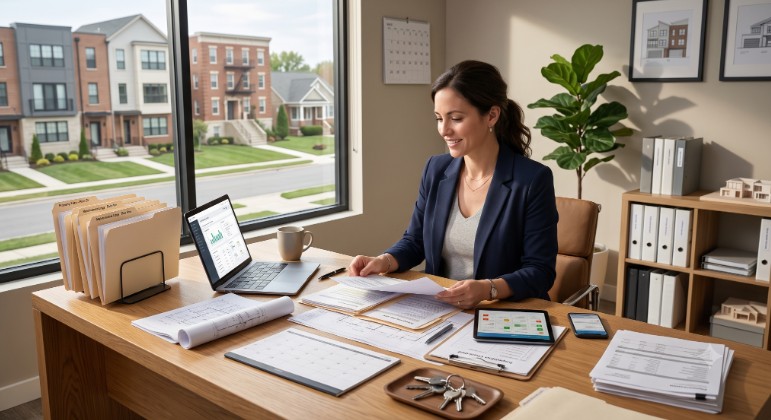
You may find managing a property and having more than one rental rewarding, but it comes with responsibilities that are rapidly growing. Coordinating maintenance requests and expense tracking as well as communication with tenants or planning future improvements occupies landlords in dozens of ways every day. Get overwhelmed without having a clear system.
Luckily for us, getting on the successful property management cliff isn't so much about working harder but rather working smarter. Recognized systems, preventive maintenance, and proportional enhancement can alleviate the pressure on property managers whilst safeguarding their valuables. So here's a tangible method to simplify the management of multiple properties.
Centralized Property Management Solution
Organization is the backbone of good property management. Instead of having documents, receipts, and maintenance records garbled across emails and stacked in filing cabinets for each property, consolidate everything into one place.
Important records should include:
Lease agreements
Inspection reports
Maintenance history
Appliance warranties
Utility information
Contractor contacts
Expense records
With the advent of digital storage and cloud document management systems, getting information on demand gets increasingly easier. Well-kept records also make tax preparation easier and help with future property valuations.
Create Standard Operating Procedures
It is one thing to manage a single property manually but it requires consistency when managing multiple properties. Creating SOPs clears up any ambiguity and reins tasks in such a way that they will be accomplished identically each time.
Useful procedures include:
Move-in inspections
Move-out checklists
Tenant communication guidelines
Maintenance request handling
Emergency response protocols
Vendor scheduling
Fewer mistakes are made and less time is taken deciding, as every routine follows a recorded process.
Prioritize Preventive Maintenance
The most common mistake that property owners do is to wait until something goes wrong before trying to fix bathroom renovation. Preventive maintenance helps to avoid expenses of costly repairs, and lower tenant complaints.
Regular inspections should include:
Plumbing fixtures
Water heaters
HVAC systems
Roofing
Electrical systems
Bathroom ventilation
Tub and shower caulking
Moisture is one of the most common causes of costly damage to property. Regularly inspecting bathrooms for leaks, signs of mold, and failing seals can avoid larger renovations down the road.
Schedule Property Inspections Strategically
Routine inspections consider how to identify these small issues before they become expensive overdue.
The inspection plan once in a year can be like this:
Spring exterior inspection
Summer HVAC review
Fall plumbing inspection
Winter weatherproofing assessment
Photographing during the inspection also provides documentation that may be helpful if there are disputes later.
Regular inspections enable landlords to gain greater insight into the condition of each property, helping them understand which properties will need attention and when, therefore informing maintenance budgets.
Simplify Maintenance Coordination
One thing that takes the most time in a landlord's career is maintenance. Stop looking for contractors each and every time there is an issue, create relationships with good people ahead of time.
Keep a wish list with:
Plumbers
Electricians
HVAC technicians
Roofers
Painters
Flooring specialists
General repair professionals
For larger enhancement projects, some property owners partner with specialists acquainted in general contractor Wylie TX services when preparing wider residential or commercial property upgrades, while others search for masters of washroom restorations to update dated bathrooms utilizing long-lasting, low-maintenance materials that decrease the need for future repairs.
Identifying trusted professionals in advance expedites emergency responses and avoids delaying projects.
Focus on High-Impact Renovations
And not every renovation creates an equivalent long-term value. After all, most smart property owners are looking for upgrades that minimize maintenance costs and enhance tenant satisfaction.
Examples include:
Installing water-efficient fixtures
Upgrading flooring from damaged to resilient materials
Improving bathroom ventilation
Upgrading lighting
Installing easy-to-clean surfaces
Replacing outdated plumbing fixtures
Quality materials, especially those used in the context of modern bathrooms need less repair (and too many fittings made from poor quality brass corrode soon after installation). The more durable your finishes today, the less you would spend on maintenance over the years.
Manage Your Time Efficiently
As a property portfolio increases this applies more to time management.
Helpful strategies include:
Geo-spatial grouping of inspections
Schedule service appointments on certain days
Save administrative tasks for office hours
Automating rent reminders and repeating calendar events
Monthly review of financial reports עצמאי instead of daily.
Next, grouping together similar tasks saves travel time and enhances productivity throughout the workweek.
Keep Tenant Communication Organized
Clear communication helps to keep misunderstandings at bay and nurture longer relationships between tenants.
Best practices include:
Responsive to repair request
Maintain written notes of conversations
Use consistent communication methods
Give clear timelines for repairs
Inform tenants of inspections days in advance
Having a structured communication process enhances professionalism whilst with limited follow-up messages.
Monitor Property Performance Regularly
Good landlords regularly review the performance of each property.
Metrics worth tracking include:
Maintenance expenses
Vacancy rates
Repair frequency
Utility costs
Tenant turnover
Capital improvement budgets
This information is reviewed as it occurs quarterly and used to pick out trends, allowing landlords time to plan improvements before issues continue.
Prevent Burnout
The fact remains that managing multiple properties is a marathon, not a sprint so you need to care for your personal sustainability as much as your financial success.
Avoid burnout by:
Delegating specialized work
Planning maintenance proactively
Using digital management tools
Forming relationships with suppliers you know you can trust
Managing realistic expectations on response times
Investing in better quality renovations often means fewer repeating maintenance issues to manage down the line, and that is something many seasoned property owners come to realise too.
For instance, as landlords explore options for remodeling services for shorter durability and lower maintenance, some will compare information from VIP Services Remodeling or other informational resources on cultivating practical bathroom factors that can lend themselves to less property upkeep with the passage of time.
Common Mistakes to Avoid
Now, even the most seasoned renters can run into problems that really need not have occurred.
Let's take a look at some of the most common mistakes:
Ignoring preventive maintenance
Delaying small repairs
Poor documentation
Use cheap materials that die easily
Not making inspections a habit
Attempting to fix every repair themselves
Addressing these issues beforehand can be a huge money and time saver, and it will improve tenant satisfaction.
Final Thoughts
It can be overwhelming managing multiple properties. Success should yield organized systems, repeatable processes and maintenance that can be done proactively. Regular inspections, well-placed renovations, dependable contractors and effective communication all help keep the house running efficiently.
If landlords start thinking about long-term property preservation rather than emergency management, they can alleviate stress and work more efficiently while knowing their investments are protected for years.