



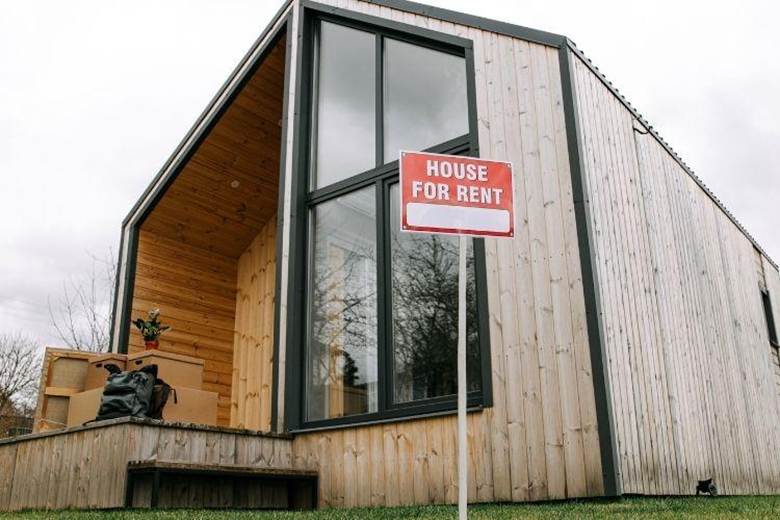
Renting a home often comes with limitations. When it’s strict lease agreements, tight budgets, or temporary living arrangements, many renters assume they have to settle for bland interiors and generic décor. Fortunately, transforming a rental space doesn’t require major renovations or expensive upgrades. Small, affordable changes can dramatically improve comfort, functionality, and style without risking a security deposit.
For landlords, thoughtful interior improvements can also help make properties more appealing to prospective tenants. In a competitive rental market, well-presented interiors can increase interest, reduce vacancy periods, and encourage tenants to stay longer.
Here are some affordable interior updates that can instantly refresh any rental space while remaining practical for both renters and property owners.
Upgrade Window Treatments for an Instant Refresh
One of the quickest ways to change the atmosphere of a room is by updating the window treatments. Standard rental blinds can often feel cold or outdated, while the right curtains can soften the space, improve privacy, and add warmth.
Adding layered fabrics or textured curtains can make a room feel more polished without requiring permanent changes. Neutral shades work well for creating a calm, versatile look, while patterned designs can introduce personality into otherwise plain spaces. Versatile options such as Terrys curtain collection offer affordable ways to elevate living rooms and bedrooms without undertaking major decorating projects.
Use Lighting to Create a More Inviting Space
Lighting impacts how the property feels. Unfortunately, many rentals rely on harsh overhead lighting that can make rooms appear sterile or smaller than they really are.
Affordable lighting upgrades can completely change the mood of a space. Floor lamps, table lamps, LED strip lighting, and battery-powered wall sconces allow renters to create softer, layered lighting without rewiring fixtures.
Warm white bulbs typically create a more welcoming environment than cool-toned lighting. Positioning lamps in darker corners can also make small rooms feel larger and more balanced.
For landlords furnishing rental units, adding simple lighting features can help create a more attractive listing photoshoot while improving the overall tenant experience.
Add Removable Wallpaper or Wall Décor
Paint restrictions are common in rental agreements, but removable wallpaper has become an increasingly popular alternative for renters who want to personalize their space.
Peel-and-stick wallpaper allows tenants to add color, texture, or patterns without damaging walls. Accent walls behind beds, dining areas, or home office spaces can create visual interest while remaining easy to remove when moving out.
For renters who prefer a simpler approach, framed prints, mirrors, or fabric wall hangings can add personality without permanent alterations. Mirrors are especially useful in smaller apartments because they reflect light and help spaces feel more open.
Command strips and removable hooks make it possible to hang décor securely while minimizing wall damage.
Refresh the Space With Soft Furnishings
Soft furnishings are one of the most cost-effective ways to update a rental property. Cushions, throws, rugs, and bedding can instantly make a room feel more comfortable and cohesive.
Area rugs are particularly useful in rentals with older flooring or neutral carpeting. They help define spaces in open-plan apartments and can reduce noise in upstairs units. Layering textures through fabrics also makes interiors feel more thoughtfully designed.
Landlords furnishing short-term rentals can also benefit from carefully selected soft furnishings, as comfortable interiors often contribute to better guest reviews and repeat bookings.
Improve Storage Without Renovating
Limited storage is one of the biggest complaints among renters. However, affordable storage solutions can significantly improve organization and make smaller spaces feel less cluttered.
Freestanding shelving units, under-bed storage boxes, over-the-door organizers, and storage ottomans provide extra functionality without requiring built-in installations. Multi-functional furniture is especially valuable in studio apartments or smaller homes where space is limited.
Vertical storage can also maximize unused wall space. Tall bookcases or hanging organizers help keep belongings tidy while maintaining floor space.
A well-organized rental property tends to feel larger, cleaner, and more relaxing overall.
Introduce Indoor Plants for a Lived-In Feel
Indoor plants are an inexpensive way to make any rental feel more welcoming. Even a few small plants can add color, texture, and life to neutral interiors.
Low-maintenance options such as pothos, snake plants, and peace lilies are ideal for beginners or busy tenants. Hanging planters and compact shelving displays can also maximize greenery in smaller apartments.
For landlords staging rental properties, adding plants to listing photos can help spaces appear brighter and more inviting.
Update Hardware and Small Fixtures
Small details can have a surprisingly large impact on the overall appearance of a rental property. Swapping outdated cabinet handles, drawer pulls, or shower curtains can modernize kitchens and bathrooms at a relatively low cost.
Many renters choose temporary upgrades that can easily be reversed before moving out. Adhesive backsplash tiles, faucet covers, and peel-and-stick floor tiles are increasingly popular because they allow for cosmetic improvements without permanent changes.
Landlords looking for budget-friendly upgrades may also benefit from replacing dated hardware between tenants, as these small updates can make properties feel newer without extensive remodeling.
Create Defined Spaces in Open-Plan Rentals
Many modern apartments feature open-plan layouts, which can sometimes feel difficult to organize. Creating clearly defined areas can make a rental feel more functional and comfortable.
Bookshelves, rugs, folding screens, or furniture placement can help separate living, dining, and working areas without structural changes. This has become especially important as more renters work remotely and need practical home office setups.
Even in smaller spaces, thoughtful zoning can improve daily living and make interiors feel more intentional.
Focus on Comfort and Practicality
While aesthetics matter, comfort remains one of the most important aspects of any home. Affordable updates should ultimately improve how a space feels and functions day to day.
Blackout curtains can improve sleep quality, ergonomic chairs can support remote work, and layered textiles can make living spaces more relaxing. Practical improvements often provide the best long-term value because they directly enhance everyday life.
For landlords, prioritizing comfort can also contribute to tenant satisfaction and longer occupancy periods.
Conclusion
Transforming a rental space doesn’t require expensive renovations or permanent alterations. Simple updates such as improved lighting, stylish soft furnishings, removable décor, and better storage solutions can dramatically improve both appearance and functionality.
For renters, these affordable changes make it easier to create a home that feels personal and comfortable while staying within lease restrictions. For landlords, thoughtful interior improvements can help rental properties stand out in a crowded market and create a better overall tenant experience.
References
Apartment Therapy. (n.d.). Rental decorating ideas.
Better Homes & Gardens. (n.d.). Budget decorating tips.
National Aeronautics and Space Administration. (1993). Interior landscape plants for indoor air pollution abatement. NASA.
U.S. Department of Energy. (n.d.). Window coverings. Energy Saver.