



Small, steady care can save you from big surprises. Homes rarely fail all at once - tiny issues build up quietly until they become expensive. A seasonal rhythm makes upkeep easier, keeps you focused, and spreads costs through the year. Think of it like routine car service: short, simple tasks that keep everything running smoothly.
Spring Reset
Spring is the moment to undo winter’s wear and set the tone for the year. Start outside as soon as the snow and ice are gone. Walk the property, noting anything loose, cracked, or leaning. A quick loop with a notepad or phone photos turns vague “I should fix that” into a real plan.
Check siding, trim, and paint for peeling or gaps. Caulk where you see hairline cracks or where different materials meet. Test exterior outlets and hose bibs, and look for slow drips after you open the water supply. Replace torn window screens so you can ventilate without inviting pests.
Roof Care Essentials
Your roof is the home’s weather shield, and it quietly handles sun, wind, and sudden downpours. If you spot curling shingles, nail pops, or piles of grit in downspouts, look into AMW Roofing & Construction and similar companies to get an experienced set of eyes on the problem, because regional crews understand local storm patterns and materials. Schedule roof checks after major wind events and again in the fall, and keep an eye on flashings around chimneys and skylights.
From the ground, use binoculars to scan for dark patches that suggest missing granules. Inside, inspect the attic on a sunny day for pinhole light or dark stains on sheathing. Ventilation matters - heat buildup can cook shingles from below, while moisture invites mold. Clear roof valleys of sticks and leaves to prevent water from backing up.
Gutters And Drainage
Gutters quietly steer thousands of gallons away from your foundation. When they clog, water spills over eaves, stains siding, and saturates the soil near your basement. A lifestyle magazine pointed out that most homes need gutter cleaning once or twice a year, with four or more cleanings if tall trees ring the house. That guidance gives you a simple cadence to follow without guesswork.
Set your ladder safely, or use a cleaning wand from the ground if your slopes are steep. While you are there, check that hangers are tight and that seams are sealed. Downspouts should discharge at least 4 to 6 feet from the foundation - use splash blocks or add extensions. If you see mulch washing away near corners, you likely need better drainage angles or an extra downspout.
HVAC Basics
Air movement and temperature control are the heart of comfort. A national efficiency program notes that nearly half of a typical home’s energy goes to heating and cooling, which means small improvements can have big payoffs. Swap filters every 1 to 3 months, or more often if you have pets or allergies.
Clear 2 feet around outdoor units and brush off coils with a soft brush. Inside, vacuum supply and return grilles to reduce dust and strain on the blower. Use a programmable or smart thermostat to avoid heating or cooling an empty house. If rooms feel uneven, close large gaps around doors and add weatherstripping before you blame the system.
Water Systems And Leak Prevention
Water damage starts small - a steady drip, a damp cabinet base, or a faint stain on the ceiling. An environmental program reported that household leaks can waste nearly 10,000 gallons per year, which is also 10,000 gallons that can end up where it should not. The cheapest fix is a fast fix: tighten supply line connections gently and replace worn washers on shutoff valves.
Open the cabinets under sinks and trace each line with a dry finger while the faucet runs. Check the toilet by putting a few drops of food coloring in the tank; if color shows up in the bowl after 10 minutes, replace the flapper. Inspect the water heater pan for rust flecks or moisture, and test the temperature and pressure relief valve. If you have a basement, run a dehumidifier in humid months to keep relative humidity near 50 percent.
Summer Focus
Summer brings thermal stress, UV exposure, and sudden downpours. Wash exterior windows and note any fogging between panes, which signals a failed seal. Repaint sun-beaten trim before wood splits. If you live in a storm belt, secure outdoor furniture, prune dead limbs, and verify that sump pumps work by pouring water into the pit and watching the float rise.
Seal driveway cracks before the heat and traffic widen them. Lubricate garage door rollers and tighten hinge screws. Clean ceiling fan blades and reverse their direction to blow downward for cooling. Inspect fences for loose posts that could topple in the wind, and tighten gate hardware to avoid sagging.
Fall Tune-Up
Fall is the time to button up the envelope and prepare for long heating cycles. Clean gutters again after leaf drop so ice dams are less likely. Replace cracked storm window glazing and add door sweeps to block drafts. Inspect weatherstripping and compress it with the door or window closed - if you can slide a sheet of paper through easily, the seal is weak.
Have chimneys inspected and cleaned if you burn wood. Test smoke and carbon monoxide detectors, and change batteries on a set schedule. Walk the attic and verify that insulation is not blocking soffit vents. Bag leaves promptly so they do not smother grass roots or clog drains ahead of winter rains.
Winter Watch
Cold snaps concentrate risk in just a few hours. Set faucets on exterior walls to a slow drip during deep freezes to keep water moving. Open sink cabinet doors to let warm air circulate around pipes. Wrap exposed lines in foam sleeves and add heat tape in problem areas.
Keep walkways clear with gentle, noncorrosive ice melt to protect concrete and pets. Knock heavy snow off shrubs with a broom to prevent splitting. If ice dams form, use a roof rake from the ground to reduce the snow load along eaves. Keep garage doors closed to avoid chilling rooms above or adjacent to the garage.
Small Jobs That Prevent Big Repairs
- Tighten handrail and stair fasteners before the wobble tears out anchors.
- Replace toilet supply lines with braided stainless versions.
- Recaulk tub and shower joints so moisture cannot creep into walls.
- Test GFCI outlets with the built-in button and replace any that fail.
- Touch up exposed nail heads on exterior trim with rust-inhibiting paint.
- Vacuum refrigerator coils to improve efficiency and compressor life.
- Inspect dryer vents and shorten flexible duct runs where possible.
Dryer Vent And Fire Safety
Clothes dryers move a surprising amount of lint, and lint is highly combustible. Clean the lint screen after every load and pull the dryer away from the wall twice a year to vacuum the duct connection. A short, straight, rigid-metal vent path reduces lint buildup and drying time.
Outside, make sure the vent hood flap opens freely when the dryer runs. If drying cycles suddenly take much longer, the vent is probably restricted. Keep storage clear around the dryer so stray lint does not collect near ignition sources. This is also a good moment to check fire extinguishers and verify that everyone in the home knows where they are.
Windows, Doors, And Weatherstripping
Air leaks are sneaky - they cost comfort and money but often hide in plain sight. On a windy day, hold a smoke pencil or a stick of incense near door frames and watch for sideways movement. Add or replace weatherstripping tapes and door sweeps where you notice leaks.
Adjust strike plates so doors latch snugly, and tighten hinge screws that loosen over time. For windows, lock them after closing so the sashes pull tight against the seals. Use rope caulk on drafty sashes as a seasonal fix, then plan a permanent repair when the weather is mild.
Attics And Insulation
An attic tells the story of a house. Look for matted insulation under roof vents, which signals condensation or small leaks. Insulation should be even, fluffy, and continuous without gaps at the edges. If you can see the tops of joists clearly, you probably need more.
Ensure baffles at the eaves keep insulation from blocking soffit ventilation. Seal big air leaks before adding insulation - focus on openings around plumbing stacks, electrical penetrations, and the attic hatch. A tight attic plus good ventilation helps shingles last longer and reduces ice dam risk.
Basements, Crawl Spaces, And Foundation Health
Moisture control below the living areas protects framing and air quality. Grade the soil so it slopes away from the house at least 6 inches over 10 feet. In crawl spaces, use a ground vapor barrier and make sure vents are not blocked by debris. Insulate rim joists and seal gaps where pests can enter.
Watch for hairline foundation cracks and map them with a pencil. If a crack grows longer or wider over months, take photos with dates and consult a professional. Run a dehumidifier during humid seasons to keep relative humidity near 50 percent, which discourages mold and musty odors.
Kitchens And Baths
These rooms use the most water and have the most fixtures. Check under sinks for verdigris on copper fittings or white crust on valves - both hint at slow leaks. Reseat sink drains that wiggle and refresh caulk around counters and backsplashes.
In showers, look for loose tiles or spongy grout lines. Regrout small areas before water reaches the backer board. Replace cracked toilet wax rings if you smell sewage or see dark stains around the base. Use exhaust fans during and after showers to vent humidity, and clean fan grills to maintain airflow.
Electrical And Lighting
Loose connections cause heat and flicker. Gently tighten outlet and switch plate screws. If an outlet runs warm without a heavy load, replace it and consider a licensed electrician to check the circuit. Label your breaker panel clearly and update labels when you change circuits.
Swap burned bulbs for LEDs to reduce heat in enclosed fixtures. Clean glass shades and reflectors to regain lost brightness. In garages and workshops, add motion sensors so lights are used only when needed. Exterior fixtures should be sealed against insects and moisture.
Landscaping That Protects The House
Thoughtful landscaping keeps water and pests at bay. Keep mulch levels 2 to 3 inches below siding to prevent rot and ant nests. Create shallow swales or dry creek beds to guide stormwater away from low spots. Use drip irrigation rather than sprinklers near walls to reduce overspray and efflorescence.
Plant new trees with mature size in mind, keeping roots clear of foundations and sewer laterals. Trim branches that overhang the roof so wind will not rake shingles. In wildfire-prone areas, maintain a defensible space with low vegetation and clean, nonflammable borders.
Tools Worth Keeping Handy
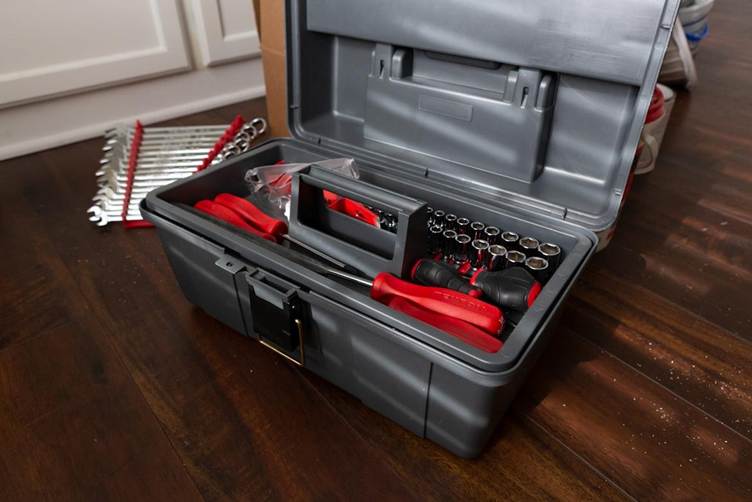
- 6-foot fiberglass ladder for safe indoor and low exterior work.
- GFCI tester, noncontact voltage tester, and a basic multimeter.
- Caulk gun with paintable exterior-grade sealant.
- Rigid dryer vent brush kit and a vacuum with a hose.
- Binoculars for roof and ridge inspections from the ground.
- Utility pump and hose for clearing window wells or flooded areas.
- Infrared thermometer for spotting hot or cold trouble zones.
A Simple Seasonal Calendar
January to March: Check the attic for ice dam staining, run a dehumidifier if indoor humidity climbs, and test GFCI outlets. Vacuum return grilles and replace filters. Keep salt or sand near entries and protect floors with washable mats.
April to June: Clean gutters after spring pollen and seed drop, wash windows, and touch up exterior paint. Test sump pumps with water, not just the test button. Prune dead limbs and secure fasteners on fences and gates.
July to September: Inspect caulk and weatherstripping after heat expansion. Service lawn equipment and store fuel safely. Reseal driveways and repair settling pavers that trip ankles and channel water toward the house.
October to December: Clean gutters after leaves fall, schedule chimney and furnace service, and add door sweeps. Wrap exterior pipes, check the attic for even insulation, and stage snow tools where you can reach them fast.

Homes reward attention, not perfection. A few hours spread across the year will keep water out, air moving, and systems humming. When you catch small problems early, you protect your time and your budget. The goal is a house that feels easy to live in - one you maintain by habit rather than by emergency.