



A single unexpected repair can wipe out months of profit from a rental property. For landlords, the difference between a profitable investment and a financial drain often comes down to managing and mitigating emergencies before they happen. Proactive maintenance and a solid response plan aren't just good ideas; they're essential for protecting your bottom line and your reputation.
This guide will walk you through identifying potential crises, taking preventative action, and handling emergencies effectively when they do occur.
Common Rental Property Crises
Every property owner dreads the late-night call about a major issue. The most common and costly emergencies often fall into a few key categories. Plumbing failures, like burst pipes or overflowing toilets, can cause extensive water damage to floors, ceilings, and personal property. HVAC systems that fail during extreme weather not only make tenants uncomfortable but can also lead to legal obligations for prompt repair.
Electrical problems, from faulty wiring to complete outages, pose significant safety risks. Finally, pest infestations can quickly escalate from a minor nuisance to a major health concern that's expensive to remediate. Knowing these common threats is the first step toward preventing them.
Spotting Early Warning Signals
The best way to handle an emergency is to prevent it from happening in the first place. Regular property inspections, both by you and with feedback from your tenants, are your first line of defense. Train yourself to spot the subtle signs of trouble: a small water stain on the ceiling, a flickering light, or a musty smell under a sink. These aren't minor inconveniences; they're warnings.
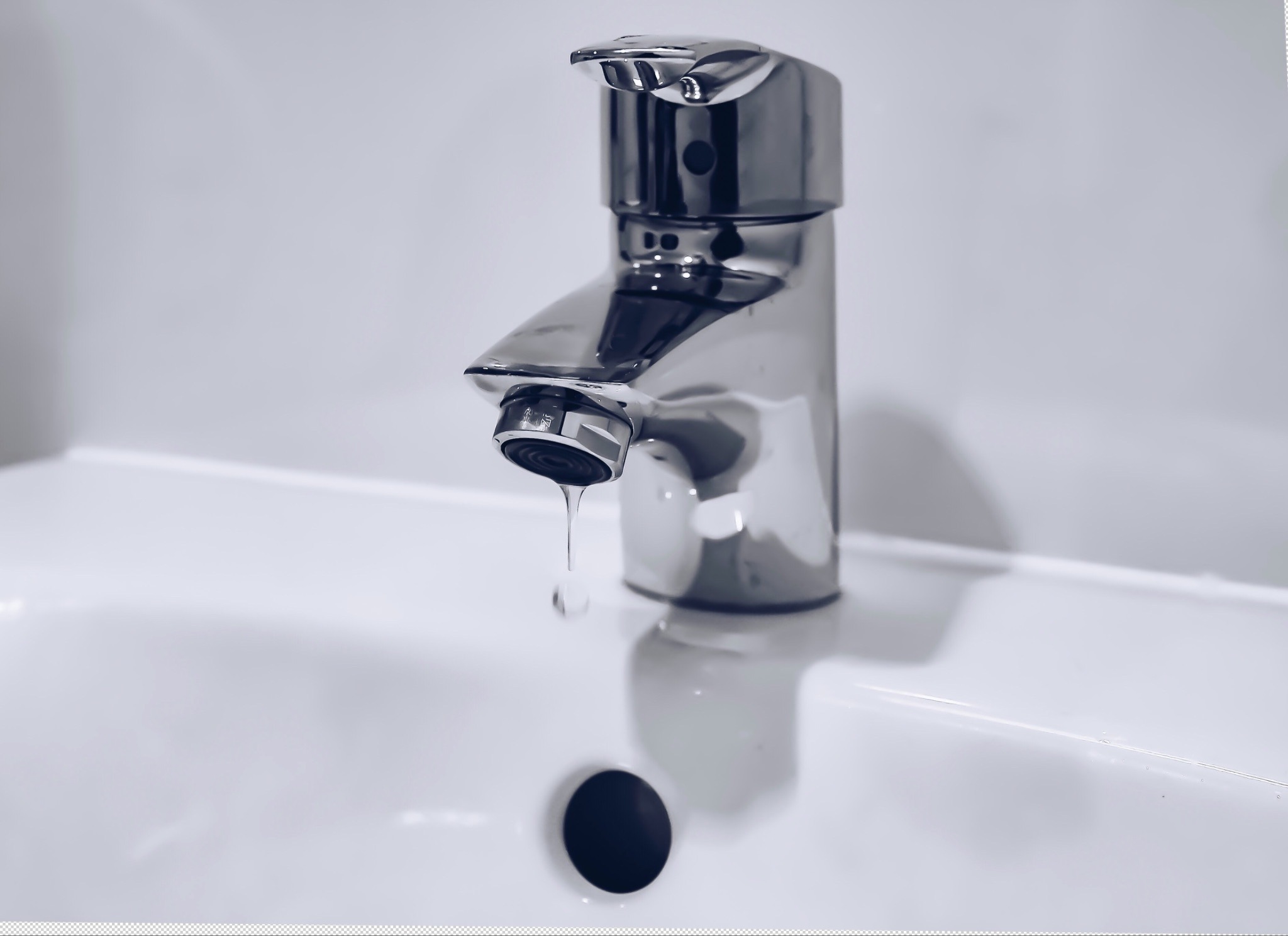
Creating a schedule for routine checks of plumbing, electrical systems, appliances, and even quality rental windows can save thousands. The financial difference between preventative maintenance and emergency repairs is significant. Encourage tenants to report small issues immediately, assuring them that early reporting helps keep the property safe and functional for everyone. A dripping faucet is much easier and cheaper to fix than a flooded bathroom.
When Your Water Heater Fails
Among appliance failures, a broken water heater is one of the most disruptive and potentially damaging. It can fail suddenly, leaving tenants without hot water and you with a potential flood. The typical lifespan of a residential water heater is about 8 to 12 years. If you don't know the age of the unit in your rental, you're managing a risk you can't see.
Look for signs of aging, such as rust-colored water, strange rumbling noises from the tank, or small leaks around the base. A proactive replacement is always cheaper than an emergency one. If you're unsure how old a unit is, you can often determine its manufacturing date from the serial number. Finding the Bradford White water heater age, for example, is a straightforward process that can inform your replacement schedule and help you avoid a catastrophic failure.
Creating an Emergency Plan
When a crisis does strike, having a plan turns panic into productive action. Your emergency plan should be a simple document that outlines clear steps for handling common problems. The most important component is a list of trusted, pre-vetted vendors. You should have the contact information for a reliable 24/7 plumber, an electrician, and an HVAC technician before you need them.
Your plan should also include logistical details. Have a secure system for storing keys or a key code that allows vendors emergency access if you can't be there. Set aside a dedicated emergency fund to cover unexpected repair costs without disrupting your personal finances or other business operations. Knowing you have the resources and contacts ready will allow you to respond swiftly and professionally.
Tenant Communication During Crises
How you communicate with your tenants during an emergency is just as important as how you fix the problem. Clear, calm, and prompt communication can maintain a positive landlord-tenant relationship even in a stressful situation. As soon as you're aware of an issue, contact your tenant to acknowledge the problem and give them an estimated timeline for the response.
Provide regular updates, even if it's just to say you're still waiting for a vendor to arrive. This reassures them that you're actively working on a solution. It's also important to understand your legal responsibilities. During widespread emergencies like natural disasters, it's critical that landlords avoid price gouging or taking advantage of the situation. Honesty and empathy go a long way in turning a property crisis into an opportunity to build trust.
Ultimately, successful property management is about being prepared. Anticipating problems and having a clear plan helps you protect your investment and ensure your rental property remains a source of income, not stress.