



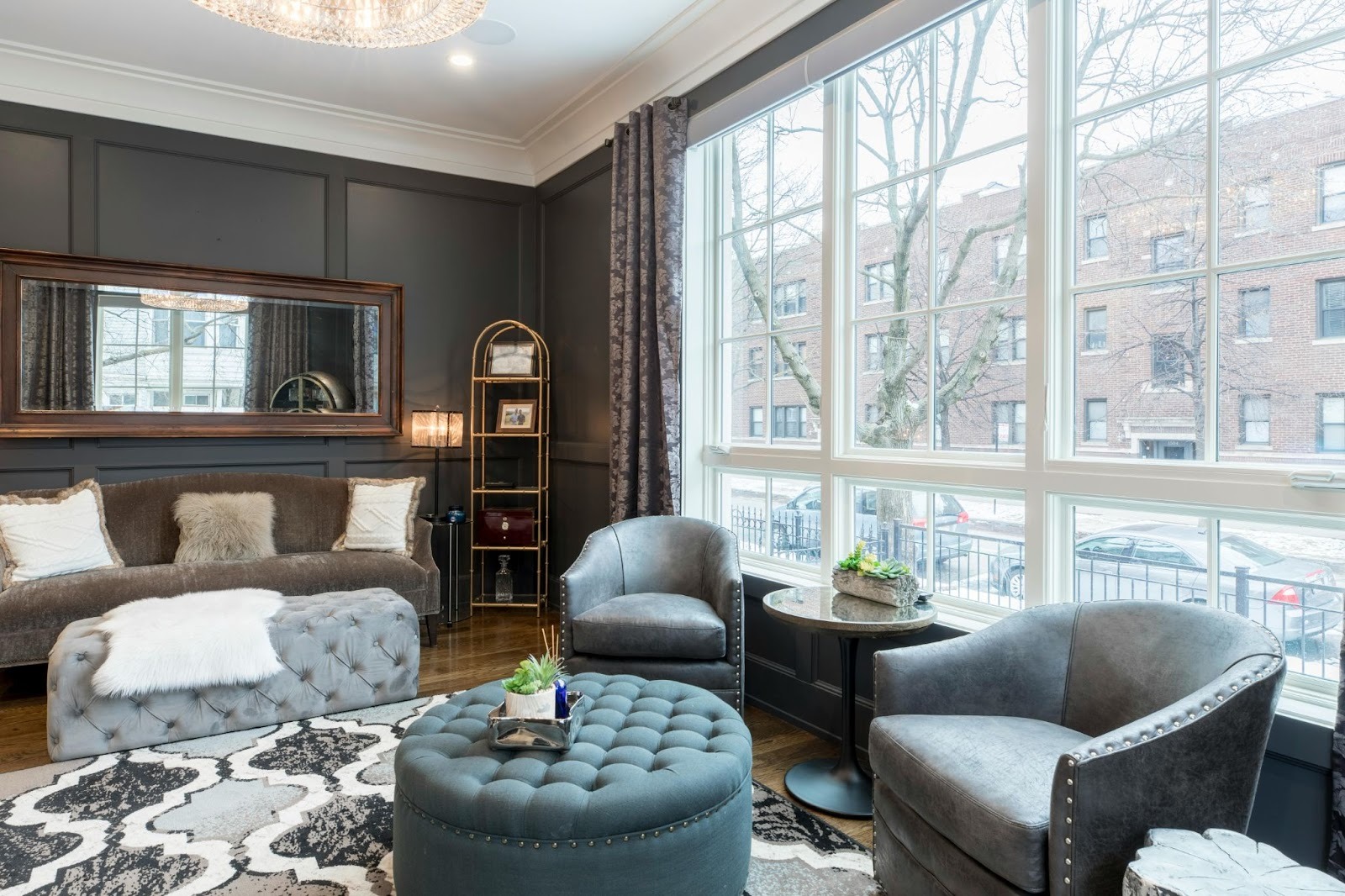
Long-term rentals require a disciplined furnishing strategy. Furniture in these properties must withstand daily use by people who do not own it, survive multiple move-ins and move-outs, tolerate strong cleaning products, and remain visually acceptable for years. Unlike staging for a sale, long-term rental furnishing is not about visual impact alone. It is about durability, maintenance efficiency, tenant satisfaction, and cost control over time.
This guide breaks the topic into seven core areas. Each section addresses structural performance, material choice, operational practicality, and financial reasoning. The focus stays on furniture that supports stable occupancy and long-term returns rather than short-term appeal.
1. Define the Tenant Profile Before Buying Anything
Tenant type determines stress patterns more than room size or property value. A three-bedroom home rented to a family with two children experiences different wear than a one-bedroom apartment rented to a single professional. Students, corporate tenants, retirees, and remote workers each apply distinct pressure to furniture.
Families generate heavy wear in living and dining areas. Chairs get leaned back on two legs. Sofas endure jumping and uneven weight distribution. Dining tables absorb spills, scratches, and heat exposure from hot dishes. In these units, structural integrity must outrank visual sophistication.
Young professionals may value appearance and comfort, especially if working from home. Desks and seating endure long hours of daily use. In this case, furniture must balance durability with ergonomic support.
Student rentals require simple, rugged construction. Frequent moves and improvised assembly lead to stripped screws and cracked joints. Complex joinery fails quickly in this segment.
Corporate tenants often expect furnished units with consistent comfort standards. While they may treat furniture more carefully, turnover may still occur annually. Pieces must look presentable across multiple short cycles.
Understanding the tenant profile clarifies whether to furnish fully, partially, or minimally. In many family-focused markets, unfurnished rentals perform better because tenants bring their own furniture and stay longer. In relocation-heavy markets, furnishing becomes necessary but must follow durability standards. Start with tenant behavior, then select materials and construction accordingly.
2. Pass the Five-Year Structural Test
Every major furniture piece should pass a five-year structural test. The question is simple: will this remain stable, safe, and functional after five years of rental use?
Sofas require close inspection. Frames should be kiln-dried hardwood or welded steel. Avoid particleboard frames secured only with staples. Hardwood resists loosening under repeated stress. Steel frames perform well in humid environments. Lift the sofa if possible. Weight often indicates stronger internal construction.
Cushion density matters. Foam rated at 1.8 pounds per cubic foot or higher retains shape longer than lower-density foam. Cheap cushions compress within a year, leading to sagging seats. Sagging furniture signals neglect and may affect tenant renewal decisions.
Fabric selection directly impacts maintenance cost. Tightly woven polyester blends and microfiber resist staining and friction better than cotton or linen. Avoid delicate textures that trap dirt. Leather can perform well in some markets but scratches easily and may require conditioning.
Beds must withstand repeated movement and constant load. Choose solid wood or steel frames with center support beams. Slats should be thick and closely spaced. Thin slats crack during moves. Platform beds reduce instability because they eliminate shifting box springs.
Dining tables should resist heat, moisture, and chemical cleaning. Solid wood with sealed finishes performs well, but high-pressure laminate often handles heavy rental use better. Laminate resists swelling and surface damage from strong cleaners.
Chairs deserve particular attention. They fail more often than tables. Reinforced corner blocks and screwed joints outperform glued-only assembly. Test stability at purchase. A slight wobble at the store becomes structural failure after a year of tenant use.
3. Strengthen the High-Stress Zones
Certain areas of a rental absorb disproportionate damage. Investing more heavily in these zones reduces replacement cycles and complaints.
The living room is the primary stress zone. Sofas endure daily seating, occasional sleeping, and uneven loading. Avoid complex reclining mechanisms unless targeting a premium market prepared to cover maintenance. Fixed-frame sofas outlast mechanical systems.
Coffee tables should feature rounded edges and scratch-resistant surfaces. Glass tops show wear quickly and chip during turnover. Solid wood or laminated surfaces tolerate impact better.
TV stands must support large modern televisions without bending. Wall-mounted shelving reduces floor clutter but must anchor securely into studs to prevent accidents.
The dining area faces constant chair movement and spills. Tables should include sealed surfaces that resist water rings. Chairs need durable glides to protect flooring. Consider buying additional matching chairs to replace broken units without disrupting visual consistency.
Bedrooms demand structural stability. Bed frames should not creak or shift. Avoid ornate upholstered headboards that stain easily. Nightstands should use metal drawer slides rather than plastic components.
Entryways collect moisture and dirt. Benches with metal frames and washable cushions perform well. Shoe racks should resist water damage. Storage shelves must tolerate uneven loads without sagging.
Bathrooms combine humidity and harsh cleaning products. Vanities should use moisture-resistant materials with sealed edges. Avoid unsealed MDF, which swells when exposed to water.
4. Prioritize Cleanability and Maintenance Efficiency
Turnover speed directly affects revenue. Furniture that cleans quickly reduces vacancy days. Choose materials that withstand strong disinfectants without discoloration or swelling.
Removable cushion covers allow targeted washing. Slipcovers simplify stain management and extend sofa lifespan. Dark neutral tones conceal minor imperfections between deep cleanings.
Avoid porous materials such as untreated marble tabletops. Cleaning crews use chemicals that can stain natural stone. Laminated surfaces tolerate aggressive cleaning better.
Hardware must be standardized and replaceable. Drawer pulls, hinges, and handles break under regular use. Common sizes allow quick sourcing from hardware stores. Custom components increase downtime.
Closed storage reduces dust accumulation compared to open shelving. Smooth, sealed surfaces clean faster than textured finishes.
Rugs should use synthetic fibers rather than wool. Synthetic low-pile rugs resist staining and cost less to replace. Secure rugs with anti-slip pads to reduce injury risk.
Test cleaning compatibility before bulk purchase. Apply mild cleaning solutions to sample materials to observe reactions.
5. Standardize and Think Modular
Standardization simplifies operations across multiple units. Using consistent furniture models allows easier maintenance, replacement, and cost control.
Sectional sofas with replaceable modules allow partial replacement when a single seat fails. Buying dining chairs in batches provides spare units. Keeping identical inventory avoids mismatched replacements that reduce perceived quality.
Standardizing bed sizes and mattress models simplifies procurement and warranty claims. It also enables furniture relocation between units during renovations.
Avoid custom-built pieces unless targeting a high-end, stable tenant base. Custom furniture complicates repairs and resale. Modular shelving systems adapt to different layouts without requiring full replacement.
Maintain a record of each furniture model, including purchase date and observed performance. Over time, this data reveals which items justify repeat purchase and which require replacement.
6. Calculate Cost Per Year and Furnishing Strategy
Purchase price alone does not determine value. Evaluate each item by cost per year of usable life. A sofa costing more upfront may cost less annually if it lasts longer.
Include indirect costs in calculations. Replacement during turnover delays occupancy. Even one week of vacancy may exceed savings from purchasing cheaper furniture.
Bulk purchasing reduces per-unit cost. Supplier relationships improve negotiation leverage over time. Plan refresh cycles instead of reacting to sudden failures.
Furnishing level should align with market demand. Unfurnished family rentals often reduce landlord responsibility and extend tenant stay. Partially furnished units serve relocation tenants. Fully furnished rentals target corporate markets and may command higher rent, but require stronger durability standards.
Invest in essentials that support daily living: sleeping, seating, dining, and storage. Avoid fragile decorative pieces that increase breakage risk.
7. Maintain Proactively and Learn From Commercial Standards
Furniture longevity depends not only on selection but also on maintenance. Conduct annual inspections. Tighten screws. Replace worn glides. Inspect bed slats and drawer slides. Small adjustments prevent structural failure.
Keep spare hardware for high-failure components. Quick repairs prevent full replacements. Document recurring issues to refine procurement decisions.
Commercial environments provide useful durability lessons. For example, restaurant booths use reinforced frames and stain-resistant upholstery to withstand constant daily seating. While not appropriate for every residential layout, the structural principles behind such seating, solid anchoring, durable materials, and easy-to-clean surfaces, illustrate how commercial-grade thinking improves rental longevity.
Long-term rental furniture must work quietly without frequent complaints or repairs. Strong frames, durable fabrics, cleanable surfaces, and standardized procurement reduce operational stress. When furniture remains stable, presentable, and easy to maintain across multiple tenancy cycles, it supports steady occupancy and predictable returns.