



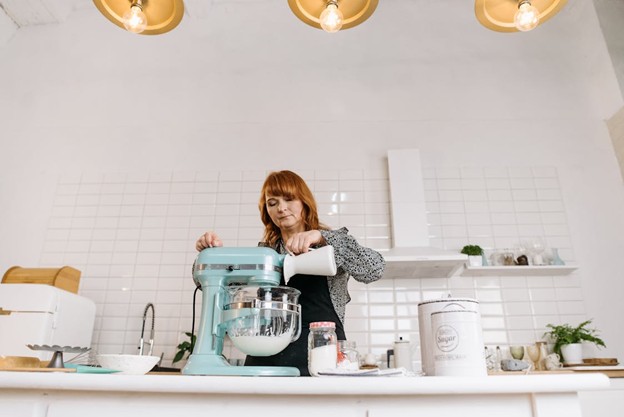
Cottage food businesses have become a popular way for people to turn baking or small-batch food production into a simple side hustle. For renters, though, the rules can feel a bit more complicated.
State cottage food laws, landlord preferences, and lease language can collide in confusing ways.
If you are renting and thinking about launching a cottage food operation from your kitchen, here is a clear, friendly breakdown of what you need to know.
How Cottage Food Laws Apply to Renters
Cottage food laws allow people to prepare certain low-risk foods at home and sell them directly to consumers. These usually include baked goods, shelf-stable sweets, and select preserves.
Many states have recently adjusted or expanded their rules.
State laws are designed to make home food entrepreneurship easier, but they do not override private rental contracts.
Even if you qualify under your state's cottage food regulations, you must still follow your lease.
This is where many renters are surprised. Tenants often assume that because the business is small and kitchen-based, it is automatically allowed. In reality, landlords may have rules that restrict or completely prohibit any business activity.
Understanding the Landlord's Point of View
Most leases include a residential-use-only clause. In many cases, landlords interpret this as a full ban on home businesses unless they explicitly approve them.
Some landlords feel comfortable with small cottage food operations, while others worry about risk, insurance, or changes to how the property is used.
Landlords usually focus on three main concerns:
- Liability (in case someone becomes ill or injured).
- Potential damage to the property.
- Compliance with state and local laws.
Another common fear is that customers will start showing up at the property. Most cottage food laws already limit or discourage onsite sales, so a tenant can often reassure a landlord simply by explaining how the products will be delivered or picked up.
Some landlords also ask about equipment, since they worry that specialty tools might strain electrical systems or require alterations to the property. In reality, most cottage food operations rely on standard kitchen gear and small plug-in appliances.
Even items designed for consistent cooling, like Restaurant Supply ice cream display freezers, operate as simple plug-in units and do not require structural changes or upgraded wiring.
Explaining this to a landlord can go a long way in easing concerns about extra wear, safety issues, or surprise modifications.
State Laws That Affect Tenants More Than Homeowners
Your address plays a big role in what is allowed. State cottage food laws vary widely, and renters feel those differences even more than homeowners.
More Flexible States
States like Texas have broadened their cottage food categories. And some states let tenants operate freely as long as they have written permission from the property owner.
States with More Restrictions
Some states tighten rules around labeling, product categories, or where foods can be prepared.
Nebraska and Georgia, for example, made detailed updates in 2024. These states still allow cottage food businesses, but often add extra compliance steps. Because of that, landlords in those areas might be more cautious.
What Tenants Should Do Before Starting a Cottage Food Business
The good news is that with clear communication and smart planning, many renters can get landlord approval.
Read Your Lease Closely
Scan for any language about business use, visitors, or equipment restrictions.
Many residential leases ban business use by default, but landlords can add exceptions.
Have a Real Conversation with the Landlord
Explain what you want to make, how often, and how you will package or deliver the products. Landlords appreciate details because they help them understand what will actually happen inside the home.
You can also share information from states that have clear guidelines.
Focus on Safety and Compliance
Cottage food laws already limit risky foods and require proper labeling.
Let your landlord know that you are following state requirements and that the foods you plan to make fall within the allowed categories.
Build a Simple Operating Plan
A short plan helps show you are organized and operating thoughtfully. It could include where ingredients are stored, how you clean up, how you manage inventory, and how finished goods leave the home.
This plan does not need to be fancy. It should just reassure the landlord that the business will not disrupt the property.
Put Permission in Writing
Even if the landlord agrees verbally, get written approval or a lease addendum.
This protects both sides. It also prevents confusion if the property is sold or management changes.
What Happens If the Landlord Declines
Landlords are allowed to say no, even if state law says cottage food production is legal. If that happens, it is important not to start the business anyway.
Violating a lease can lead to penalties or eviction.
Tenants can wait until their lease ends, negotiate again later, or consider renting certified commercial kitchen space.