



Property owners and homebuyers are prioritizing solar installations, battery backup, and routine system maintenance to stabilize long-term utility expenses.
Rising electricity rates take up a growing share of your household or rental operating budget each month. When you buy or manage a property today, unpredictable utility bills can strain your cash flow just as much as a shifting interest rate.
Because energy expenses shape long-term affordability, smart buyers and property owners no longer treat on-site generation as a luxury perk. You now evaluate solar panels and battery readiness as core property assets that protect your wallet and strengthen resale appeal.
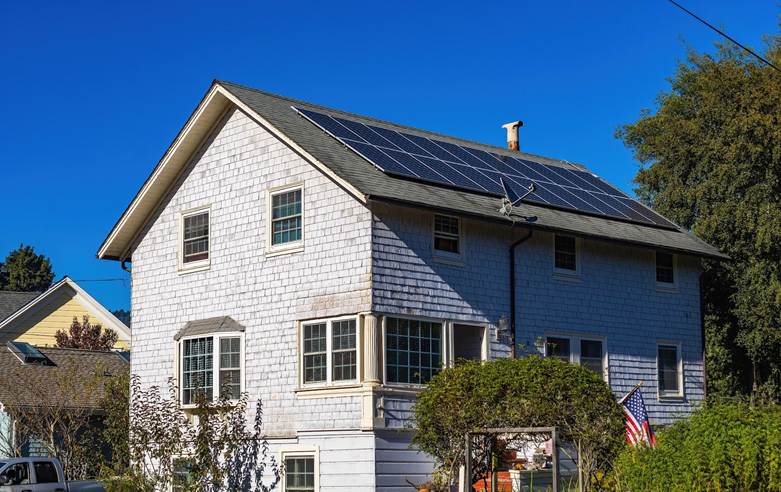
Why Do Predictable Energy Bills Drive Higher Home Values?
When buyers tour homes in competitive neighborhoods, they look beyond fresh paint and updated kitchens. You probably calculate total monthly housing costs before making an offer, combining your mortgage, taxes, insurance, and utility bills. Built-in power generation immediately lowers that overhead and shields your budget from utility rate hikes.
According to Zillow, installing home solar equipment helps lower monthly electricity bills while giving your household greater energy independence and protection during frequent grid outages. Sellers who share 12 months of low utility statements give buyers concrete proof of ongoing savings, while landlords use reduced operating costs to stabilize rental returns.
How Does Backup Power Resilience Make Your Property Stand Out?
Severe storms, heatwaves, and aging grids have turned multi-hour blackouts into a common headache for homeowners and tenants. If you work from home or rely on medical equipment, losing power disrupts your routine within minutes. Properties with backup batteries eliminate that stress and keep critical circuits running when neighborhood lines fail.
Buyers increasingly ask how a house handles outages before they even tour the yard. When your property keeps refrigerators cold, Wi-Fi active, and climate control steady during a blackout, it draws stronger interest and faster offers than comparable listings nearby.
What Components Power a Modern Clean Energy Setup?
Planning a durable clean energy upgrade starts with understanding how individual parts work together on your roof and utility wall. Homeowners and landlords who invest in complete residential solar panel systems gain higher daily energy yields and smoother long-term maintenance than buyers who piece equipment together later. Choosing matched hardware lets your building capture sunlight efficiently and store excess power for evening use.
High-Output Solar Modules
Modern monocrystalline panels produce more watts per square foot than older models. High-output modules generate strong current in compact footprints, helping you meet household demand even on smaller roofs.
Panel-Level Microinverters
Traditional string inverters link panels in series, so shade on 1 panel lowers output across the whole array. Microinverters mount beneath each module to convert power at the source, isolating shade issues and simplifying monitoring.
Scalable Battery Storage
Lithium-iron-phosphate batteries let you store midday sunshine instead of exporting power to the grid for pennies. You can start with 1 battery unit for evening peak rates and expand capacity later.
Planning Full-Lifecycle Integration for Homeowners and Landlords
Smart owners treat clean energy upgrades like any major structural project, aligning roof lifespan and electrical capacity before installation starts. If your shingles have fewer than 10 years left, replacing them before mounting solar racking prevents costly panel removal later.
Upgrading your main electrical panel during the same project prepares your home for heat pumps and Level 2 EV chargers. Keeping permits, wiring diagrams, and warranties in a binder helps buyers and appraisers verify system quality immediately.
How Can You Keep Solar Production Strong Over Decades?
Solar arrays have no moving parts, and routine care still protects your return across 25 to 30 years. Dust, pollen, and bird droppings block sunlight from reaching solar cells, trimming your monthly kilowatt-hour harvest. Proactive checkups keep minor wear from turning into lost production.
- Monitor daily inverter data: Check your mobile app each month to catch sudden output drops or offline microinverters early.
- Schedule gentle panel cleanings: Rinse away pollen, ash, or grime twice a year with deionized water and soft brushes.
- Inspect flashing and wiring: Have a technician verify that racking bolts, conduit seals, and junctions stay tight after storms.
- Test battery backup readiness: Run periodic simulated outage checks so transfer switches respond smoothly before storm season arrives.
Inherited an Existing Setup? Protect Your Investment With Third-Party Service
Buying a home with existing solar panels delivers immediate utility savings, and many new owners discover their original installer has closed. You never have to accept declining output or broken monitoring apps simply because another company built the array years ago.
Independent solar specialists run diagnostics on existing third-party setups, replace failed inverters, and restore cloud monitoring under your account. Bringing an older system back to peak performance protects your monthly savings and builds buyer confidence when you sell.
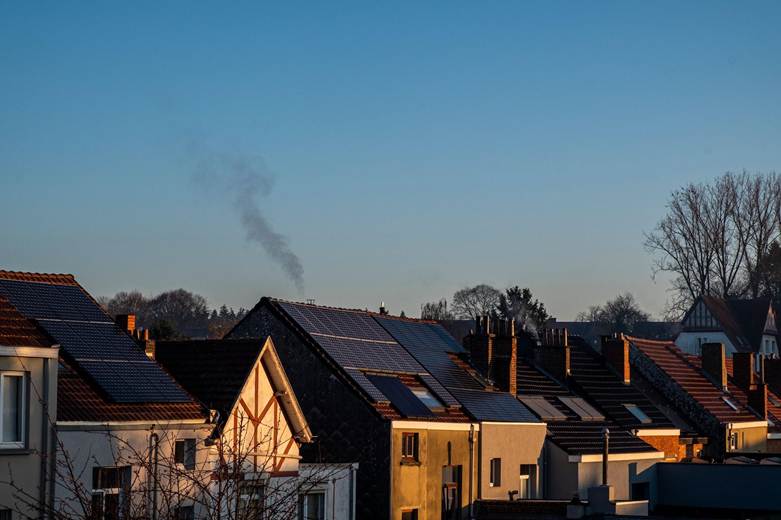
Treating solar and storage equipment as a long-term building system changes how you manage property costs and build equity. Combining quality installation, scalable battery backup, and consistent maintenance support safeguards your monthly cash flow and your home's market value. Review your recent electric bills and roof condition today to map out a clean energy upgrade that pays dividends for decades.