



Working on real estate projects brings significant physical challenges every single day. Simple routine maintenance tasks or full-scale construction projects can expose property workers to sudden hazards.
Safety risks exist on almost every active job site across the region. Understanding the main hazards helps property owners and crew members reduce severe health risks during everyday maintenance work.
Structural Hazards and Elevated Work Platforms
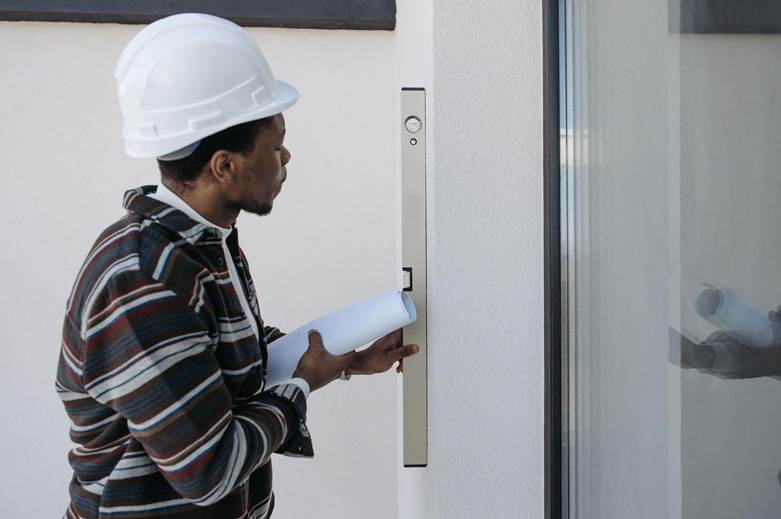
Working at heights remains a leading physical threat for real estate workers. Unstable scaffolding, weak extension ladders, and unprotected roof edges present severe daily hazards. Lack of personal fall arrest systems turns routine repair tasks into dangerous activities.
Property repairs often require climbing onto elevated surfaces without proper guardrails or safety harnesses. Hiring a skilled Personal Injury Lawyer in San Antonio, for example, can provide legal guidance when severe structural accidents occur on local job sites. Victims need clear assistance after suffering serious physical trauma during workplace accidents.
Regular safety inspections of wooden decking, scaffolding, and support beams prevent unexpected structural failures. Replacing worn extension cords and rusted ladder steps keeps workers safe during complex overhead tasks. Proper site supervision helps everyone follow basic height safety guidelines.
Slip and Trip Accidents on Unmaintained Grounds
Walkways, outdoor parking areas, and interior concrete floors present constant trip hazards. Wet surfaces, spilled lubricants, and loose gravel create treacherous footing conditions for field workers. Muddy terrain around construction zones creates unexpected slips.
Data from labor statistics shows that over one-third of fatal construction workplace events stem from falls, slips, and trips, with roughly 96 percent involving falls to a lower level. Ground-level hazards frequently lead to elevated falls when workers lose their balance near structural edges. Minor tripping hazards can rapidly turn into severe medical emergencies.
Good housekeeping habits on site keep walkways clear of discarded debris and tangled extension cords. Cleaning up oil spills immediately prevents dangerous physical slides across concrete surfaces. Storing tools in designated bins keeps access paths clear for everyone.
High-Risk Equipment and Machinery Operations
Power tools, trenching equipment, and heavy machinery require intense concentration from operators. Improper handling of heavy gear leads to severe lacerations, crushed limbs, and catastrophic mechanical impacts. Defective safety guards on saws further escalate dangerous operational risks.
Industry research notes that the construction sector registered 9.2 fatal injuries per 100,000 full-time workers in 2024, nearly triple the national average across all fields. Heavy machinery usage contributes heavily to the alarming statistics. Working near moving vehicle parts demands total situational awareness from every team member.
Crew members should wear protective gloves, eye shields, and steel-toe boots when operating power equipment. Comprehensive equipment training lowers mechanical mishaps on busy work sites. Inspecting machinery before starting daily operations stops dangerous equipment failures.
Electrical Hazards and Exposed Wiring
Renovating older residential structures often exposes technicians to dangerous electrical wiring. Faulty junction boxes, frayed extension cords, and damp conditions dramatically increase shock hazards. Unlabeled breaker panels create extreme danger for plumbers and carpenters.
Safety tracking reports show that 844 workers lost their lives from fall events in 2024, accounting for 17 percent of total workplace deaths and injuring roughly 480,000 people severely enough to cause missed workdays. Severe electrical shocks can cause workers to lose balance and fall from high ladders. Non-fatal electrical burns cause long recovery periods for tradespeople.
Turning off main power breakers before starting repairs prevents sudden electrical surges. Using insulated hand tools offers an added layer of defense against live currents. Testing wires with voltage detectors confirms safe working conditions.
Falling Objects and Overhead Debris
Unsecured construction materials stored on upper floors or scaffolding pose massive risks to workers below. Falling hammers, loose bricks, and heavy timber pieces can inflict traumatic brain injuries. Working beneath active demolition zones requires continuous monitoring.
Site managers reduce overhead dangers through simple preventative steps. Implementing some safety protocols keeps ground crews safe from falling items:
- Installing heavy-duty safety netting under open scaffolding platforms.
- Mandating protective hard hats across all active work zones.
- Securing hand tools with safety lanyards during high-altitude repairs.
Clear warning signs keep pedestrian traffic away from active overhead demolition zones. Storing heavy supplies on lower ground levels reduces sudden falling hazards. Toe-boards installed along scaffolding edges keep stray hand tools from sliding off.
Poor Lighting and Unsafe Environmental Conditions
Dimly lit stairwells, dark basements, and night shifts make recognizing job site dangers difficult. Poor visibility increases missteps, miscalculated saw cuts, and collisions with heavy machinery. Working in dark areas dramatically raises workplace risk levels.
Severe weather conditions like extreme heat, sudden rain, or morning ice double property work risks. Slippery roofs or mud-soaked footing turn standard repairs into hazardous endeavors. Freezing temperatures reduce hand grip strength on power tools.
Setting up temporary LED work lights brightens dark interior corridors. Taking frequent water breaks during hot summer days protects crew members from heat exhaustion. Wearing insulated boots keeps workers comfortable during freezing weather conditions.
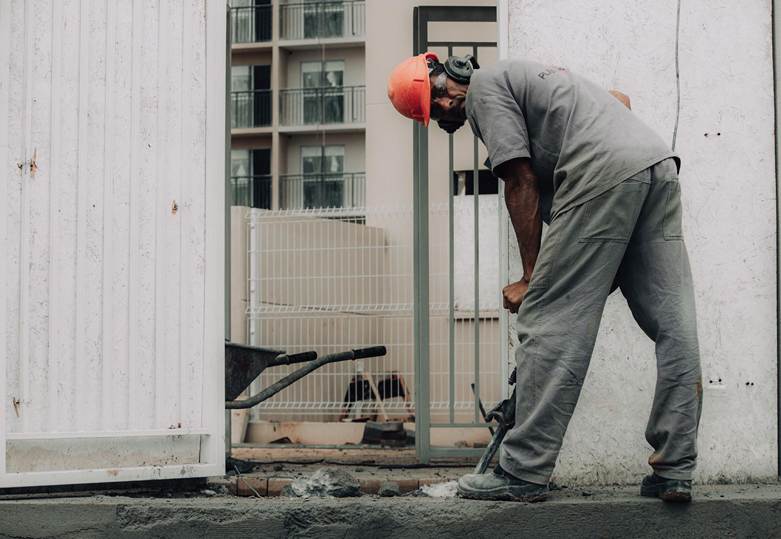
Maintaining property safety requires constant vigilance, proper safety gear, and clear job site protocols. Proactive safety measures reduce physical harm across all residential and commercial building projects.
Proper safety training and clear communication protect every worker on site. Prioritizing physical safety leads to smooth property renovations without devastating workplace injuries.