



You can usually spot a well kept rental before you reach the front door. The path feels steady, the lighting makes sense, and the entry looks cared for. Those small cues calm people down, and they shape first impressions fast.
A simple design build approach can still feel warm and lived in, even with rental level durability. The idea behind a naperville landscaping service is less about fancy extras and more about daily comfort. When surfaces stay solid and cleanup stays easy, tenants feel it right away.
Outdoor spaces also influence how quickly issues get reported and fixed. When steps wobble or drains clog, people notice and frustration builds quickly. When everything works, outdoor areas fade into the background in a good way.
Safety And Flow Feel Better Than Fancy Details
A lot of outdoor stress starts with movement that feels awkward. Parking to entry should feel obvious, and the route should stay stable after rain. If a tenant carries groceries at night, they should not be guessing where the next step is.
Trip hazards tend to come from tiny changes in height. Pavers that shift, cracked edges, and loose gravel can all cause a fall. A solid base, tight joints, and clean edging reduce those problems without adding much visual noise.
Lighting matters because it supports comfort and safety at the same time. Soft, even light at steps and gates feels welcoming, and it also cuts down on accidents. Fixtures that take standard bulbs also make replacements easier for maintenance teams.
Drainage deserves attention because it protects everything around it. Standing water stains concrete, weakens joints, and invites insects to hang around longer. A gentle slope away from the home and a clear outlet path can prevent repeated repairs.
Materials That Hold Up Keep Complaints Down
Rentals do best with surfaces that shrug off daily use. Textured concrete, well set pavers, and stone on a proper base tend to age well. They also handle furniture movement without chipping as easily as softer finishes.
Planting works best when it fits real schedules, not ideal ones. Tough shrubs, reliable ground cover, and mulch that stays put after storms help yards look neat longer. Seasonal color can still show up, and it usually works best near the entry.
Water use is also part of the long game, especially when summers run hot. Efficient watering choices help plants stay healthier and help owners avoid wasted utility costs. The EPA’s WaterSense guidance is a helpful reference for smarter irrigation and timing.
A few practical choices can keep maintenance lighter across the year. Defined edges keep beds from bleeding into grass and walkways. Hard surfaces near gates reduce muddy spots when trash bins get rolled out.
Small Comfort Zones Make Rentals Feel More Livable
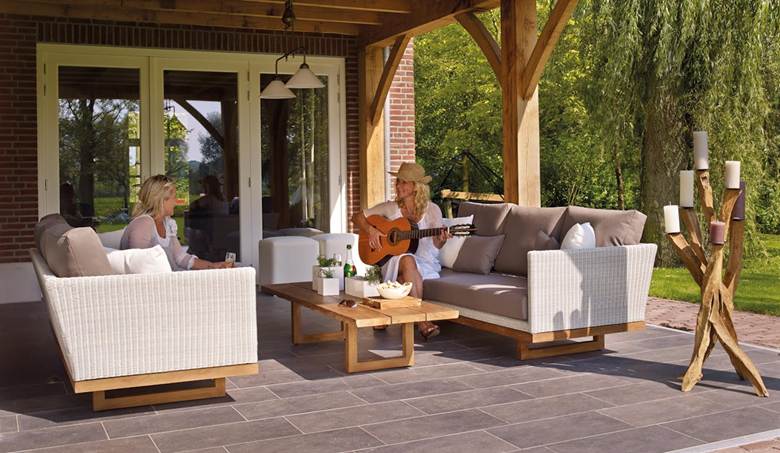
A backyard does not need a full makeover to feel usable. A defined patio pad and a simple seating spot can be enough. When there is a place to sit, people imagine themselves living there.
Shade can improve comfort, but it works best when it stays sturdy. A pergola with solid posts or a well placed tree can reduce heat on patios. Flimsy shade features tend to sag, and that turns into a repair request later.
Storage and screening also shape how inviting a yard feels. Trash bins, hoses, and spare pots make a space look messy when they have no home. A small screen wall or a side gate can hide clutter without adding fussy hardware.
Outdoor kitchens and grills can be a plus, yet they need clear boundaries. Tenants appreciate the amenity, and owners appreciate fewer scorch marks and fewer neighbor complaints. A defined surface area and safe clearance do a lot of quiet work.
Smart Privacy And Boundaries Without Extra Maintenance
A rental yard feels more comfortable when people are not on display. A low fence, a simple screen panel, or a row of sturdy shrubs can create separation without turning into a constant upkeep project. It also helps with noise and makes shared spaces feel less awkward.
Privacy choices work best when they stay predictable. Materials that do not warp easily, and plants that do not explode in size, keep future trimming and repairs manageable. When boundaries are clear, tenants tend to treat the space with more care, and neighbors have fewer reasons to complain.
Clear Routines Keep Outdoor Areas From Sliding
Outdoor wear often shows up during move in and move out. Furniture scrapes, pet traffic, and dragged bags can mark surfaces quickly. A simple record of condition helps everyone stay on the same page.
It helps when the move in paperwork includes outdoor basics too. A checklist that covers patio condition, hose bib function, and gate latches prevents small disputes later. The Move In Move Out page offers a good idea of how that kind of process can be organized.
Maintenance reporting also feels smoother when the path is obvious. Tenants are more likely to report a loose step early when the form is easy. A direct repair request option also keeps outdoor issues from turning into safety problems.
Plant care gets easier when expectations stay simple and written down. A one page note about watering days and shutoff locations helps avoid guesswork. For region friendly plant ideas, NC State Extension’s gardening resources can help owners pick hardy options that need less attention.
A Simple Finish That Keeps Paying Off
Outdoor upgrades work best when they feel easy to live with, not precious. When paths stay level, lighting feels steady, and water has somewhere to go, the whole property reads as cared for. Then the comfort pieces, like a small patio spot or a bit of shade, land better because they fit the space instead of fighting it.
From there, it really comes down to consistency. Clear move in notes, a straightforward way to report issues, and materials that hold up under real use keep the outdoor area from slowly slipping. When those parts line up, tenants get a space they actually enjoy using, and owners get fewer surprises in the inbox.