



Modern kitchens demand sinks that work hard and look sharp. A drainer board kitchen sink does both by giving dishes, cookware, and produce a place to dry without soaking your benchtop. Homeowners now treat the sink as a design feature, not just a utility zone, so layout, materials, and finishes matter more than ever. You can choose from integrated drainer boards, separate drainboard inserts, and advanced workstation layouts with smart accessories. A model like a 1160x460x230mm handmade double bowl sink in 1.2mm 304 stainless steel shows how far design has come, with top, flush, or undermount installation and multiple colour options. The right choice will streamline daily tasks, protect your counters, and tie together your cabinets, splashback, and appliances.
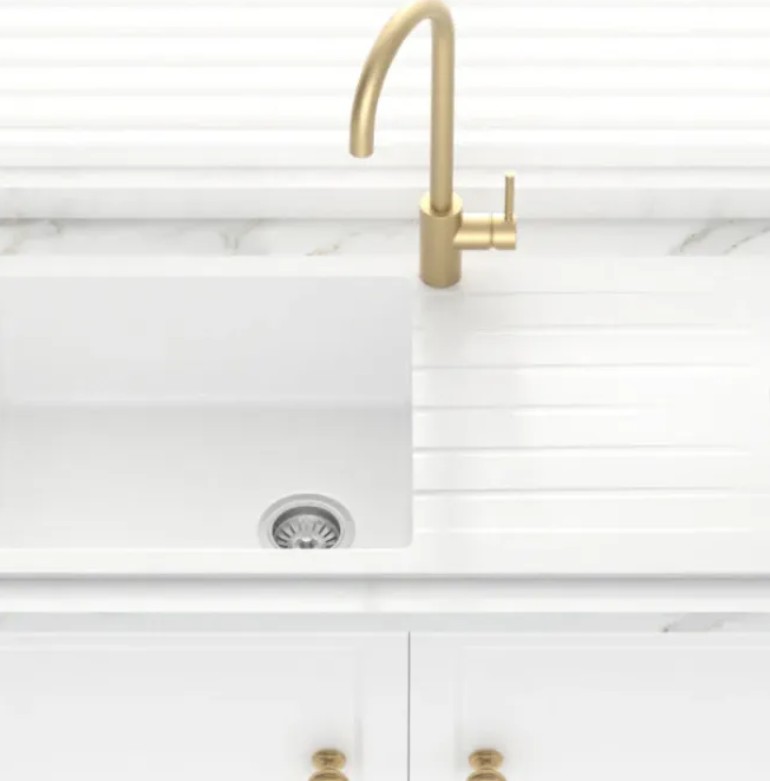
What Are the Best Drainer Board Sink Designs for Modern Kitchens?
Integrated Drainer Board vs Separate Drainboard Styles
Choosing between an integrated drainer board and a separate drainboard shape affects both workflow and style. Integrated drainer boards are built into the sink body, creating a seamless, easy‑to‑clean surface that suits minimalist, modern kitchens. Water flows straight from dishes into the bowl, which helps you keep benches dry. Separate drainboard trays or roll‑up mats sit on the benchtop or over the bowl, so you can pack them away when you want a clear surface. They suit smaller kitchens or renters who cannot change the benchtop. For a sleek look, many homeowners prefer an integrated drainer board paired with an undermount or flush‑mount installation. If you often hand‑wash large pots and pans, choose a generous integrated drainer with raised ribs and a gentle slope for fast drainage.
Single Bowl, Double Bowl, and Workstation Sink Layouts
Layout decides how easily you cook and clean. A single bowl kitchen sink drainer offers one large, open space that fits trays, stockpots, and baking sheets. It works well in compact kitchens where every centimetre counts. A double bowl with drainer board, like a 1160x460x230mm handmade sink in 1.2mm 304 stainless steel, lets you soak in one bowl while rinsing in the other, with dishes drying on the drainer side. This layout suits busy families and keen home cooks. Workstation sinks add even more function, using ledges for sliding accessories such as colanders, cutting boards, and drying racks over the bowl. You can prep, rinse, chop, and drain in one zone. When you compare options, think about daily routines, how many people cook, and whether you rely more on hand‑washing or the dishwasher.
Space-Saving Designs for Small and Open Kitchens
Small and open‑plan kitchens benefit from drainer solutions that save space and keep surfaces tidy. Compact single bowl sinks with a slim integrated drainer help apartments and galley kitchens maintain clear benchtops. Look for narrow but deep bowls to maximise volume without wasting width. In open kitchens that face the living area, designers often pick clean, rectangular bowls with a flush‑mount installation and a low‑profile drainer to reduce visual clutter. A double bowl sink with drainer board, sized around 1160x460x230mm, works well on a longer island because it centralises prep and clean‑up. Roll‑up drainer racks give extra drying space only when needed and store away in a drawer. You can also use accessories like over‑sink cutting boards to extend workspace, leaving more bench area free for serving and styling.
How Do Materials and Finishes Influence Modern Sink Design?
Stainless Steel, Granite Composite, and Ceramic Options
Material choice sets the tone for your drainer board sink and affects durability and maintenance. Stainless steel remains a favourite for modern kitchens, especially in thicker gauges like 1.2mm 304 stainless steel. A handmade double bowl sink in this material, sized 1160x460x230mm, resists dents, heat, and stains while delivering a refined, professional look. Granite composite sinks offer a softer, matte feel with excellent scratch and heat resistance, plus colour options like black, graphite, and stone grey that suit bold, contemporary schemes. Ceramic or fireclay sinks bring a classic, glossy finish that works in transitional kitchens, though they need more care to avoid chipping. Each material handles sound, cleaning, and heavy use differently, so match your choice with cooking habits, water hardness, and the overall style of your cabinets and benchtop.
Popular Finishes: Matte, Brushed, and Textured Looks
Finishes turn a functional sink into a design statement. Brushed stainless steel remains popular because it hides fine scratches and water marks better than polished surfaces. A 1.2mm 304 stainless steel sink with a brushed finish pairs easily with most appliances. Matte and textured finishes are gaining ground, especially in black, gunmetal, and champagne tones that add depth to modern kitchens. Many brands now offer colour‑coated stainless sinks, so you can choose a 1160x460x230mm double bowl with drainer in a variant colour to match tapware or cabinet hardware. Textured drainers with subtle ridges look stylish while improving drainage and grip. When you compare finishes, consider lighting: darker, matte sinks suit bright spaces, while softer brushed steel helps balance cooler, low‑light rooms and reduces glare under task lighting.
How to Match Sink Design with Countertops and Cabinets
A drainer board sink looks best when it aligns with your benchtop and cabinetry style. For stone or engineered quartz counters, undermount or flush‑mount installation creates a sleek, uninterrupted line. A handmade 1160x460x230mm double bowl sink with drainer board works well in these setups, giving a clean transition from bench to bowl. If you have laminate or timber, a top‑mount sink can protect edges while still looking modern when the rim is slim and square. Match sink colour with either your benchtop or hardware: stainless steel echoes appliance finishes, while black or gunmetal variants can tie in with dark tapware and handles. In minimalist kitchens, choose a simple rectangular sink with a linear drainer pattern. In warmer, family spaces, softer radii and a slightly textured finish can feel more inviting.
How Can You Style and Optimize a Drainer Board Sink Area?
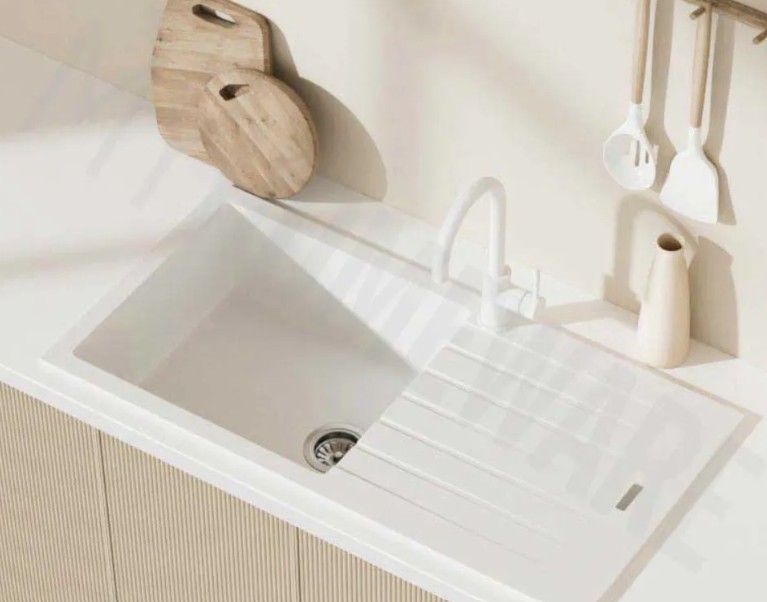
You can turn the drainer board sink zone into a streamlined, attractive workstation with a few smart choices. Start with layout: place the drainer board on the side that suits your dominant hand and dishwasher position to reduce movement. Use a double bowl sink with drainer, such as a 1160x460x230mm 1.2mm 304 stainless steel model, to separate food prep from dishwashing. Add a pull‑out or pull‑down mixer tap so you can rinse both bowls and the drainer quickly. Keep dish soap, brushes, and cloths in a narrow caddy or recessed niche instead of on the benchtop. A roll‑up rack over the drainer can handle delicate glassware or rinsed produce. For style, match sink colour with tapware, choose a neat splashback edge, and use under‑cabinet lighting to highlight the sink’s finish and clean lines.
Conclusion
A well‑chosen drainer board kitchen sink can lift both the look and efficiency of a modern home. You can decide between integrated and separate drainer styles, then pick a layout that suits daily routines, from compact single bowls to generous double bowls and advanced workstation setups. Materials such as 1.2mm 304 stainless steel, granite composite, and ceramic each bring different strengths, while finishes like brushed and matte add character and help manage wear. A handmade 1160x460x230mm double bowl sink with drainer board and flexible top, flush, or undermount installation shows how one design can adapt to many kitchens. When you match your sink to benchtops, cabinets, and hardware, you create a cohesive, practical space that stays comfortable to cook, clean, and entertain in for years.