



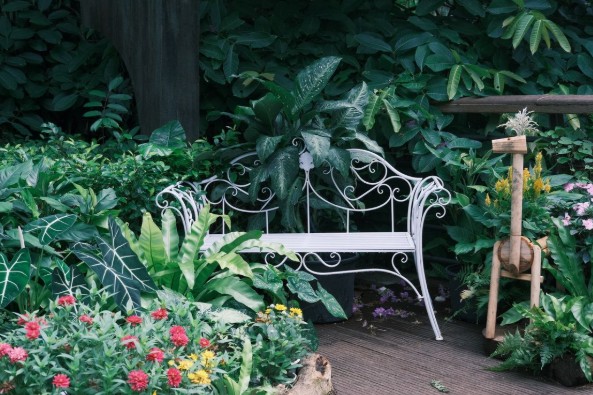
The exterior of your rental can be used as an excellent marketing tool. By incorporating sustainable practices in the outside living areas of your rental properties, you are creating a positive environment while simultaneously lowering your future operating costs. Transforming a rental property’s exterior into an eco-friendly asset requires practical, high-impact changes that balance ecological responsibility with property management realities.
Plant Native Greenery for Low-Maintenance Appeal
Using native plants as your landscape solution is the best method of developing a drought-tolerant, long-lasting, low-maintenance landscape. Indigenous flora is uniquely adapted to the local climate and soil conditions, which means these plants thrive naturally without heavy reliance on chemical fertilizers or intensive irrigation systems. When exotic plants are replaced with native shrubs and perennials, you reduce the amount of water needed to maintain your lawn and also require less maintenance. Tenants will appreciate their beautiful and healthy garden requiring only basic maintenance needs, while landlords benefit from lower utility bills and reduced landscaping labor. Focusing on regional species creates a self-sustaining ecosystem that looks intentional and polished year-round.
Install Permeable Hardscaping
Traditional concrete driveways and asphalt walkways accelerate stormwater runoff, sending pollutants into local waterways and eroding the surrounding soil. The solution for this type of problem can be found in installing permeable paths. By using an assortment of materials such as porous asphalt, interlocking concrete pavers, and loose gravel, the rain can flow through the hardscape directly into the ground. The permeability of the ground will help recharge the local aquifer with clean water. Another benefit of permeable paths is that it also eliminates puddles and reduces the potential of damaging the property’s foundation. It is a structural improvement that enhances the visual texture of the landscape while managing heavy rainfall responsibly.
Establish Efficient On-Site Waste Management
Managing yard debris efficiently keeps organic matter out of landfills and enriches the property’s soil. Composting yard debris in a designated area can help keep organic material from being sent to the landfill and add valuable nutrients to the yard’s soil. The same can be said for “grass-cycling”, or leaving mulched clippings on the lawn after mowing. By doing so, you are providing the grass with valuable nutrients that would otherwise have been lost. In addition to reducing the amount of yard waste going to the landfill, the use of plastic trash bags will be eliminated. As a result, your maintenance costs should decrease while the health of your lawn will increase.
Handle Tree Substructures Responsibly
Dead tree stumps left in the yards of rental properties are an invitation to unwanted pests such as termites or carpenter ants that could potentially damage your home. A professional stump grinding service will remove the dead tree stump quickly, efficiently, and with minimal disruption to your lawn. This service also removes the potential for unwanted pest problems. The resulting wood chips can then be repurposed immediately as an organic mulch for the property’s garden beds, completing a sustainable cycle.
A Sustainable Framework for Long-Term Value
By using sustainable landscape practices, there is less need to spend time, money, or chemicals on maintaining your building’s “curb appeal”. This approach helps you, as a landlord, protect your investment by creating a long-term, structurally solid, modern, and functional outside living space that will be valued by your tenant.