



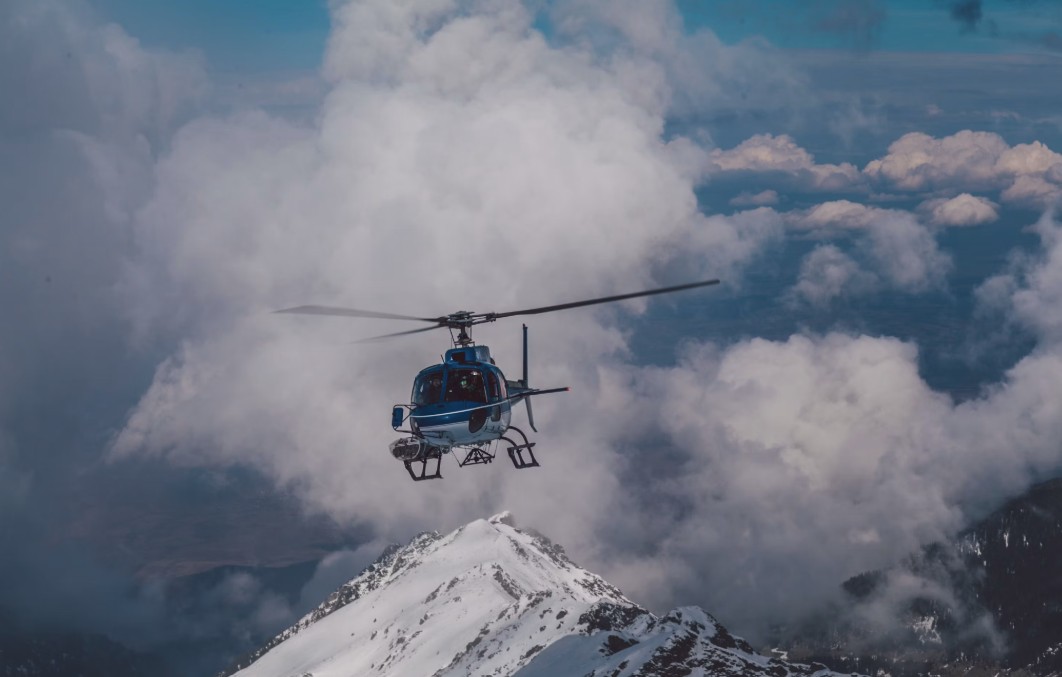
You want to see Everest. You don't want to spend two weeks doing it. That's the honest starting point for most people who search for an Everest Base Camp Helicopter Tour instead of committing to the full trek. Maybe you've got a week in Nepal, not three. Maybe your knees aren't what they used to be, or you just don't fancy sleeping in a teahouse at minus ten degrees for the sake of a photo. Either way, the helicopter option exists for a reason, and it's not a lesser version of the "real" trip — it's a different one.
This guide walks through what the tour actually involves, who it suits, how it stacks up against trekking to Base Camp (or pushing further on the Three Pass route), and the practical stuff — weather, safety, cost, packing — that most people only think about after they've already booked. Think of it as the conversation you'd have with someone who's actually flown it, not a brochure.
What Is an Everest Base Camp Helicopter Tour?
Strip away the marketing language and it's fairly simple: a helicopter takes you from Kathmandu into the Khumbu region, gets you close to Everest and its neighboring peaks, and brings you back — usually all within a few hours. It's not a substitute for walking there, and it shouldn't be sold as one, but it does something trekking can't: it puts Everest in front of you without asking for two weeks of your life first.
Typical Flight Experience
Most tours leave Kathmandu early in the morning, when the air is calmer and the mountains tend to be clearer. From there, the route generally passes over the lower hills before climbing into the Everest region proper — past Lukla, over the Khumbu valley, and toward the high peaks. Depending on the itinerary, you might land at a viewpoint near Everest Base Camp or continue toward Kala Patthar for a closer look at Everest itself, before heading back to Kathmandu. Some operators include a short stop at Everest View Hotel or a similar lodge for tea and a breather at altitude.
How Long Does the Tour Take?
There's no single fixed answer here, and anyone who tells you exactly how many hours and minutes it'll take without checking conditions first is guessing. Flight duration shifts with weather, air traffic around Lukla (which gets busy), the specific landing site, which operator you're flying with, and the season. A tour billed as a few hours can run longer, shorter, or get postponed entirely if the mountain decides otherwise.
Who Should Choose the Helicopter Tour Instead of Trekking?
This is really the question most people are trying to answer when they land on this topic, so let's be direct about it.
The helicopter tour tends to suit travelers who are short on vacation days and can't spare the twelve-to-fourteen days a standard trek needs. It also works well for older travelers, or anyone who isn't confident about walking six to seven hours a day at altitude for nearly two weeks straight. Families with mixed fitness levels — say, grandparents and teenagers on the same trip — often find the helicopter route solves an otherwise impossible logistics problem. And plenty of people simply want the Himalayan views without spending ten nights getting progressively colder and more tired to earn them.
Who May Prefer Trekking?
On the other hand, if what you actually want is time in Sherpa villages, a proper acclimatization schedule, a wander through Namche Bazaar, monastery visits, and the slow build of walking deeper into the Khumbu day by day, the Everest Base Camp Trek is going to give you something the helicopter simply can't. There's also the sense of earning it — arriving at Base Camp on foot after days of effort hits differently than stepping out of a helicopter for twenty minutes. Neither is wrong. They're just different trips answering different questions.
Helicopter Tour vs Everest Base Camp Trek vs Everest Three Pass Trek
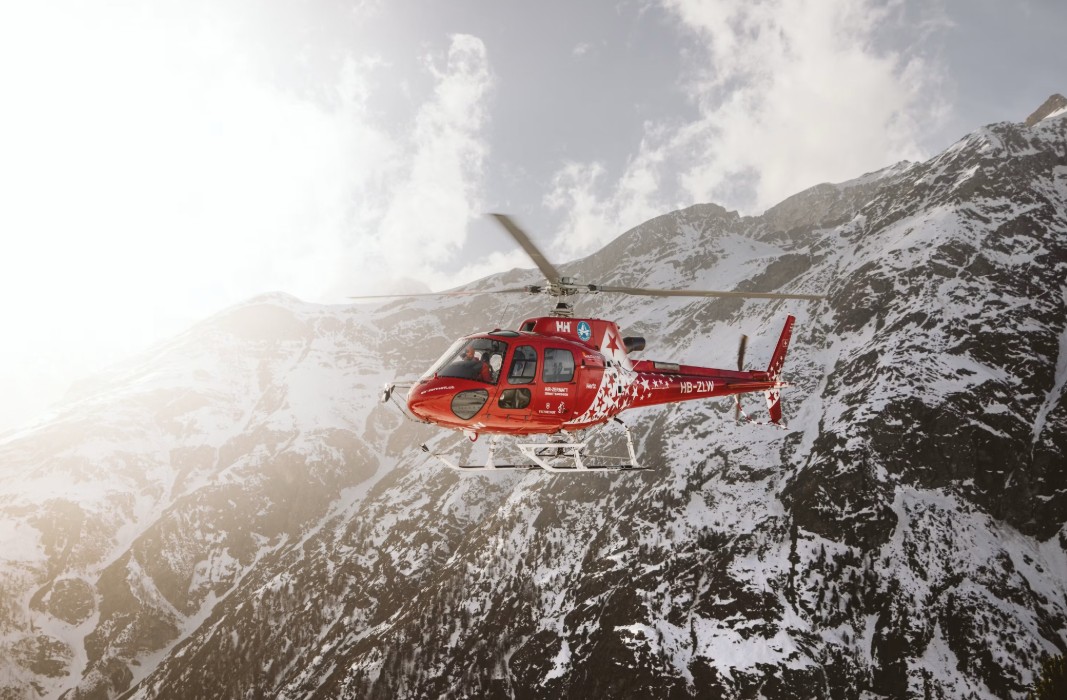
Since a lot of people researching this topic are comparing all three options at once, here's a quick side-by-side.
Factor | Helicopter Tour | Everest Base Camp Trek | Everest Three Pass Trek |
Main experience | Aerial views plus a short ground stop | Multi-day walking journey | Demanding high-altitude trekking |
Time required | Typically a single day | Roughly two weeks | Longer, often 18–20 days |
Physical demand | Low to moderate | Moderate to challenging | Very challenging |
Altitude exposure | Brief | Extended, with acclimatization days | Extended and higher-risk |
Cultural experience | Minimal | Strong — villages, monasteries, daily life | Strong, plus remote valleys |
Mountain scenery | Excellent aerial perspective | Excellent ground-level views | Some of the most extensive high-mountain scenery in the region |
Best suited for | Time-limited travelers | Those wanting the classic Everest journey | Experienced, well-acclimatized trekkers |
Which One Is Better?
Honestly, none of them wins outright — it depends on what you're optimizing for. If you've got unlimited time and want the deepest experience, trekking wins. If altitude and endurance aren't a concern and you want to push further into remote passes, the Everest Three Pass Trek is the more serious option. If time, budget for extra vacation days, or physical readiness are the limiting factor, the helicopter tour closes that gap without cutting Everest out of your trip entirely.
Best Time for an Everest Base Camp Helicopter Tour
Spring
March through May tends to bring more stable mornings and clearer mountain visibility, which is exactly what a helicopter flight depends on. It's also peak season, so expect more bookings and busier skies around Lukla.
Autumn
September to November is arguably the most popular stretch for both trekking and flying, thanks to generally good visibility after the monsoon clears out. The trade-off is a genuinely busy aviation environment — more helicopters, more fixed-wing traffic, more scheduling around it all.
Winter and Monsoon
Winter brings cold, clear spells but also unpredictable mountain weather that can shut down flights with little warning. Monsoon season (roughly June to August) is the toughest window — cloud cover and rain regularly reduce visibility to the point where flights get delayed or cancelled outright.
Practical advice: build in a buffer day if you can, and never schedule an international flight for the same afternoon as your helicopter tour. Confirm the actual flight plan with your operator close to the date rather than relying on what was agreed months in advance.
What Does the Helicopter Tour Cost?
There isn't one honest number to quote here, because the price moves depending on several real variables: whether you're booking a shared or private helicopter, how many passengers are splitting the cost, the season, landing and airport charges, government fees, which operator you choose, and whether transfers are bundled in.
What Should Be Included in the Price?
Before paying anything, check that the quote actually covers the flight itself, airport pickup and drop-off, any required permits or local fees, ground handling at the landing site, and — if it's advertised — a guide or support staff. Also ask what's not covered, particularly insurance, because that's where surprises tend to hide.
Altitude, Weather, and Safety: What Travelers Need to Know
Does a Helicopter Tour Cause Altitude Sickness?
Spending far less time at altitude reduces the risk compared with a multi-day trek, but it doesn't remove it completely. A short stop at a high landing point can still affect some people, especially those flying in from sea level with no prior acclimatization at all.
Weather Can Change the Plan
Cloud cover, wind, and shifting visibility in the mountains aren't rare inconveniences — they're a normal part of flying in this region. Delays and rescheduling happen, and a good operator will tell you that upfront rather than promise a flawless flight every time.
Practical Safety Advice
Follow whatever the pilot or crew tells you, and don't wander off from the designated viewing or landing area even if the view looks better ten meters away. Bring proper warm layers regardless of how the weather looks in Kathmandu, avoid unnecessary exertion once you're at altitude, and flag any health or mobility concerns with the operator before you fly. And one more thing worth saying plainly: a confirmed booking is not a guaranteed flight. Mountain weather doesn't check anyone's itinerary.
What to Pack for the Helicopter Tour
You don't need trekking gear for this — layers matter far more than volume. Bring a warm jacket, gloves, a hat, sunglasses, and sunscreen, along with water and your phone or camera with a spare battery or power bank. A small day bag, any personal medication, and your passport or required travel documents round out the list. This isn't a multi-day pack list, so resist the urge to overprepare like you're heading out for two weeks.
How to Make the Most of the Experience
If you can, book an early flight — mornings generally offer calmer air and better visibility. Keep your camera or phone within reach, but don't spend the entire flight staring through a lens; some of it is worth just watching. Listen closely during landing instructions, and stay flexible about timing since weather can shift the schedule at short notice. If photography is your main reason for going, ask about the specific route and landing or viewing point before you book, since not every itinerary offers the same angle on Everest. Operators like Adventure Great Himalaya, among others working in the region, can usually walk you through exactly what a given itinerary includes before you commit. And it's worth being clear-eyed about one thing: seeing Everest from the air is not the same experience as walking to Base Camp on foot — both are valid, but they're not interchangeable.
Booking Checklist: Questions to Ask Before Paying
Before handing over payment, it's worth getting straight answers to a short list of questions: Is the flight shared or private? What exactly does the quoted price include? Where does the helicopter actually land? How long is the ground stop? What happens if weather cancels the flight, and is rescheduling an option? Are airport transfers part of the deal? What happens if passenger numbers change last minute? What documents do you need on the day? And finally, what are the cancellation and refund terms if things don't go as planned?
Final Thought
If your priority is seeing Everest without the physical commitment of a long trek, the helicopter tour makes sense. If you want the full walking journey through the Khumbu — villages, monasteries, and the slow climb in altitude — the Everest Base Camp trek is the better fit. And if you're after something more demanding with extensive high-altitude scenery, the Three Pass route is where experienced trekkers tend to go. Whichever direction you're leaning, check the itinerary details carefully, ask about current availability, and confirm exactly what's included and how weather delays are handled before you book anything.
Frequently Asked Questions
How long does an Everest Base Camp helicopter tour take?
It varies by route, operator, and weather on the day, but most tours run a few hours round trip from Kathmandu.
Can you land at Everest Base Camp by helicopter?
Landing is possible at certain designated points near the Base Camp area or at viewpoints such as Kala Patthar, depending on aviation regulations and conditions on the day — it's not the same as landing directly at the trekking route's Base Camp site.
Is the Everest helicopter tour safe?
Flights operate under regulated conditions with trained pilots, but mountain weather means schedules can shift. Following crew instructions and staying flexible is part of what makes it safe.
Do I need to be physically fit for an Everest Base Camp helicopter tour?
Not in the way trekking demands. You should still be prepared for cold temperatures and brief altitude exposure, but there's no multi-day physical strain involved.
Is the Everest helicopter tour better than the Everest Base Camp trek?
Neither is objectively better — it depends on your available time, physical readiness, and whether you want the cultural and walking experience or a faster aerial one.
Can I take a helicopter tour to Everest if I only have one day in Nepal?
Often yes, since the tour can fit into a single day, but it still depends on weather and scheduling, so it's worth confirming availability well before you land in Kathmandu.