



From Budgeting to Building: Everything You Need to Know Before Remodeling Your Home in San Antonio
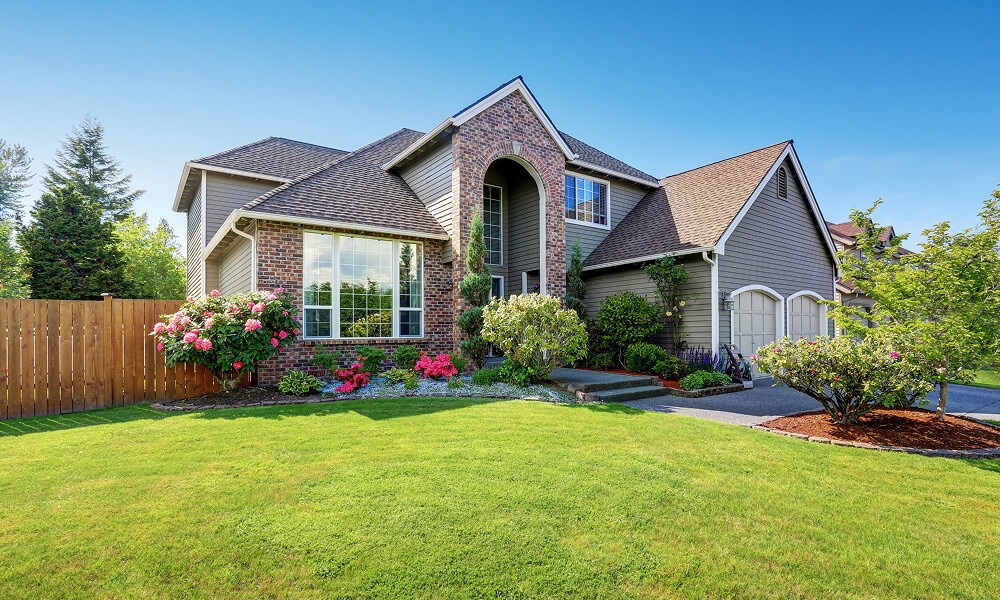
San Antonio homes tell a story. From the limestone ranch houses in Alamo Heights to the sleek new builds popping up in Stone Oak, every neighborhood carries its own personality, and every remodel is a chance to add a new chapter. But tackling home remodeling in San Antonio comes with a specific set of challenges. Before you start knocking down walls or picking out tile, there's a lot of groundwork to cover. Budgets need to make sense for our local market. Contractors need to be vetted. Permits need to be pulled. And the order in which you tackle a project can make or break the whole thing.
This guide walks through every stage of the process, from the money math to the design choices, all filtered through what actually matters for local homeowners. Grab a coffee (or a Big Red, if you're being properly local about it) and let's get into it.
What is the 30% Rule in Remodeling?
If you take one budgeting rule away from this entire article, make it this one. The 30% rule is a simple guideline that says you shouldn't spend more than 30 percent of your home's current market value on a remodel. It's not a law, and nobody is going to stop you at the door, but it's the closest thing the remodeling world has to a financial guardrail.
The Basic Formula Explained
Here's how it works in practice. Take your home's current market value, whether that's from a recent appraisal, a Zillow estimate, or a comparison to similar homes that sold nearby, and multiply it by 0.30. That number becomes your ceiling for a comprehensive remodel. So a home valued at $300,000 would cap out around $90,000 for a full renovation. A $450,000 home in Stone Oak might have room for a $135,000 project.
This isn't about how much you can afford to spend. It's about how much makes financial sense to spend relative to what the house is actually worth, so you don't end up pouring money into a property that the neighborhood simply won't support at resale.
Why This Number Matters More in San Antonio
San Antonio's median home value sits well below the national average, which is part of why the city is often ranked as one of the more affordable metros for remodeling in Texas. That affordability is a blessing and a trap at the same time. It's tempting to go big on finishes because the labor and material costs are lower here than in Austin or Dallas, but if you overbuild for your street, you may never recoup that investment when you sell. A $150,000 kitchen in a home surrounded by $220,000 houses is a tough sell no matter how gorgeous the countertops are.
Building In Your Contingency Fund
The 30% figure covers labor, materials, permits, and design fees, but it should never be treated as a number with zero wiggle room. Set aside another 10 to 20 percent on top of your working budget as a contingency fund, and lean toward the higher end if your home was built before the 1980s or sits on one of San Antonio's notoriously shifty clay soil lots. Hidden plumbing issues, old wiring, and foundation surprises are common enough here that skipping this step is one of the fastest ways to blow a budget wide open.
When It's Okay to Break the Rule
There are legitimate reasons to go past 30 percent. If you plan to stay in the home for a decade or more, resale math matters a lot less. If you're restoring a historic property in a district like King William or Monte Vista, preservation costs can push numbers higher than a typical remodel, but the long-term value and character you're protecting can justify it. The rule is a conversation starter, not a hard stop.
Cost Estimate for Home Remodeling Projects in San Antonio
Numbers are the part everyone actually wants, so let's get specific. Remodeling costs in San Antonio vary enormously depending on scope, but here's a realistic breakdown based on current market data.
Kitchen Remodel Costs
A mid-range kitchen remodel in San Antonio typically lands around the low $30,000s, which is noticeably below the national average, making the city one of the more budget friendly places in Texas to redo this space. On a per square foot basis, a kitchen update can run anywhere from $150 to $250, depending on whether you're going with laminate countertops or natural stone, stock cabinets or custom built-ins. Higher-end, full gut kitchen projects with premium appliances and cabinetry can climb into the $80,000 to $200,000 range for larger homes.
Bathroom Remodel Costs
Primary bathroom remodels generally fall between $50,000 and $120,000 for a high-end, full transformation, though a more modest refresh with new fixtures, updated tile, and a vanity swap can be done for a fraction of that. Smaller guest bathrooms are naturally cheaper across the board.
Whole Home Remodel Costs
This is where the range gets wide. A whole home remodel in San Antonio can run anywhere from roughly $250,000 to $650,000 depending on square footage, structural changes, and finish level, with cost per square foot generally sitting between $250 and $350. A 2,500 square foot whole home remodel with premium craftsmanship can push past $350,000 to $800,000 on the high end.
Room Additions and Second Stories
Additions and second story builds are among the priciest projects because they involve new foundation work, framing, roofing, and full mechanical, electrical, and plumbing tie-ins. Expect a range from $200,000 to $500,000 or more, depending on size and complexity.
What Drives Costs Up or Down in San Antonio
Location within the metro plays a bigger role than people expect. Stone Oak homeowners often lean toward open concept kitchens with large islands built for entertaining, while Alamo Heights families frequently prioritize preserving historic character with shaker cabinets and classic subway tile. Both approaches cost money, but they spend it differently. Material choices, whether you pick marble over granite or hardwood over ceramic tile, can shift your per square foot number substantially. San Antonio also sees roughly 3 to 4 percent year over year construction cost growth, so pricing your project sooner rather than later can help you dodge some of that creep.
Financing Your Remodel
With San Antonio's median home value giving many longtime owners a healthy chunk of tappable equity, a HELOC or home equity loan is a common way to fund mid-size to large remodels, especially with closing costs typically staying under $2,500. For smaller projects under roughly $30,000 to $40,000, an unsecured personal loan often makes more financial sense since the closing costs and timeline of a HELOC don't pencil out for a quick job. It's also worth checking into San Antonio's utility and city funded rebate programs, which can offset a portion of the cost for energy efficient upgrades like heat pumps or ENERGY STAR appliances.
Find Licensed General Contractors San Antonio
This is the part of remodeling that trips up more homeowners than almost anything else, mostly because Texas does things differently than most other states.
Understanding Texas's Unique Licensing Rules
Texas does not issue a statewide general contractor license. There is no Texas Contractors State License Board, and no exam you take at the state level to call yourself a general contractor. Instead, the state regulates specific specialty trades directly, licensing electricians and HVAC technicians through the Texas Department of Licensing and Regulation, and plumbers through the Texas State Board of Plumbing Examiners. Everything else, including general contracting itself, is left up to individual cities.
San Antonio's Two-License System
San Antonio fills that gap with its own local registration system, and it's structured around two categories. A Residential Building Contractor license covers new residential construction, structural remodeling, additions, foundation repairs, and detached accessory buildings larger than 400 square feet. A Home Improvement Contractor license covers non-structural remodeling, conversions, modernizations, and smaller accessory buildings. If your project involves moving walls, adding square footage, or touching the foundation, you want to be working with someone registered in the first category, not the second.
How to Verify a Contractor's Registration
Before you sign anything, contact the City of San Antonio Development Services Department directly to confirm a contractor's registration status. This step takes maybe ten minutes and it can save you from a world of pain later. Because Texas cities don't recognize each other's registrations, a contractor who's properly licensed in Austin or Dallas still needs to be registered specifically in San Antonio to legally pull permits here.
Red Flags to Avoid
Be wary of any contractor who tells you permits aren't necessary, who can't produce proof of insurance, or who wants full payment upfront before any work begins. Also keep in mind that workers' compensation coverage is optional for private employers in Texas, so it's worth asking directly whether a contractor's crew is covered, especially for larger structural projects where injury risk is higher.
How To Find The Best Painting Company in San Antonio?
Painting seems like the simplest part of any remodel until you're staring at uneven coats, splattered trim, and a crew that never shows up when they say they will. The difference between a forgettable paint job and one that makes your whole remodel look finished comes down to the company you hire.
What Separates a Great Crew from an Average One
According to the JC Painting and Remodeling team, "When you're choosing the best painting company in San Antonio, keep an eye out for strong reviews, fair pricing, solid reliability, and great attention to detail. The best crews work efficiently, show up on time, and deliver awesome results every single time."
That quote captures the whole checklist in one breath. Reviews tell you how a company treats its customers when things go smoothly and when they don't. Fair pricing means detailed, itemized quotes rather than a vague number scrawled on a napkin. Reliability shows up in small ways, returned calls, honored appointment windows, and a crew that actually finishes on the day they promised. And attention to detail is what separates a paint job that photographs well from one that actually holds up.
Interior vs Exterior Painting Considerations for San Antonio's Climate
San Antonio's climate throws a curveball at exterior paint jobs that homeowners in cooler regions never have to think about. Intense UV exposure, sudden summer storms, and long stretches of triple digit heat mean exterior paint needs to be rated for extreme conditions, or you'll be repainting again in three years instead of eight. Ask any painting company specifically about the products they use for UV resistance and moisture protection before you commit. For interior work, humidity control during application matters too, particularly in bathrooms and kitchens where condensation is a regular occurrence.
What's the Difference Between Remodeling and Renovating?
People use these words interchangeably all the time, but they describe two genuinely different approaches to updating a home, and knowing the difference changes how you plan, budget, and permit your project.
Renovating: Restoring What's Already There
Renovation means restoring or updating an existing space without changing its function or layout. Repainting walls, refinishing hardwood floors, replacing an old vanity, or updating light fixtures all fall under renovation. The bones of the room stay exactly where they are. You're improving what already exists, not reimagining it.
Remodeling: Changing the Function or Structure
Remodeling goes deeper. It means changing the structure, layout, or function of a space. Knocking down a wall to create an open concept kitchen, converting a garage into a home office, or adding a second bathroom where a closet used to be are all remodeling projects. This is construction in the truest sense, and it almost always involves permits, inspections, and a licensed contractor.
Why the Distinction Matters for Permits and Budget
This distinction isn't just semantics. San Antonio's Development Services Department treats these projects very differently. A cosmetic renovation might not need a permit at all. A remodel that touches structural elements, electrical systems, or plumbing will almost always require one, sometimes several, depending on how many trades are involved. Knowing which category your project falls into before you start saves you from an awkward conversation with a city inspector halfway through demo day.
When Not to Renovate a House?
Sometimes the smartest remodeling decision is the one where you walk away, or at least pump the brakes. Here's when that's true.
Foundation and Structural Red Flags
San Antonio sits on a lot of expansive clay soil, the kind that swells when it's wet and shrinks when it's dry, putting constant stress on foundations. If you're seeing significant cracks in walls, doors and windows that stick or won't close properly, or visibly uneven floors, get a structural engineer out before you spend a dime on cosmetic upgrades. Cosmetic work over a compromised foundation is money poured into a house that's still moving underneath it.
When the Numbers Don't Make Sense
If your renovation budget, even after trimming it down, would push you well past that 30 percent ceiling relative to your home's value, and you don't plan to stay long enough to enjoy the upgrade personally, it may be smarter to sell as-is or take on a lighter cosmetic refresh instead of a full remodel.
Neighborhood Ceiling Considerations
Every neighborhood has a practical value ceiling. If comparable homes on your street are topping out around a certain price point, an over the top remodel with luxury finishes may never fully translate into resale value, no matter how beautifully it's done. This is especially worth weighing in transitional neighborhoods where prices are still catching up to renovation costs.
Emotional Timing Isn't Financial Timing
Big life events, a new baby, a recent move, financial stress, can make a remodel feel urgent when it isn't actually the right moment. Renovations are disruptive by nature. If your household is already stretched thin emotionally or financially, it's worth asking whether this is truly the season for construction dust and contractor schedules, or whether it can wait six months without costing you anything real.
What is the Correct Order to Remodel a House?
Sequence matters enormously in a remodel. Doing things out of order leads to redone work, wasted materials, and blown timelines. Here's the order that experienced contractors follow and why it exists.
Planning and design first. Finalize your layout, materials, and permits before any demolition starts. This is also when you lock in your contractor and your budget.
Demolition. Remove what needs to go, whether that's old cabinetry, flooring, or entire walls, so the space is a blank slate for the next steps.
Structural and framing work. Any wall removal, new framing, or foundation repair happens here, before anything else gets built around it.
Mechanical, electrical, and plumbing rough-in. Wiring, pipes, and HVAC ductwork get installed inside open walls and floors while everything is still exposed and accessible.
Insulation and drywall. Once the rough-in passes inspection, walls get insulated and closed up.
Flooring. Many contractors install flooring before cabinetry so that cuts are cleaner and cabinets sit level on a finished surface.
Cabinets and countertops. These go in once the floor is down and walls are painted or ready for paint.
Painting and finishing work. Trim, paint, and any decorative finishes come after the big installations so they don't get scuffed or damaged by heavier construction work.
Fixtures and hardware. Light fixtures, faucets, cabinet hardware, and outlet covers go in near the very end.
Final inspection and walkthrough. The city signs off, and you do your own final walkthrough to catch any last details before calling the project complete.
Skipping ahead in this order, painting before flooring is down, for example, is one of the most common and avoidable mistakes homeowners make when they try to manage a remodel themselves.
How to Choose a Reliable Home Remodeling Contractor in San Antonio
This decision matters more than almost any other in the entire process. A great contractor makes the whole experience smooth. A bad one can turn a dream remodel into a nightmare.
Check Licensing and Insurance First
Confirm the contractor is properly registered with San Antonio's Development Services Department under the correct category for your project, Residential Building Contractor for structural work or Home Improvement Contractor for cosmetic updates. Ask to see proof of liability insurance, and confirm whether their crew carries workers' compensation, since it isn't legally required for private employers in Texas.
Read Between the Lines of Reviews
Don't just look at the star rating. Read the actual comments, especially any negative ones, and pay attention to how the contractor responded. A company that addresses complaints professionally and takes accountability is a far better sign than one with zero negative reviews at all, which can sometimes mean reviews are being filtered or the business is too new to have a track record.
Get Multiple Detailed Quotes
Always compare at least three quotes, and make sure each one covers the exact same scope of work. A lower number often means missing line items, not better pricing. Design build firms that offer transparency, all in estimates from day one tend to prevent the mid-project surprises that plague homeowners who worked with a contractor quoting construction costs alone.
Ask About Timeline and Communication Habits
Ask directly how the contractor handles delays, how often they'll update you, and who your point of contact will be if something goes wrong. The best crews are upfront about realistic timelines rather than promising an unrealistically fast turnaround just to win the job.
Permit Requirements for Home Additions San Antonio
Permits are non-negotiable for most additional projects in San Antonio, and skipping them can cost you far more than the permit fee itself down the line.
Which Projects Need a Permit
All home additions require a permit in San Antonio, no exceptions based on size alone. Garages need a permit regardless of square footage, and street entry setbacks require 20 feet from the property line to the garage door. Sheds and accessory structures over roughly 200 to 300 square feet also need permits, as do carports, decks, and any structure that's attached to the main dwelling or serves as a required exit. Beyond additions, interior remodels that move or remove walls, any mechanical, electrical, or plumbing work, roofing replacements involving decking, and fences over six feet all typically require their own separate permits.
The Application Process Through Development Services
Permits are handled through the City of San Antonio's Development Services Department, either online through the city's permitting portal or in person at their offices on South Alamo Street. Review timelines for residential projects generally run 5 to 10 business days, though projects exceeding 1,000 square feet or spanning more than one story require a more involved plan review process. Most permits are valid for 180 days from issuance, and if no inspections happen within that window, the permit can expire, so timing your project start date matters.
Special Rules: Aquifer Zone and Clay Soil
San Antonio has a few local quirks that other Texas cities don't deal with in the same way. Homes built over the Edwards Aquifer Recharge Zone face additional water quality review from the San Antonio Water System before certain permits are issued. And because of the region's expansive clay soils, many foundation and addition projects require a geotechnical report and a foundation engineer's letter of inspection to be on file before the project is considered complete.
Inspections and Permit Validity
Expect a framing inspection once the structure is up, an insulation inspection if the space will be conditioned, and a final inspection before the city signs off on the completed work. Keep every approval document somewhere safe and accessible, since you may need to show them at resale or during an insurance claim years down the line.
Interior Design Trends for San Antonio Homes
Once the structural and permit side of things is handled, the fun part begins: making the space actually feel like yours.
Warm, Traditional Interiors Making a Comeback
Cool gray interiors that dominated the last several years are giving way to warmer, more inviting palettes across San Antonio. Traditional style is having a real moment, blended with sleek Art Deco touches like brass accents, chevron patterns, and jewel toned fabrics that feel elegant without tipping into anything stuffy. Warm yellow tones, think ocher, mustard, and honey, are showing up in velvet sofas, wall paint, and throw pillows as homeowners look for spaces that feel lived in rather than staged.
Biophilic and Indoor Outdoor Living
Given how much of the year San Antonio spends in genuinely pleasant weather, indoor outdoor living continues to be a defining feature of local design. Retractable walls, covered patios that function as real living space, and landscaping that blurs the line between yard and home are all part of this shift. Compact backyard areas inspired by European garden aesthetics, cobblestone patios, climbing greenery, and cozy seating nooks, are also trending as homeowners lean into their outdoor square footage as a genuine living area rather than an afterthought.
Flooring and Material Trends
Flooring has quietly become one of the most expressive parts of a remodel. Warm hardwoods, natural textures, and even the return of cozy carpet in bedrooms and living spaces are showing up in more San Antonio homes, often paired with bold, large scale patterns that reflect individual style rather than a generic resale friendly look. There's also a growing push toward low chemical, healthier flooring materials as homeowners pay closer attention to indoor air quality.
Neighborhood Specific Style Notes
San Antonio's neighborhoods each pull design in slightly different directions. Stone Oak families tend to favor open concept layouts with large kitchen islands built for entertaining and casual dining. Alamo Heights homeowners often lean toward preserving historic character, shaker cabinets, classic subway tile, and architectural details that respect the age of the home. Newer developments further out toward Boerne and New Braunfels are embracing contemporary layouts with clean rooflines and mixed exterior materials, while still nodding to the natural Hill Country landscape around them.
Bringing It All Together
Remodeling a home in San Antonio is part financial planning, part project management, and part creative vision. Get the budget right using the 30% rule, choose a contractor who's actually registered with the city for the scope of work you need, pull the correct permits before the first hammer swings, and follow the proper build sequence so nothing has to be redone. Do all of that, and the design part, the part where you actually get to pick your countertops and paint colors, becomes the reward at the end of a process you handled the right way from the very beginning.
Whether you're planning a simple bathroom refresh or a full whole home transformation, San Antonio's mix of affordability, distinct neighborhoods, and unique local climate and soil considerations means a little local knowledge goes a long way. Take your time, ask the right questions, and build something that actually fits the life you're living in it.