



Flooring rarely gets top billing when a home goes on the market, yet it can quietly shape a buyer’s entire impression. A scuffed floor can make a polished room feel neglected, while clean, well-chosen flooring can make the same space feel fresh and move-in ready. From worn carpet to mismatched materials, the surface underfoot can influence how buyers see the condition of the property and what they expect to take on after moving in.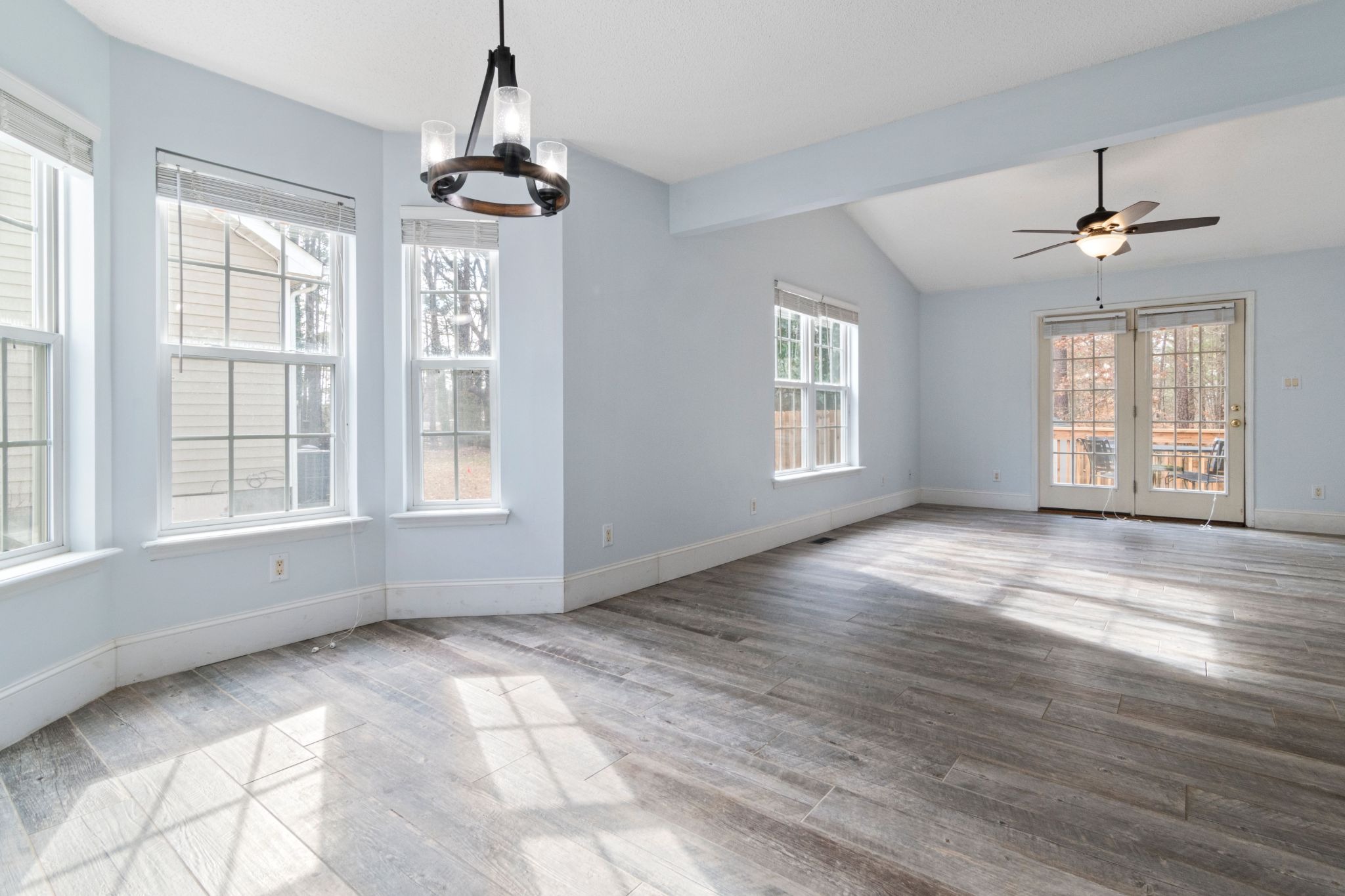
Your Floors Are Talking Before You Do
A buyer walks through the front door, looks around, and starts forming an opinion. Then their eyes drop. Think of flooring as part of the home's first impression, not a separate project sitting quietly below everything else. Scratched boards, tired carpet, cracked tile, or a patchwork of flooring can quietly change the entire mood of a home.
One Flooring Choice Can Change the Whole Showing
Flooring is easy to underestimate because it sits under everything else. A fresh kitchen can lose some of its shine when it meets stained carpet. A beautiful living room can feel less inviting when damaged boards run across the floor.
Sellers researching different ways to handle a property may encounter Salt & Light Property Solutions while considering their next move. The bigger point is simple: flooring should fit the home's condition, layout, and likely buyer expectations. A polished surface can support a strong presentation, while an expensive material may feel misplaced in a home that needs attention elsewhere.
Three Flooring Moves That Can Backfire
1. Playing Mix-and-Match Without a Plan
Different flooring materials can work beautifully when transitions feel intentional. Random changes can make a home look chopped into separate zones.
2. Chasing a Trend Too Hard
A dramatic floor may look fantastic in a design magazine and feel wrong in a typical resale home. Strong colors, busy patterns, or highly specific finishes can shrink the number of buyers who instantly picture themselves living there.
Neutral does not have to mean dull. Soft wood tones, clean tile, and understated finishes give furniture and decor room to breathe.
3. Covering Up Serious Wear
A quick cleaning can work wonders. It cannot erase deep stains, broken tiles, swollen boards, or flooring that has clearly reached the end of its useful life.
Visible damage may make buyers wonder what caused it. They may start thinking about moisture, poor installation, leaks, pets, or years of deferred exterior maintenance.
Pick Flooring With Each Room in Mind
There is no single winner for every room. Living areas and bedrooms often benefit from warm, durable surfaces that feel comfortable underfoot. Hardwood, engineered wood, quality laminate, and luxury vinyl can all work depending on the home and market.
Kitchens and bathrooms need a different approach. Moisture resistance, easy cleaning, and solid installation matter more than chasing a particular look. Ceramic and porcelain tile remain common choices, while waterproof flooring can work well in certain spaces.
Know When a Floor Needs More Than a Cleaning
Not every dated floor needs a replacement crew. Sometimes the smartest move is to clean, repair, refinish, or refresh what is already there.
Replacement becomes more reasonable when damage is widespread, stains are permanent, materials are failing, or several rooms look noticeably tired.
Run This Five-Minute Flooring Check
Before spending time or effort on a flooring project, walk through the home as if you have never seen it before.
Are there stains, cracks, lifted edges, or deep scratches?
Do flooring changes between rooms look intentional?
Does the color work with cabinets, walls, trim, and doors?
Can the surface handle the room's traffic and moisture?
Would cleaning or repair solve the problem?
Is the flooring noticeably older than the rest of the home?
Does the material fit the property's overall style?
Will the choice still look good in listing photos?
Buyers often see a home online before they ever step inside. A floor that photographs dingy or chaotic can weaken the first impression before a showing even begins.
Small Flooring Fixes Can Have Big Visual Impact
A seller does not always need a dramatic makeover. Sometimes the best improvement is the least glamorous one.
Do Not Let One Floor Hijack the Asking Price
Flooring can influence how buyers perceive a home, yet it does not work alone. Location, size, layout, condition, comparable properties, and current buyer demand all shape an asking price.
That is why the right flooring decision is rarely about choosing the most expensive material. It is about choosing a surface that looks appropriate, feels cared for, and makes sense alongside everything else in the house.
A tired floor can become a red flag. A clean, cohesive floor can quietly disappear into the background, which is often exactly what you want. Buyers get to notice the space, not wonder what it will take to fix it.
Common Questions
1. Should I replace flooring before listing?
Replace it when damage, stains, or heavy wear are obvious across important areas. If the flooring is dated yet clean and functional, cleaning or minor repairs may be enough.
2. Which flooring has broad buyer appeal?
Simple wood tones, neutral tile, and durable low-maintenance surfaces tend to give buyers flexibility. The right choice still depends on the home's style and local market.
3. Can new flooring raise a home's value?
Fresh flooring can improve presentation and reduce visible maintenance concerns. It does not guarantee a specific increase because many factors influence property value.
4. Is expensive flooring always a smart upgrade?
No. A premium material may look out of place if other parts of the property need attention. Flooring should feel consistent with the home's overall condition and design.
5. What should I check before choosing new flooring?
Look at durability, moisture exposure, color, room use, transitions, installation needs, and the condition of nearby surfaces. A cohesive choice usually creates a stronger presentation than a flashy one.