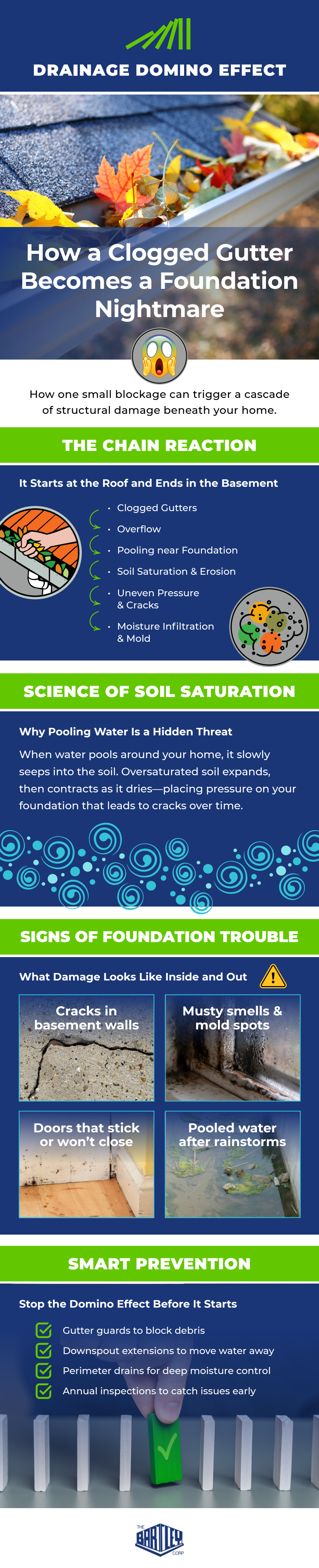



Gutters are easy to ignore. They sit out of sight and often out of mind. Yet when they stop working, the impact can move quickly from the roof to the ground below. For property managers, a clogged gutter is more than a minor maintenance issue. It can become a serious structural concern. Water that is not directed away from a building will always find another path. Over time, even small drainage problems can lead to larger and more expensive repairs.
How Blocked Gutters Redirect Water
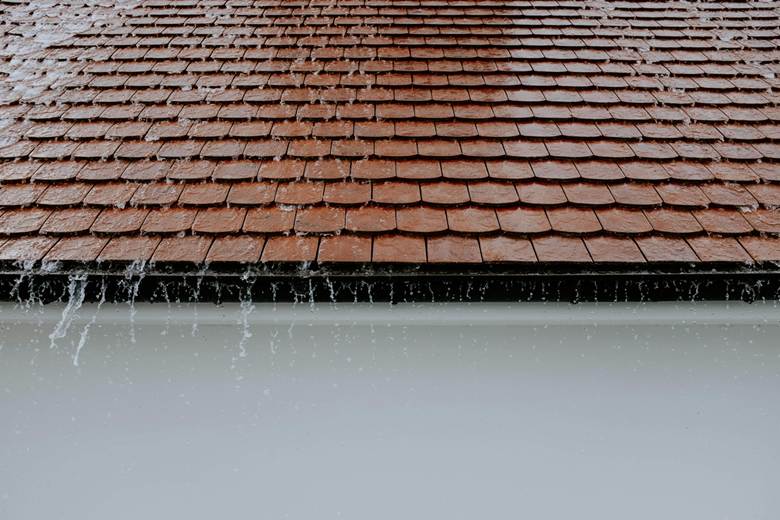
Gutters are designed to carry rainwater away from the roof and direct it safely to downspouts. When leaves, dirt, and debris build up, water cannot flow as intended. Instead, it spills over the edges.
This overflow often lands close to the base of the building. Over time, repeated exposure saturates the soil around the structure. The ground becomes softer and less stable.
Water may also run down exterior walls, leading to stains, mold growth, and surface damage. In colder climates, trapped water can freeze and expand, which adds further strain to the gutter system and surrounding areas.
Soil Saturation and Foundation Pressure
When soil absorbs too much water, it expands. As it dries, it contracts. This cycle places pressure on the foundation. Over time, that pressure can cause cracks and shifting.
This is especially important for residential concrete foundations, which rely on stable soil conditions to maintain their shape and strength. When the surrounding ground changes, the foundation may begin to move.
Small cracks can grow larger if the issue is not addressed. Doors and windows may start to stick, and floors can become uneven. These early warning signs are often missed until the damage becomes more visible.
Water Intrusion and Interior Damage
Excess water near the foundation increases the risk of leaks. It can seep into basements or crawl spaces through small openings. Even minor gaps can allow moisture to enter over time.
Once inside, water can damage insulation, flooring, and stored items. It can also create conditions for mold, which affects air quality and tenant comfort. Persistent moisture may also attract pests, which adds another layer of concern for property managers.
Long-Term Costs for Property Managers
Ignoring clogged gutters can lead to higher repair costs. What starts as routine maintenance may turn into structural work, interior repairs, and tenant complaints.
Regular inspections help prevent these issues. Cleaning gutters, checking downspouts, and confirming proper drainage can reduce risk. It is also important to make sure water is directed far enough away from the building. Documenting maintenance and scheduling seasonal checks can help keep systems in working order and reduce unexpected repairs.
Clogged gutters may seem minor, but their impact can extend far beyond the roof. When water is not managed properly, it affects soil, foundations, and interior spaces. For property managers, staying ahead of this issue helps avoid larger problems and supports long-term property stability. To learn more about the impact of clogged gutters on your home, feel free to look over the accompanying infographic below.