



I moved into my first home in Sydney and assumed it met current standards. Then a licensed electrician found a switchboard still running ceramic fuses from the 1970s, with no RCD protection.
That single discovery could have prevented an electrical fire. It also triggered three months of urgent fixes that should’ve been planned from day one.
If you’re a new homeowner or a small-portfolio landlord in NSW, QLD, or VIC, compliance isn’t uniform. Smoke alarm rules differ by state. Gas safety check intervals can be legislated. Pool barrier dimensions are exact.
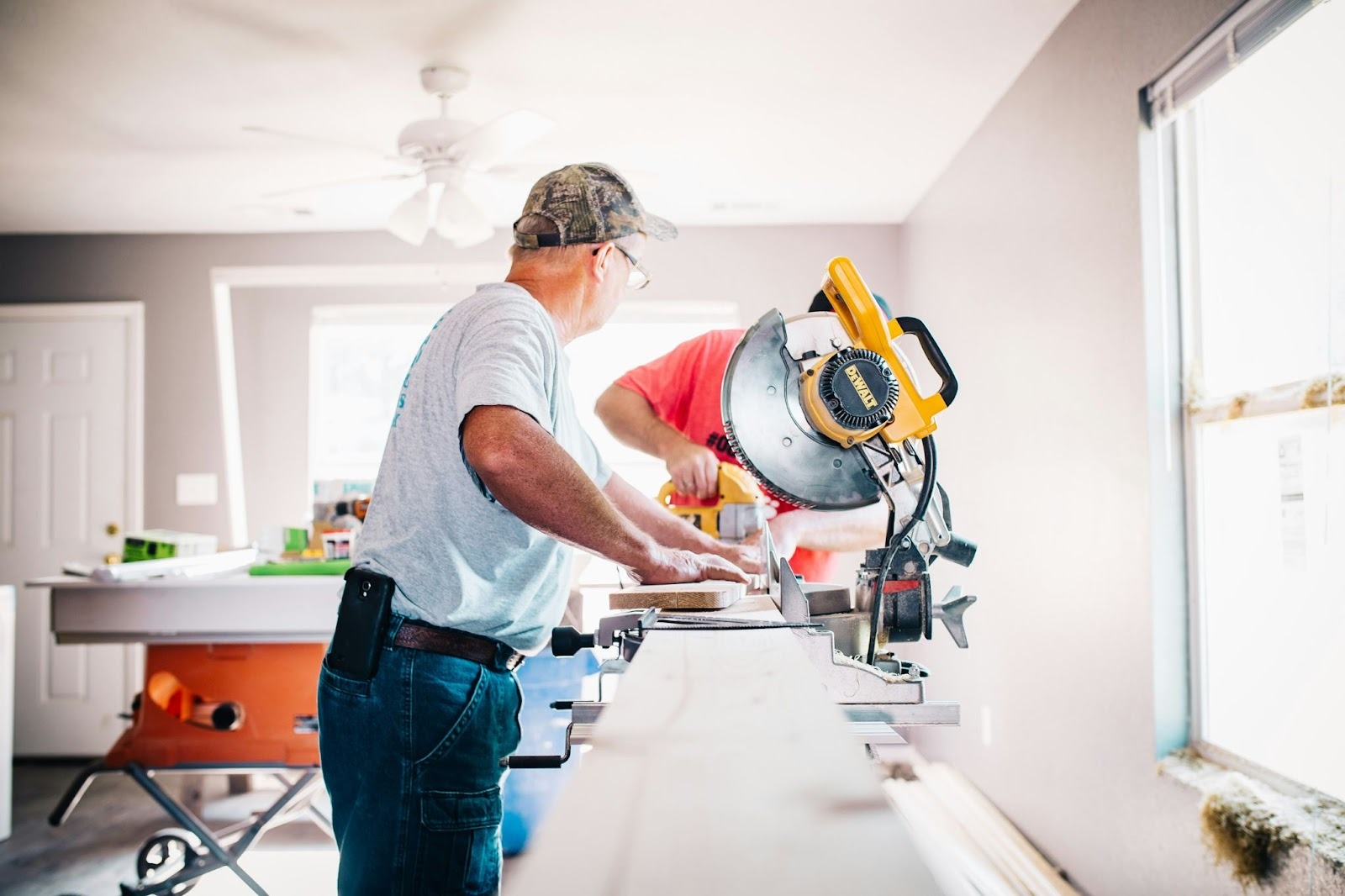
Use the next 90 days to get life-safety items compliant, lock in durable maintenance habits, and then pursue efficiency upgrades. Done in the right order, you’ll reduce risk, avoid rework, and build an owner file that stands up to insurers and tenancy disputes.
Front-load compliance now so you protect your household, your tenants, and your investment from the start.
Plan Your First 90 Days
Break the first three months into phases so critical tasks happen first and trades can be booked in a logical sequence.
Days 1 to 7: Audit every smoke alarm, confirm your exit paths, and verify your pool barrier if applicable. Photograph the switchboard, identify any safety switches (RCDs), and book a licensed electrician. If a heater service is overdue, schedule it now and don’t use the appliance until it’s checked. Document meter numbers and locate water, gas, and power shutoffs.
Days 8 to 30: Inspect for moisture and mould, then address the source, not just the surface. If the home predates 1990, screen for asbestos and lead before any drilling, sanding, or demolition. Upgrade showerheads and taps to WELS-rated fittings where required. Book a termite inspection and replace high-use lighting with LEDs.
Days 31 to 90: Add insulation and draught seals, then re-check ventilation and combustion safety. Fit deadlocks and window latches to meet state minimum standards. Set calendar reminders for annual smoke alarm servicing, quarterly RCD tests, pool barrier self-checks, and termite inspections. For rentals, align any mandatory electrical and gas checks with lease start dates.
Trades to book early include a licensed electrician, licensed gasfitter, licensed pest controller, pool compliance inspector, licensed asbestos assessor, and a waterproofing contractor if bathrooms, balconies, or retaining walls show water ingress.
First Time Buyers
Coordinating safety upgrades with your renovation timeline prevents rework and reduces extra callout fees.
If you’re mapping your first year of ownership, bring the electrical and compliance work forward, especially switchboard upgrades, smoke alarm placement, and any pool barrier fixes, before you close walls or start joinery. It’s easier and cheaper than undoing new finishes. To coordinate this with common build decisions and realistic timelines in Australia, see houses for first time buyers for a step-by-step primer.
Smoke Alarms: Placement, Testing, and Records
Correct alarm types, installed in the right locations, give you the earliest warning and the best chance of getting out safely.
In NSW, landlords must ensure working smoke alarms on each storey, test them annually, replace removable batteries every year, repair or replace faulty alarms within two business days, and replace units within 10 years of manufacture. QLD rentals require interconnected photoelectric smoke alarms compliant with AS 3786:2014 in every bedroom, in hallways that connect bedrooms, and on each level.
Placement matters. Avoid dead-air corners, and keep alarms away from steamy bathrooms and kitchens where nuisance alarms lead to unsafe “temporary” removals. If you’ve sealed drafts or improved insulation, re-check alarm audibility behind closed bedroom doors.
Keep a smoke alarm log with make, model, manufacture date, power source, and every test date. Store it with your entry condition report and share it with your property manager or tenants where applicable.
Electrical Safety: RCDs, Switchboards, and Safe Habits
A modern switchboard with RCD or RCBO protection is one of the highest-impact safety upgrades you can make.
An RCD is a residual current device that trips rapidly when electricity leaks to earth, which helps prevent fatal shocks. An RCBO combines RCD protection with overcurrent protection for a single circuit, which can reduce nuisance trips and improve fault-finding.
Victoria’s rental minimum standards require modern switchboards with circuit breakers and RCD, RCCB, or RCBO protection. In NSW, condition reports should record safety switches and visible electrical hazards. Electrical faults and appliances remain a material cause of residential fires, so treat unknown switchboard condition as urgent, not optional.
Ask your electrician to label every circuit, confirm earthing, and identify any heat-damaged cabling or overloaded circuits. Test RCDs quarterly using the test button and confirm power actually cuts. Replace cracked switch plates and loose outlets, and stop using any power point that feels hot or crackles.
Good habits matter too. Avoid piggybacking double-adapters on high-load appliances, keep outdoor extension leads off wet ground, and use RCD-protected power boards for temporary setups.
Gas Appliances and CO Safety
Regular servicing and correct ventilation reduce the risk of gas leaks and carbon monoxide exposure, especially after weather-sealing works.
Victorian rental providers must complete a licensed gasfitter safety check at least every two years and disclose the date of the last gas and electrical safety checks before a new lease. Even where it isn’t mandated, schedule heater servicing at least every two years, and sooner if the appliance is older, has been relocated, or shows any combustion issues.
CO is carbon monoxide, an odourless gas produced by incomplete combustion. Headaches, nausea, unusual fatigue, and symptoms that improve outdoors are warning signs that justify immediate checks. CO alarms certified to EN 50291 or UL 2034 can provide an extra layer of warning, but they don’t replace servicing or flue integrity checks.
Weather-sealing can also change airflow and pressure in a home, which matters for open-flued appliances. After major draught-proofing, ask your gasfitter to confirm the appliance is still operating safely.
For hot water, keep storage at 60 degrees Celsius or above to limit Legionella growth, and use tempering so bathroom outlets deliver 50 degrees or below where required by the National Construction Code.
Gas Leak Detection Services
When gas odours persist or a site has complex plant areas, dedicated detection can add another layer of control alongside routine servicing.
Where gas odours persist or a site has complex plant areas, it can be hard to confirm whether a leak is present between scheduled services, especially around meter enclosures, wall cavities, or rooms that are rarely entered. If you’re upgrading appliances, dedicated monitoring can also support safer shutdowns during maintenance. Consider professional gas leak detection services from ProDetec, which provides fixed detection systems designed for calibrated, continuous monitoring in locations like meter enclosures and plant rooms. Treat this as a supplement to licensed gasfitter work, not a substitute for it.
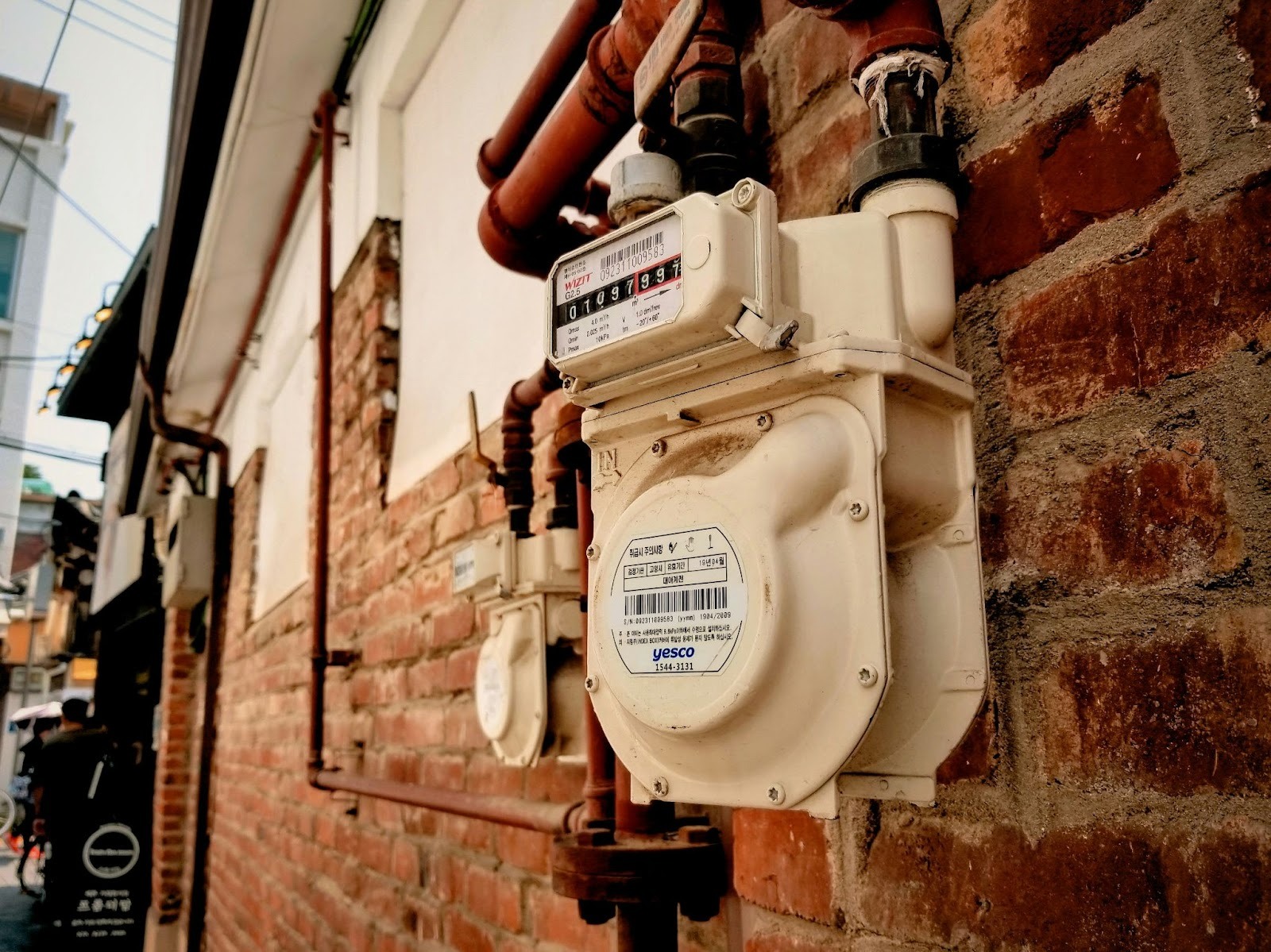
If you smell gas, don’t troubleshoot. Evacuate, avoid switches or flames, and call Triple Zero.
Water, Plumbing, and Efficiency
Water efficiency isn’t just about bills, it can affect whether you’re allowed to recover water usage charges in NSW rentals.
In NSW, landlords can only pass water usage charges to tenants if the property is separately metered and meets specific efficiency measures. These measures include dual-flush toilets with at least a three-star WELS rating by 23 March 2025 and maximum 9 litres per minute flow rates for showerheads and specified taps.
WELS is the Water Efficiency Labelling and Standards scheme, and the star rating is printed on packaging and product listings. Photograph the installed fittings, keep receipts, and note compliance in your condition report. While you’re there, fix slow leaks, check water pressure, and confirm the tempering valve is working as intended.
Pool and Spa Safety
Pool barriers only protect people when every gate, latch, and non-climbable zone is intact and used correctly.
In NSW, pool barriers must be at least 1.2 metres high internally. If a boundary fence forms part of the barrier, it must reach 1.8 metres. Maximum ground and vertical gaps are 100 millimetres. A 900-millimetre non-climbable zone is mandatory. Gates must self-close and self-latch, opening away from the pool.
Do a functional check, not just a visual one. Open the gate fully, let it swing, and confirm it latches from every position without being pulled shut. Remove climbable furniture, pot plants, and pool equipment from the barrier zone, and check for soil build-up that reduces effective barrier height.
Ensure your pool is registered and schedule inspections where required. Display a CPR chart if your council requires it, and keep a dated record of self-checks in your owner file.
Asbestos, Lead, and Legacy Hazards
If a home was built or renovated before 1990, treat unknown materials as suspect and plan testing before any cutting, sanding, or demolition.
All types of asbestos have been banned in Australia since 31 December 2003, but older stock still contains it in eaves, soffits, old vinyl tiles, flues, roof sheeting, and wet-area linings. Lead paint is another risk in older properties, particularly around windows and weatherboards where paint deteriorates from sun and friction.
Don’t rely on guesswork. Commission a pre-renovation asbestos survey, and use licensed removalists where required. For lead paint, manage intact coatings, and use containment and appropriate prep if repainting is needed. Keep reports, clearance certificates, and a simple hazard register with locations and dates.
Moisture, Ventilation, and Damp-Proofing
Fix the source of damp first, because mould remediation without moisture control is a repeat expense.
Landlords are typically responsible for mould caused by building defects or inadequate ventilation. Start with the basics: repair leaking taps and valves, clean gutters, fix flashing, and address subfloor drainage. Duct exhaust fans to the outside, not into the roof cavity, and confirm fans are sized for the room.
A cheap hygrometer can help you manage indoor humidity, with 40 to 60 percent as a practical target range. Dehumidifiers can stabilise a space short-term, but they shouldn’t be used to ignore a leaking shower, balcony, or roof issue.
Add a mould and moisture section to your condition report, and retain invoices and date-stamped photos of any rectification work. Clear records matter when responsibility is disputed.
Build a Wine Cellar Underground
Below-ground rooms can fail quickly without engineered waterproofing, drainage, and ventilation, so treat them as a specialist build, not a weekend project.
For a cellar or similar space, treat the project as a specialist build where engaging specialist property services, including waterproofing design and drainage planning, reduces the risk of expensive water ingress and mould. For guidance on waterproofing, ventilation, and structural considerations relevant to Sydney conditions and typical below-ground constraints, review how to build a wine cellar underground.
Timber Pests and Termites
Termites can cause serious damage before you see surface signs, so inspections need to be routine and documented.
The QBCC advises homeowners to hire a licensed pest controller for annual inspections and to maintain any termite management system as per the site notice. Keep slab edges visible, clear garden beds and mulch from weep holes, store timber away from the house, and fix moisture sources promptly.

Keep annual pest reports and treatment warranties, and set reminders for reinspections. If you renovate, confirm the termite management system hasn’t been compromised.
Security and Rental Minimum Standards
Minimum standards focus on making a rental safe, secure, and functional before a tenant moves in.
In Victoria, requirements include deadlocks on external entry doors, modern switchboards with RCD protection, and rooms free from mould and damp. Corded internal window coverings must have compliant safety devices by 1 December 2025. Queensland minimum housing standards require locks on external doors and windows, freedom from vermin, damp, and mould, adequate plumbing and electrical systems, and weatherproof structures. In NSW, premises must be reasonably secure, and each tenant must receive keys or fobs.
Practical upgrades include rekeying locks at settlement, checking window latches on every opening window, confirming garage remotes are wiped and re-paired, and adding sensor lighting to dark entries. Keep receipts and installation dates so you can prove upgrades were completed before tenancy start.
Energy-Smart Quick Wins
Simple upgrades like LED lighting and draught sealing cut running costs quickly and improve comfort without major renovations.
Replace halogens and incandescent bulbs first in kitchens, living rooms, and outdoor security lights. Draught-proof external doors and common leak points, which can materially reduce heat loss and improve heater and air-conditioner performance. When adding ceiling insulation, confirm clearances around downlights and use protective covers where required.
Keep receipts and photos to support future rental listings and sale disclosures. If you’re a landlord, document any changes that affect tenant responsibilities, such as filter cleaning schedules.
Record-Keeping and Owner Files
A clean owner file turns maintenance into a system, and it’s your evidence when something goes wrong.
Maintain compliance certificates for electrical and gas work, smoke alarm service logs, pool barrier reports, termite inspections, product manuals, warranties, and date-stamped photos. Keep a simple index with “what was done, by whom, and when,” plus invoice numbers.
Store everything digitally in a shared cloud folder with your property manager. For owner-occupiers, store it where your household can access it during an emergency.
Emergency Readiness
Preparation is basic risk management, and it’s cheaper than making decisions under stress.
Build a 72-hour kit and save emergency numbers. Call Triple Zero for life-threatening emergencies and the SES on 132 500 for flood or storm assistance.
Your kit should include water and food for three days, a first aid kit, torch, battery radio, essential medications, phone chargers, copies of IDs and insurance policies, cash, and pet supplies. Keep a fire blanket and extinguisher accessible in the kitchen, and only attempt first response if the fire is small and you can exit safely.
Agree on two exit routes, an external meeting point, and a contact process for tenants. Put shutoff instructions on the inside of the meter box door.
Your Annual Maintenance Calendar
A recurring schedule prevents small faults from becoming expensive failures and helps you prove compliance.
Monthly to quarterly: Visual checks for leaks and mould. Test RCDs. Clean bathroom and kitchen exhaust filters. Check pool gates for self-closing and self-latching.
Annually: Smoke alarm servicing, including NSW battery replacement where applicable. Termite inspection. Gutter and roof inspection. Pool barrier review. Insurance policy review. Seasonal preparation for bushfire smoke, heatwaves, and stormwater flow.
Biennially: Gas safety check for VIC rentals. Heater CO testing. HVAC servicing. Review water efficiency compliance and regulatory changes. Switchboard inspection where recommended by your electrician.
FAQ
These answers cover the compliance questions that most often delay early maintenance decisions.
Do I need CO alarms in my home?
CO alarms are a sensible secondary safeguard, but they don’t replace professional heater servicing. Choose units certified to EN 50291 or UL 2034 and place them near sleeping areas and rooms with gas appliances.
Can I pass water charges to tenants in NSW?
Only if the property is separately metered and meets efficiency measures, including dual-flush three-star toilets by 23 March 2025 and 9 litres per minute flow rates on specified taps and showerheads.
Are pool barrier measurements the same across Australia?
No. This checklist references NSW dimensions. Confirm requirements with your local council and the current edition of AS 1926.1 before you rely on any measurement.
How often should I inspect for termites?
At least annually, and more often in higher-risk areas such as parts of tropical Queensland. Follow the inspection frequency specified on your termite management system notice.
What proof do I need for VIC minimum standards?
Keep electrician compliance reports for switchboard and RCD upgrades, receipts for deadlocks and window covering safety devices, and documented evidence of any mould and damp rectification work.