



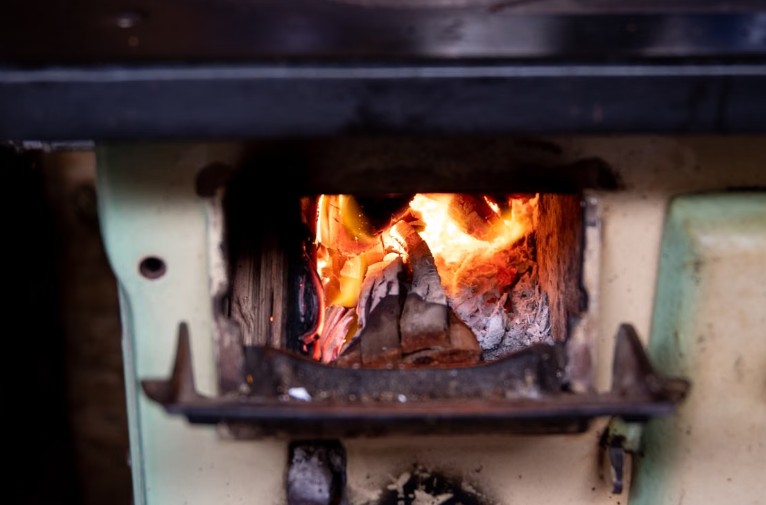
A broken furnace during a cold snap is every homeowner's worst nightmare.
It's 0 degrees out and your furnace decides to go on strike... You don't have time to waste. The longer your house is without heat, the more you put your family, pipes, and wallet at risk.
Here's the thing:
Many furnace failures occur during the worst time imaginable... when your system is strained and trying to keep up with unusually cold temperatures. Minor problems become major emergencies.
Here’s your ultimate guide on what to do if your furnace stops working in cold weather:
What's inside this guide:
Why Furnaces Break Down In Extreme Cold
First Steps When Your Furnace Quits
When To Call Emergency HVAC Repair Services
Safety Hazards You Can't Ignore
Simple Fixes To Try Before Calling A Pro
How To Prevent Future Breakdowns
Why Furnaces Break Down In Extreme Cold
Extreme cold rarely causes furnace breakdowns... It reveals pre-existing weaknesses.
When temperatures drop below 20°F outside, your furnace cycles on nearly continuously to heat your home. All that work causes stress on every component of the system - from the blower motor to the heat exchanger, to the burners and thermostat.
Common reasons furnaces fail during cold snaps:
Dirty air filters that block airflow
A worn-out blower motor under heavy strain
Frozen condensate lines in high-efficiency units
Faulty thermostats sending the wrong signals
Cracked heat exchangers (very dangerous)
Blocked vents or flue pipes
Millions of families throughout America experience furnace failures every year. Emergency calls increase during the first hard freeze.
First Steps When Your Furnace Quits
Don't panic just yet. Before you call anyone, run through a quick checklist.
Try these steps first:
Check your thermostat (is it set to "Heat" and turned up?)
Replace the batteries in the thermostat
Make sure the furnace power switch is "On"
Check the breaker panel for a tripped breaker
Look at the air filter -- replace it if it's dirty
Surprised how frequently a furnace "malfunction" is simply a dead thermostat battery or tripped switch? Oh wait... Your furnace STILL won't turn on? Time to call a professional.
When To Call Emergency HVAC Repair Services
Some furnace problems can wait until business hours. Others absolutely cannot.
Frozen pipes and hypothermia are real concerns once indoor temps dip below 50°F -- particularly for children, elderly family members, and pets. If your home is approaching that temperature, call an emergency HVAC repair service immediately. Local technicians offering emergency ac repair Indianapolis provide around the clock emergency furnace repair and get your heat running again, preventing the cold from wreaking havoc.
Call for emergency furnace repair if:
You smell gas or burning odours near the furnace
Your carbon monoxide alarm goes off
The furnace is making loud banging or screeching noises
Water is leaking around the unit
You have no heat and outside temps are below freezing
The furnace blows cold air for more than a minute
Don't try waiting it out. The longer your house is cold, the greater the risk of frozen pipes bursting and causing thousands in water damage.
Safety Hazards You Can't Ignore
This is the part most homeowners completely overlook... But it could save a life.
A malfunctioning furnace isn't merely an inconvenience -- it can be a life-threatening hazard. Cracked heat exchangers, clogged vents, and aging burners can all release carbon monoxide inside your home.
Why does that matter? Well, over 420 Americans die every year from carbon monoxide poisoning. Thousands more are sickened by the colorless, odorless gas each year. What's worse? 84% of CO poisoning deaths occur between September and April -- when furnaces are working overtime.
Get out of the house and call 911 if you notice:
Headaches or dizziness in multiple family members
Nausea or confusion that goes away when you leave the house
A "rotten egg" gas smell near the furnace
Your CO alarm going off
Do not ever operate a portable generator indoors, even in your garage. Also, do not heat your home with the oven. Both are leading causes of CO poisoning when your furnace goes out.
Simple Fixes To Try Before Calling A Pro
Some furnace issues have incredibly simple DIY solutions. If you know what to look for.
Quick fixes most homeowners can handle:
Replace a dirty air filter (the #1 cause of furnace shutdowns)
Reset the furnace at the breaker panel
Clear snow and ice off the outside vent pipe
Bleed air from radiators (for boiler systems)
Open any closed supply vents around the home
If your furnace is short cycling (turning on and off rapidly), start by checking the filter. Restricted airflow caused by a dirty filter will trip the safety switch and cut everything off.
Unless your fix requires nothing more than pushing a button, if you need to open the furnace cabinet, touch the gas line, or tamper with any electrical components...DON'T. Call a professional HVAC tech. It's NOT worth the risk to save a service call.
Pro tip: Always have an extra furnace filter handy during winter. Filters are inexpensive and can typically be replaced in 60 seconds or less.
How To Prevent Future Breakdowns
The best emergency furnace repair is the one you never need.
Routine maintenance can help prevent most furnace failures. The CPSC and CDC recommend annual furnace inspections in all homes for good reason.
A yearly furnace tune-up will:
Catch cracked heat exchangers before they leak CO
Clean burners and flame sensors for better efficiency
Test the blower motor and electrical components
Check the thermostat and safety switches
Spot worn parts before they fail in a cold snap
Have your system serviced in the fall before the first hard freeze. Most reliable HVAC companies will offer maintenance plans with yearly inspections at a discount.
Beyond yearly service, here are habits that keep your furnace running strong:
Change the air filter every 1-3 months
Keep vents and registers clear of furniture
Set the thermostat to a consistent temperature (big setbacks strain the system)
Insulate exposed pipes and attic spaces
Test CO and smoke detectors twice a year
It's the little things that count. They can significantly lower the probability of a distress call during extreme lows.
Final Thoughts
A furnace breaking down in freezing temps is nerve racking... Until you know EXACTLY what to do!
Try the simple solutions first. Look for WARNING labels that tell you to "evacuate and call for assistance immediately". Also, don't hesitate to call for professional assistance if the problem seems severe.
Let's face it: The homeowners who experience the least severe furnace emergencies are the ones who treat their heater like the life-support system it is when freezing temperatures hit. Preventative maintenance matters.
Stay warm out there.