



A winter cold snap shows weak heating faster than most home issues ever do. Tenants feel it in the back bedroom, the drafty hallway, and the noisy returns. Owners usually see it through more repair tickets, stressed residents, and tougher renewals.
Energy efficient heating helps rentals because it keeps comfort steadier and bills less surprising. It also tends to reduce the late night “no heat” calls that throw schedules off. In many homes, installing a heat pump ends up being the upgrade that makes the biggest day to day difference, especially where winters are real and summers still bite.
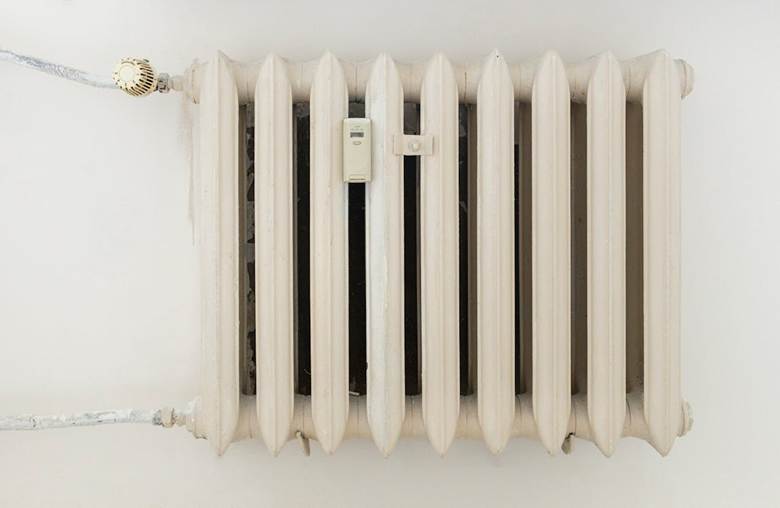
Why Heating Problems Hit Rentals Hard
Rental heating problems rarely stay small, because they touch basic comfort and daily routine. A system that struggles often leads to space heaters, flipped breakers, and annoyed texts to management. Even when the issue is fixable, it creates paperwork and back and forth that eats time.
Efficiency shows up in three places that matter for rentals: comfort, cost control, and fewer breakdowns. A system that holds temperature without constant cycling feels calmer to live with. Short cycling and long run times can add wear that turns into repeat repairs, so the pattern matters.
Heat pumps matter here because they move heat rather than creating it through burning fuel. Many modern units handle heating and cooling with the same equipment and the same thermostat logic. The U.S. Department of Energy breaks down heat pump basics, types, and typical use cases..
From a management angle, steady performance is easier to live with than peak numbers on paper. Tenants judge comfort by how the unit feels at 6 a.m. and 10 p.m., not by a label. When heating stays consistent, the “urgent” requests often slow down, and rent disputes tied to comfort show up less.
How Heat Pumps Help Owners And Tenants
Heat pumps earn their place in rentals when they reduce friction for everyone involved. Tenants notice quieter run times, fewer hot and cold pockets, and a steadier feel across rooms. Owners and managers usually notice fewer repeat tickets and fewer visits for the same comfort complaint.
Comfort That Holds Up During Peak Weather
In a rental, comfort is not a nice extra, it is the baseline expectation. A well sized heat pump can keep bedrooms, hallways, and open living areas closer to the same temperature. That consistency lowers thermostat battles, and it also makes space heaters feel less tempting.
The comfort piece also protects the home in quiet ways that owners appreciate later. Large swings in temperature and moisture can stress paint, trim, and flooring over time. When the system keeps things more even, the unit often looks better at turnover.
Fewer Emergency Calls And Less Wear On Equipment
A lot of emergency calls follow the same story. The system runs forever, then it shuts off, then it restarts, and then it gives up. When a heat pump is installed and set up crrectly, the run pattern often smooths out, and the system sounds less strained.
Filters and coils still matter, and maintenance still exists, but it tends to feel more predictable. A cleaner airflow path helps the unit reach set temperature without fighting itself. Over time, that can mean fewer after hours dispatches and fewer mid lease disruptions that upset everyone.
Clearer Budgeting For Owners And Smoother Utility Conversations
Even when tenants pay utilities, efficiency still affects retention and renewal decisions. A system that warms a unit without running nonstop can keep winter bills steadier. That helps reduce the tension that shows up when residents feel stuck between comfort and cost.
Owners also get a clearer story when the building performs in a consistent way. Fewer complaints usually means fewer concessions, fewer move outs for comfort reasons, and fewer surprise repairs. In rentals, those outcomes can matter as much as the energy line item.
Timing Upgrades Without Disrupting Leases
The easiest upgrades are the ones that fit the building and the leasing rhythm. Heat pump work goes more smoothly when access is simple and downtime stays short. When the schedule clashes with an active lease, even a good upgrade can feel disruptive.
A simple property check helps the whole project feel calmer. Insulation levels, duct condition, and electrical capacity set the guardrails early. In older homes, duct sealing and balancing can matter as much as the outdoor unit, because airflow is half the comfort story.
Responsibilities get clearer when they are talked through early. Tenants often handle day to day items like keeping vents clear and reporting issues fast. Owners handle equipment health, repairs, and service scheduling, and that split works best when it is written down.
Communication tends to work better when it is brief and practical. Tenants mainly want to know what will be offline, when someone will arrive, and how entry will be handled. When that is clear, the rest usually feels easier, and frustration stays lower.
Vacant units add flexibility, and that is one reason many owners time upgrades around turnover. Testing airflow, verifying drainage, and confirming both heating and cooling response is simpler with no one living there. That extra time often prevents the annoying “something feels off” calls after move in.
Budgeting For Heating Upgrades
Payback questions come up fast, because rental budgets have a lot competing for the same dollars. Heating efficiency often makes more sense as cost control plus risk reduction. Fewer emergency calls and fewer comfort disputes can protect income in ways bills do not always show.
The math also feels more honest when it uses repeatable numbers. Most owners do not need a complicated model to get clarity. A short set of inputs, tracked the same way each season, can show whether the upgrade is pulling its weight:
- Average winter repair tickets per unit
- After hours dispatch frequency and cost
- Typical vacancy days linked to no heat events
- Utility responsibility split, tenant paid or owner paid
- Seasonal maintenance cost per system
- Renewal rate and comfort complaint volume
Tax credits can also matter for some owners, and they can change the cash flow picture. The IRS lists details under the Energy Efficient Home Improvement Credit, including limits and what counts. Eligibility depends on the product and the tax year, so invoices and model numbers are worth keeping in one place. When the credit applies, it can help the upgrade feel less heavy on the budget.
Simple Takeaway For Rental Owners
Energy efficient heating tends to pay off in rentals when it feels like normal property upkeep, not a one time project. Turnover timing often makes the work easier, and it also keeps disruptions lower for residents. A heat pump that fits the building, plus basic maintenance habits and simple issue reporting, usually keeps comfort steadier through the season. Over a few winters, that often shows up as fewer complaints, fewer urgent calls, and fewer repairs that could have been avoided.