



As a rental property owner, you're focused on the big picture: getting the best return, finding reliable tenants, and making sure your investment grows. While updating interiors and screening tenants are key, the outside of your property is just as important, though often overlooked.
Ignoring the exterior can lead to many costly issues, from structural damage to legal problems. The first step is to understand the importance of preventative maintenance. When you treat your property's exterior as a key part of your investment plan, you can avoid surprises and protect your profits for years.
First Impressions and Attracting Quality Tenants
The exterior is the first thing potential tenants see. A neat lawn, clean siding, and well-kept landscaping immediately show that the property is cared for and professionally managed. This isn't just about looks; it tells prospective renters you're a responsible landlord who takes pride in your property. Good tenants often look for a place that feels safe, clean, and well-maintained, and they're usually willing to pay for it.
On the other hand, a neglected exterior is a big red flag. Overgrown weeds, peeling paint, or a messy yard might suggest the inside is also neglected or that the landlord is slow to respond to maintenance. This can turn away the tenants you want, leaving you with fewer applicants and possibly longer vacancies. A well-maintained exterior sets a standard from day one, helping you get tenants who are more likely to take care of the property themselves.
Preventative Care for Structural Integrity
Your property's exterior is the first defense against weather. Regular checks and maintenance are vital for keeping its structure sound and stopping small problems from becoming major disasters. For example, clogged gutters can cause rainwater to overflow and seep into the roof, fascia, and even the foundation, leading to wood rot and water damage. Cleaning gutters twice a year can prevent thousands of dollars in repairs.
Landscaping also plays a big part. Overgrown trees with branches hanging over the roof can scrape away shingles in high winds or drop limbs that cause direct damage. Tree roots can be even more destructive, potentially cracking foundations, driveways, and underground pipes. Sometimes, proactive tree removal is the safest and most cost-effective way to protect your investment's core structure. Also, making sure the ground slopes away from the foundation is crucial for good drainage, preventing water from pooling and undermining the building's base.
Mitigating Safety Hazards and Reducing Liability
As a landlord, you need to provide a safe home for your tenants. The exterior of your property has many potential liability risks if it's not maintained properly. Cracked sidewalks, uneven patio stones, or broken steps can easily cause trips and falls, leading to injuries and potential lawsuits. You must regularly inspect walkways and stairs.
Other common hazards include:
Poor Lighting: Not enough light around entryways, parking areas, and walkways can create security risks and increase the chance of accidents at night. Make sure all exterior lights work, and think about adding motion-sensor lights in key spots.
Unstable Railings: Handrails on decks, porches, and outdoor stairs must be secure. A wobbly or rotten railing can break under pressure, causing serious injury.
Pest Infestations: Rotting wood, standing water, and unsealed gaps in the exterior can attract pests like termites, ants, and rodents. These pests can cause significant damage and create an unhealthy living environment for your tenants. Sealing entry points and fixing moisture problems are key preventative steps.
By dealing with these safety concerns proactively, you not only protect your tenants but also shield yourself from expensive liability issues and possible increases in your insurance premiums.
Extend the Lifespan of Key Exterior Components
Many exterior parts of a home have a limited lifespan, but regular maintenance can make them last much longer. Siding, paint, decks, and fences are constantly exposed to sun, rain, and temperature changes. Without proper care, they wear out faster, forcing you to pay for expensive replacements sooner than you should.
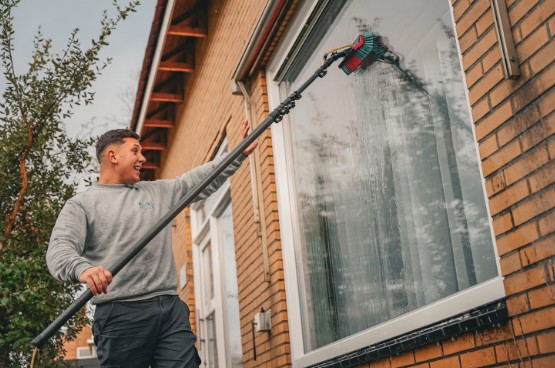
For instance, a fresh coat of paint or stain doesn't just make things look better; it creates a protective barrier that seals wood and other materials from moisture and UV damage. Power washing siding every year removes dirt, mold, and mildew that can degrade the material over time.
For wooden decks and fences, regularly sealing or staining them prevents rot and warping, adding years to their use. These routine tasks are much cheaper than a full replacement. A new roof can cost tens of thousands of dollars, but keeping it clear of debris and replacing a few damaged shingles can help it last its full expected lifespan.
Creating a Maintenance Schedule That Works
The secret to good exterior maintenance is being consistent, not trying to do too much at once. Trying to tackle everything at once can feel overwhelming and expensive. Instead, create a simple, year-round maintenance schedule that breaks tasks down by season.
A basic seasonal checklist might look like this:
Spring: Check the roof for winter damage, clean gutters and downspouts, power wash siding and decks, and look for any drainage problems as the ground thaws. This is also a good time to service lawn equipment.
Summer: Focus on landscaping, including pruning trees and shrubs. Inspect and repair decks, fences, and walkways. Check for signs of pests and deal with them quickly.
Fall: Clean gutters again after leaves have fallen. Inspect and seal any gaps in windows, doors, and foundations to get ready for winter. Winterize sprinkler systems and outdoor faucets.
Winter: Keep walkways and driveways clear of snow and ice. Watch for ice dams on the roof, especially after heavy snowfall.
This structured approach helps ensure nothing is missed. Focusing on the most important tasks first helps you apply an 80/20 rule to your efforts, where a small amount of consistent work prevents most major problems in rental property maintenance.
Ultimately, seeing exterior maintenance as a key part of your investment strategy protects your property's value and directly helps your financial success. It's a proactive step that pays off with happier tenants, lower repair costs, and a healthier bottom line.





