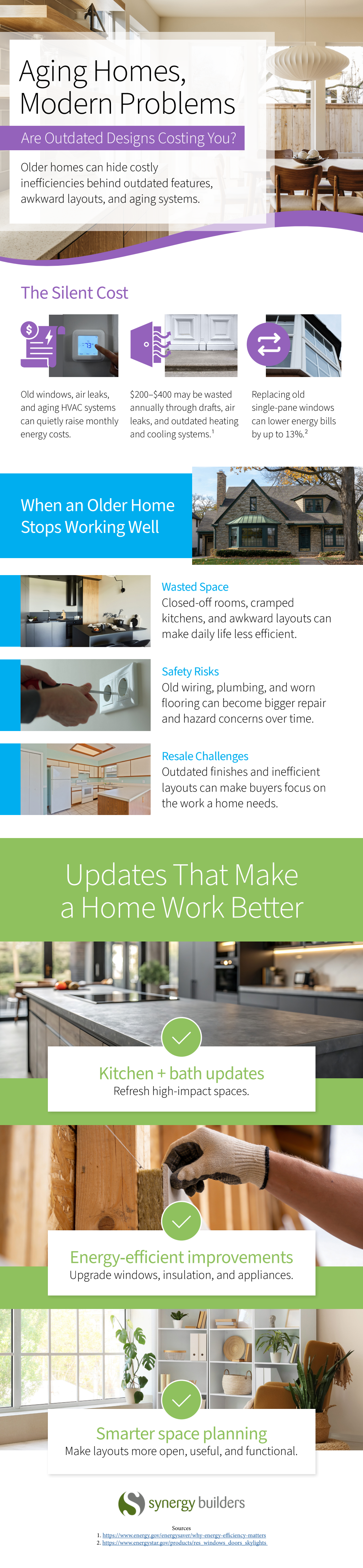



A property’s design influences far more than its appearance. Outdated layouts, aging finishes, and inefficient use of space can reduce buyer interest, discourage prospective tenants, and increase the amount of time a property remains on the market. Even when a building is well maintained, older design choices may create the impression that additional updates or repairs are needed. For property owners and managers, recognizing these issues early can help protect long-term value while improving the overall appeal of the property.
Rather than waiting for a major renovation, making strategic improvements over time often provides better financial results and keeps a property competitive in a changing market.
First Impressions Shape Perceived Value
The exterior of a property creates expectations before anyone steps inside. Faded paint, worn siding, outdated light fixtures, damaged walkways, or neglected landscaping can affect how buyers and tenants view the rest of the home or building.
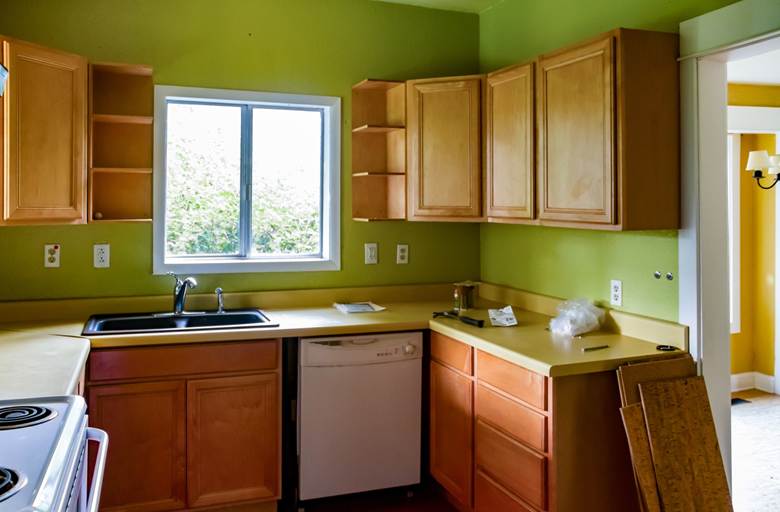
Interior spaces have an equally important impact. Older flooring, dark color palettes, popcorn ceilings, dated cabinetry, and worn countertops can make rooms feel smaller and less inviting. Even simple updates such as fresh paint, modern hardware, improved lighting, and updated trim can create a cleaner, brighter appearance without requiring a complete renovation.
These cosmetic improvements often influence how people perceive the overall condition of the property, even if structural systems remain unchanged.
Outdated Layouts Can Limit Functionality
Many older homes and buildings were designed around lifestyles that no longer reflect how people use their spaces today. Small kitchens, closed floor plans, limited storage, and isolated living areas may reduce functionality for modern occupants.
Property owners should evaluate whether rooms still serve practical purposes. Opening sightlines between living areas, improving storage solutions, or creating flexible spaces for remote work can significantly increase usability. Multipurpose rooms are especially attractive because they allow occupants to adapt spaces as their needs change over time.
Improving functionality often delivers value beyond appearance because it enhances the everyday experience of living or working within the property.
Make Better Use of Underutilized Areas
Unused areas frequently represent missed opportunities. Basements, bonus rooms, and unfinished spaces can often be transformed into valuable living areas that increase both functionality and market appeal.
For example, basement remodeling can convert underused square footage into a family room, home office, guest suite, fitness area, or entertainment space. Expanding usable living space within the existing structure is often more practical than building an addition while making the property more attractive to future buyers or tenants.
Before beginning any renovation, property owners should consider how the updated space will support both current needs and future resale value.
Modern Features Help Reduce Long-Term Costs
Design updates are not only about aesthetics. Replacing aging fixtures, installing energy-efficient lighting, improving insulation, updating windows, and selecting durable flooring materials can lower maintenance requirements while reducing operating expenses over time.
Choosing timeless finishes instead of short-lived design trends also helps properties remain appealing for a longer period. Neutral color schemes, quality materials, and practical layouts generally require fewer updates and appeal to a broader audience.
Regular property evaluations allow owners to identify aging features before they begin affecting occupancy rates or resale potential.
Keeping a property current requires thoughtful planning rather than constant remodeling. Prioritizing improvements that increase functionality, enhance visual appeal, and reduce maintenance costs helps owners protect their investment over the long term. Small, well-planned updates completed over time often have a greater impact than waiting until outdated features begin affecting a property’s value or marketability.
Infographic Embed Code: