



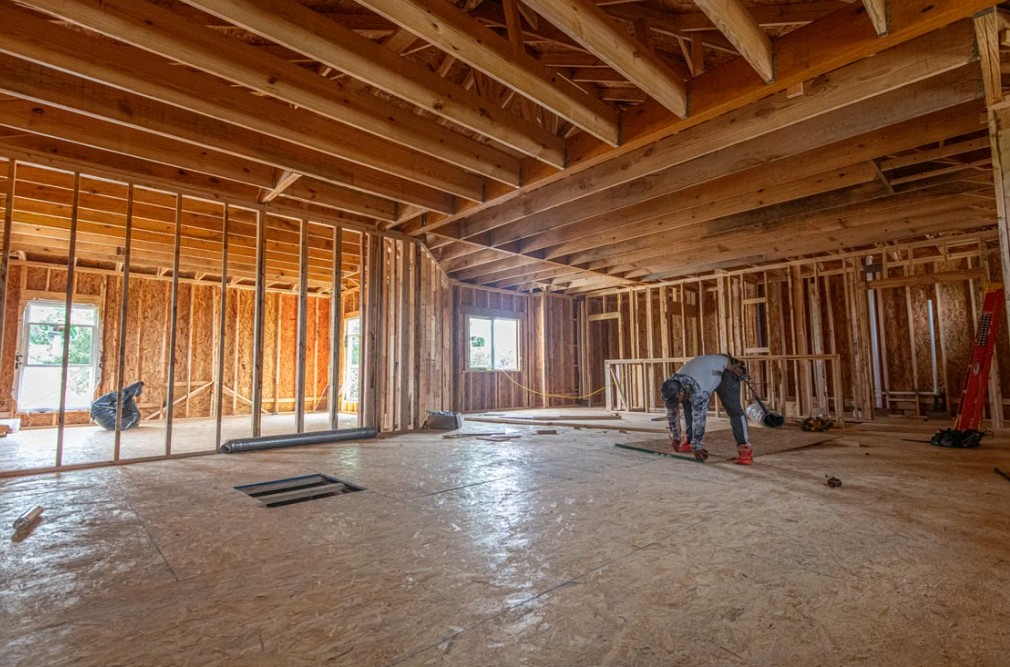
A building can be well constructed and still become difficult to maintain, adapt, or operate over time. Many of the decisions that shape those outcomes happen long before construction begins.
That makes preconstruction more than a budgeting and scheduling exercise. Teams can use Building Information Modeling (BIM), AI, digital models, and environmental data to identify coordination issues and test future scenarios. Connected project platforms can also help teams plan for maintenance and preserve useful project information.
The goal isn’t to guarantee a longer building life. It’s to make better-informed decisions that can help a property stay functional, adaptable, and maintainable as conditions change.
What to Consider When Planning Construction
Technology works best when it supports clear lifecycle goals. Before choosing tools, project teams should first consider what the property may need years after completion.
Plan for Future Adaptability
Tenant needs, workplace layouts, building technology, and property uses can change. A design that works well today may need to support a different setup later. Preconstruction teams can plan for:
Flexible layouts that can accommodate changing tenant needs
Accessible equipment areas that make future replacement easier
Infrastructure capacity for new technology or building systems
Adaptable spaces that can support different uses over time
That matters in a property market where demand can shift between asset types. A recent Yahoo Finance report by Jordan B. noted that the U.S. property recovery was broadening beyond data centers. Office, industrial, and multifamily properties were also showing renewed activity.
For owners and developers, that kind of market movement is a reminder to consider how properties can respond to changing uses and demand. Preconstruction is a good time to build that flexibility into the plan.
Identify Coordination Problems Early
A clash found in a digital model is usually easier to fix than one discovered in the field. Architectural, structural, mechanical, electrical, and plumbing systems all compete for space, so even small conflicts can create expensive problems once construction begins.
BIM gives teams a shared view of those systems. Clash detection can flag conflicts before crews have to resolve them on site. Technology doesn’t eliminate professional judgment, but it can give architects, engineers, contractors, and owners better information before decisions become harder to change.
Design With Maintenance and Replacement in Mind
Not every building component has the same useful life. A structural system may remain serviceable for decades, while HVAC equipment, controls, finishes, and technology systems may need replacement much sooner.
That makes maintainability an important part of long-term performance. Teams should think about how technicians will access equipment, replace components, and work around occupied spaces. A property can use durable materials and still become difficult to operate if routine maintenance was overlooked during design.
Account for Site and Environmental Conditions
Climate, water exposure, drainage, local weather patterns, energy requirements, and site conditions can all influence design decisions. These factors must also fit the property’s intended use.
Digital tools can help teams bring more environmental and project data into early analysis. They can also make it easier to compare different design assumptions before construction. The goal isn’t to predict every future condition. It’s to catch avoidable blind spots early.
Preserve Project Information for Building Operations
Useful project information shouldn’t disappear when construction ends. Facility and property teams may later need details about equipment, spaces, systems, specifications, and maintenance requirements.
A structured digital handoff can make that information easier to find and use. When project data remains compatible with facility-management and building systems, it can continue supporting decisions long after the original construction team has moved on.
Technologies Supporting Long-Term Property Performance
Once lifecycle priorities are clear, technology can help teams address them more systematically.
Use BIM and AI to Catch Problems Before Construction
Preconstruction teams deal with a lot of information. Drawings, estimates, specifications, schedules, revisions, and historical project data all have to come together before work begins. BIM provides a shared digital view of the project, while AI can help analyze and organize large volumes of information. That combination can support earlier identification of conflicts, changes, cost issues, and other potential risks.
The challenge is making that information usable, not simply collecting more of it. As teams manage more project data, AI preconstruction software can help organize relevant information. It can also surface details that might otherwise take significant manual effort to find.
A January 2026 Construction Dive report identified estimating capacity as a major preconstruction bottleneck, noting that manual material takeoffs can consume a significant share of the bid cycle. It highlighted AI's potential to handle repetitive work such as quantity takeoffs, drawing revision tracking, and addenda rework. The report also stressed that estimators still need to handle pricing strategy, scope clarity, and risk analysis.
Use Digital Models to Evaluate Future Scenarios
Digital twins and other data-rich models can help teams explore possible future conditions before committing to a design. Teams can compare layouts, evaluate equipment access, consider future technology needs, or see how a space could support different uses.
AI can add another layer by helping teams work through the large amount of information behind those scenarios. Oracle points to AI-assisted design and planning, including analysis of 3D models, MEP plans, schedules, and cost information.
These capabilities can help teams compare design options and flag potential issues before construction begins. Oracle also recommends reviewing AI-generated estimates and insights rather than treating them as final answers. That makes these tools most useful as scenario-planning aids, not precise predictions of how a building will perform decades from now.
Improve Construction Consistency With Off-Site Fabrication
Prefabrication and modular construction move some work into controlled production environments. When paired with digital takeoffs, coordinated models, and automated fabrication, these approaches can improve repeatability and installation planning.
They can also reduce some weather-related variability and limit the amount of work that has to happen in crowded field conditions. But prefabrication doesn’t automatically guarantee greater durability. Material selection, design, installation quality, and maintenance still matter.
Carry Preconstruction Data Into Building Operations
Cloud platforms and structured digital documentation can help carry project information from planning into operations. Connected building systems can then use relevant data for monitoring, maintenance, and operational decisions.
The real value comes from keeping that information useful after construction. If data gets trapped in disconnected files or becomes outdated during handoff, many of the benefits of digital preconstruction disappear.
Crucial Considerations for Implementation
Technology alone doesn’t create better lifecycle outcomes. The way teams organize, validate, and use information matters just as much.
Standardize Data Before Handoff
BIM and project data need to work with the systems that facility and property teams will use later. Set data standards and ownership rules early. Clear naming conventions and handoff requirements can also keep useful information from getting buried.
ConCntric notes that preconstruction teams often have valuable project data already available, but its usefulness depends on how easily teams can find and apply the right context. Keeping estimates, drawings, project decisions, and historical information organized can make that data more useful across future projects.
Balance Lifecycle Goals Against Upfront Costs
Long-term performance doesn’t mean choosing the most expensive option for every component. Teams should weigh upfront costs against expected maintenance, replacement, flexibility, energy use, and operational needs. The better question is where extra spending can deliver real value over the property’s useful life.
Keep Digital and Field Teams Connected
A digital model is only useful if it reflects what is actually happening on the project. Field changes need to be captured, reviewed, and added to the project record. Cloud collaboration tools can help keep plans, specifications, revisions, and project information synchronized. That reduces the risk of teams making decisions from outdated information.
Choose Technology Around the Problem, Not the Hype
Start with the problem rather than the technology. Before choosing a technology, ask:
What information is hard to find?
Where are delays happening?
Which decisions need better visibility?
Does the technology fit existing workflows?
A 2026 Forbes Business Council article makes a similar point about commercial real estate technology. It argues that generic tools can miss industry-specific edge cases that can consume time and create risk. The broader lesson is simple: technology should address meaningful inefficiencies rather than automate tasks just for the sake of automation.
Use Realistic Environmental and Operational Assumptions
AI and simulation tools are only as useful as the information behind them. Teams should use relevant site, climate, occupancy, and operational data and understand the limits of forecasts. Assumptions should also be revisited as project conditions change. Technology should improve decision-making, not create false confidence.
Frequently Asked Questions
What is the biggest mistake made during the preconstruction data handoff?
Failing to standardize data formats can create problems later. If preconstruction BIM data isn’t compatible with the property manager’s facility management software, important building information can become difficult to access or use. Clear data standards and handoff requirements help preserve its value after construction ends.
Does designing for a 50+ year lifecycle drastically increase upfront costs?
Not necessarily. Long-term planning doesn’t always require more expensive materials. Teams can focus on structural geometry, modular placement, accessibility, and flexible infrastructure. Thoughtful design decisions can make future repairs, replacements, and renovations easier without significantly increasing upfront material costs.
How do we prevent siloed communication between preconstruction tech teams and field contractors?
Use a cloud-integrated project platform that both teams can access. Field teams should record relevant changes as work progresses, while project teams should keep drawings, specifications, revisions, and decisions synchronized. This helps the as-built digital model remain accurate and reduces decisions based on outdated project information.
How can teams measure whether preconstruction technology is improving long-term performance?
Teams can track indicators such as fewer coordination issues, less rework, smoother data handoffs, and easier access to project information. Over time, they can also evaluate maintenance planning, replacement decisions, and operational efficiency. The goal is to connect technology use with measurable improvements across the property lifecycle.
Key Insights
Property adaptability | Office, industrial, and multifamily properties are showing renewed activity as the U.S. property recovery broadens beyond data centers. |
Preconstruction data | BIM brings drawings, estimates, specifications, schedules, revisions, and historical project data into a shared digital view. |
AI in estimating | AI can support repetitive preconstruction tasks such as quantity takeoffs, drawing revision tracking, and addenda rework. |
Digital scenario planning | AI-assisted tools can analyze 3D models, MEP plans, schedules, and cost information to compare design options. |
Lifecycle planning | Long-term performance depends on adaptability, maintainability, environmental conditions, and preserving project information after construction. |
Performance measurement | Teams can track fewer coordination issues, less rework, smoother data handoffs, and easier access to project information. |
Preconstruction is more than estimating costs and producing construction documents. It’s where teams can start addressing coordination, adaptability, maintainability, environmental conditions, and the long-term usefulness of project information.
Technology can make that work more connected and data-driven. BIM can improve coordination, AI can help analyze complex information, and digital models can support scenario planning. Structured project data can also remain useful once the building moves into operations.
The goal isn’t a property that never changes. It’s a property that can perform, adapt, and remain maintainable as conditions change. Tech-driven preconstruction gives owners and project teams a better opportunity to plan for that future before construction begins.