



How to Choose Security Systems: What to Ask Before You Sign a Monitoring Contract

Quick Answer
Choosing the right security systems starts with three questions: who owns the equipment after installation, how quickly the monitoring centre verifies and dispatches alarms, and what the exact cancellation terms look like in writing. Confirm the panel is non-proprietary, request documented response-time benchmarks, and review the contract length carefully. These details matter far more than camera resolution or app design.
Introduction
Most homeowners shopping for residential protection focus on the wrong details. They compare sticker prices, count cameras, and watch demo videos of mobile apps, yet the real value of any security system purchase lives inside the monitoring contract and the equipment ownership terms. Glossy brochures rarely mention what happens when a sensor fails three years in, or how a central station handles a verified intrusion at 3 a.m.
The reality is that household alarm performance depends on signal pathways, verification procedures, and the service standards behind the panel on your wall. Reputable security systems providers like Supreme Security publish their response benchmarks and explain ownership clearly before paperwork comes out, which is the kind of transparency you should expect from any residential monitoring provider you consider.
What You Are Actually Paying For Each Month
Before evaluating any company, it helps to understand what a household contract truly covers. A residential setup is two distinct products fused into one monthly bill. The first is physical hardware, meaning the control panel, sensors, sirens, and cameras. The second is the service layer, which covers the central station staff who receive signals and coordinate dispatch. Confusing the two is the most common buyer mistake.
The Hardware Layer Versus the Service Layer
The panel is the brain of the installation, and most modern units run on encrypted two-way radio frequency protocols with cellular backup. Hardware quality varies across manufacturers, yet service quality varies even more. Premium hardware paired with a slow central station produces poor outcomes during real events.
Communication Pathways and Signal Reliability
Older installations relied on landline phone connections, which are now considered obsolete due to copper line decommissioning across the country. Current best practice uses dual-path communication, combining cellular and broadband channels so an outage on one route never blinds the central station. The result is faster verification and fewer missed events during storms or grid disruptions.
Ownership Models You Should Recognize Before Buying
Equipment ownership terms shape your long-term costs more than any monthly fee. The three common arrangements are:
- Owned outright: You pay for hardware up front and keep it regardless of the provider.
- Leased: The vendor retains ownership and may remove or disable units after cancellation.
- Financed: You pay over time, with full ownership transferring once the term closes.
Each model carries different cancellation consequences, so request the ownership classification in writing before installation day.
Contract Clauses Worth Studying Before You Sign
The agreement is where most buyers lose leverage. Once it is signed, the terms govern everything from response speed to early exit penalties, so the questions you raise during the quote stage matter far more than the demo you watched online.
Response Times and Verification Procedures
Industry benchmarks set by ULC-listed central stations require alarm signal handling within 30 to 60 seconds of receipt. Verification varies, with some operators using video confirmation while others rely on two-call procedures before dispatching authorities. Faster is not always better if it produces false dispatches, so the right question is how the operator balances speed with accuracy.
Contract Length, Cancellation, and Hidden Fees
Most agreements run 36 months, though shorter terms exist for buyers willing to pay slightly higher monthly rates. Watch for auto-renewal clauses, which can lock you into another full cycle if you miss a 30-day cancellation window. Many security monitoring companies bury these clauses near the signature line.
Contract Feature | Buyer Friendly Terms | Red Flag Terms |
Minimum Term | 12 to 24 months | 60-month lock-in |
Cancellation Notice | 30 days written | 90 days plus penalty |
Auto Renewal | Month-to-month after term | Another full multi-year cycle |
Relocation Policy | Free transfer or release | Full balance owed |
Equipment Compatibility and Future Upgrades
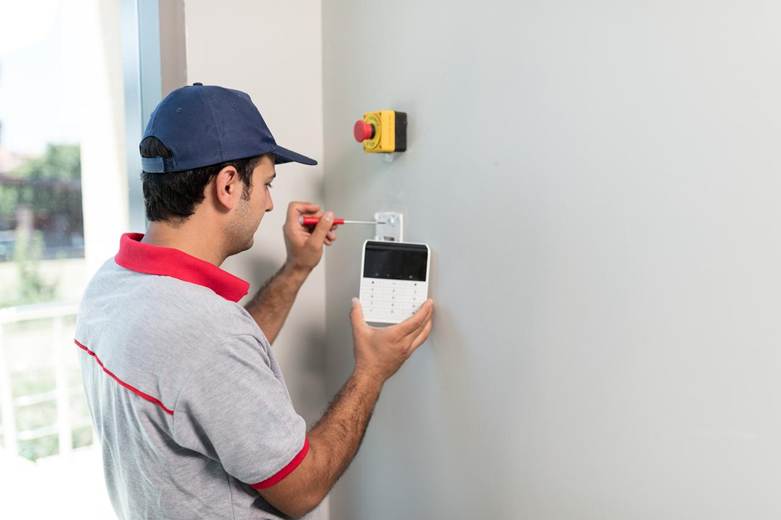
The largest source of buyer regret involves proprietary panel locking. Certain vendors program their hardware so it becomes unusable with any competing service. Always confirm the panel model is non-proprietary, meaning any licensed firm can reprogram it later.
In practice, the providers worth shortlisting will answer these questions plainly and supply documentation without hesitation.
Protecting Your Investment Beyond the Initial Install
A signed agreement is only the starting point. Installations that genuinely perform over a decade are those backed by disciplined upkeep, scalable design, and a vendor stable enough to honour its commitments years after the salesperson has moved on.
Maintenance Schedules and Battery Lifecycles
Sealed lead-acid backup batteries inside control panels typically last 3 to 5 years, while sensor lithium cells average 5 to 7 years, depending on activation frequency. Skipping these replacements is the leading cause of preventable failures during power outages. A credible vendor schedules annual inspections that cover signal strength, sensor sensitivity, and tamper switch functionality.
Scalability for Smart Home Integration
Modern panels support integration with lighting, locks, thermostats, and video doorbells through Z-Wave or Zigbee protocols. Before adding accessories, confirm the panel firmware supports current device standards and that the mobile app still receives regular updates from the manufacturer.
Vetting Long-Term Vendor Stability
The residential protection industry sees frequent consolidation, with smaller operators absorbed by national chains every year. Ownership changes often alter pricing, service quality, and equipment policies. Before committing, verify:
- Years in operation under current ownership
- ULC or equivalent central station certification
- Independent customer reviews from the past 18 months
- Local technician availability for service calls
The reality is that an alarm monitoring security system delivers value only when the company behind it remains accountable for the full contract term. Asking sharper questions during the shortlist phase and confirming answers in writing is the most reliable method of how to choose security system protection that genuinely lasts.
Final Considerations for Choosing Security Systems Wisely
Smart buyers treat the contract, not the camera count, as the centre of their decision. Confirm hardware ownership in writing, carefully review cancellation and renewal clauses, and verify the central station's certification before committing. The right systems are those backed by transparent terms, dual-path communication, and a vendor accountable for service years after the install day.