



A fence can quietly change how a rental performs. It can make a listing stand out to pet owners, give families a reason to renew and define the outdoor space so tenants know what is theirs to use and care for. It can also become a recurring maintenance headache if the wrong material goes in.
For owners building a portfolio, whether in the Charlotte area or in other growing markets, these are the main questions to work through before adding or replacing a fence.
Know What the Fence Needs to Do
Start with purpose. The answer shapes everything else.
Pet friendly appeal. A secure yard is often a deciding factor for renters with dogs. Gaps under the fence and weak gate latches are the usual escape routes, so details matter.
Privacy. Homes on busy streets or close to neighbors can feel more livable with privacy fencing.
Boundaries. A simple fence makes it clear where the yard ends, which can help with lawn care responsibilities and neighbor relations.
Safety around water. Pools and spas typically come with specific barrier requirements, so they deserve separate attention.
Compare Materials With Maintenance in Mind
Owner-occupants may enjoy restaining a fence on a spring weekend. Rental owners usually want fewer service calls.
Wood
Cedar and pine are common, affordable and attractive. Wood needs periodic staining or sealing, and boards and posts can warp or rot over time if moisture is a problem. A well-built wood fence can still be a smart choice, especially when it is inspected regularly.
Vinyl
Vinyl does not need painting or staining and resists moisture and insects. Cleaning is usually just soap and water. Its higher upfront cost can be offset by lower upkeep over the years.
Chain Link
Galvanized or vinyl-coated chain link is durable, practical for pets and easy to repair in sections. It does not provide privacy, though slats or landscaping can soften the look.
Ornamental Steel or Aluminum
Ornamental fencing adds curb appeal to front yards and works well around pools. Rust-resistant finishes help it hold up. It offers an open look rather than privacy.
Think About the Full Life of the Fence
The initial price is only part of the picture. When comparing options, consider:
Expected upkeep. How often will it need staining, cleaning or board replacement?
Repairability. Can a damaged section be replaced without redoing the whole run?
Weather in your market. Storms, heavy rain, heat and freeze cycles all affect how materials age.
Tenant wear. Gates on rentals get heavy use. Strong posts and quality hardware help prevent sagging.
Set Clear Expectations in the Lease
A fence works best when tenants know what is expected. Many owners and managers address:
Who handles minor upkeep, such as clearing vegetation along the fence
How tenants should report damage, including after storms
Whether tenants may attach anything to the fence or paint it
How gates should be kept closed if pets are present
A property manager can help put these expectations in writing and include fence checks in regular inspections.
Inspect Between Tenants
Turnover is a natural time to look closely at the fence. A short walk along the fence line can catch problems before the next tenant moves in.
Push gently on posts to check for leaning or movement
Open and close every gate and test each latch
Look for loose, cracked or missing boards and pickets
Check the bottom of the fence for gaps where pets could dig out
Note any vines, shrubs or soil piled against the fence
Small repairs made between tenants are usually quicker and cheaper than larger fixes made after a complaint.
Check Rules and Property Lines First
Cities, counties and homeowners associations often have rules for fence height, placement, materials and appearance, and pool barriers usually have their own standards. Before installing, check with the local permitting office and any HOA. If there is uncertainty about the property line, a licensed surveyor can confirm it. It is also worth asking your insurance agent how a fence or pool enclosure fits with your coverage.
Owning Rentals in Northwest Arkansas
Many investors buy rentals in markets far from home, including growing regions like Northwest Arkansas, and rely on local contractors to handle projects they cannot oversee in person.
ECG Fence is a locally owned fence company based in Bentonville that has worked in the area since 2017. It installs, repairs and replaces wood, chain link, ornamental steel and aluminum, vinyl and farm fencing, and also offers gates, post replacement, storm damage repair, staining and sealing, and removal and haul-off of old fences. Its service area covers Bentonville, Bella Vista, Rogers, Centerton, Springdale, Lowell, Fayetteville and Farmington. To reach ECG Fence, call (479) 259-2385 or see where they work around Bentonville.
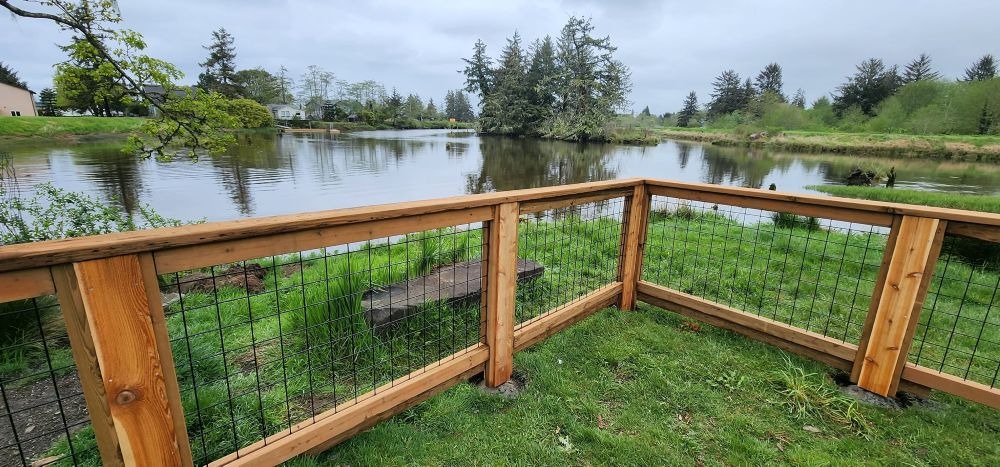
A cedar and wire farm fence, one of the styles ECG Fence installs.
For rentals in the Charlotte area or other regions, the same checklist applies when speaking with any local installer.
Frequently Asked Questions
Is a fence worth adding to a rental?
It often helps with pet owners and families, but the value depends on the property, the neighborhood and the local rental market.
What fence material is easiest for a landlord to maintain?
Vinyl and chain link generally need the least upkeep, while wood offers a classic look with more maintenance.
Who is responsible for fence repairs in a rental?
That depends on your lease and local rules. A property manager or attorney can help you set clear terms.
A Fence That Serves the Investment
The right rental fence balances tenant appeal with long-term upkeep. Planning around purpose, materials, lease terms and local rules helps the fence support the property for years instead of creating extra calls.