



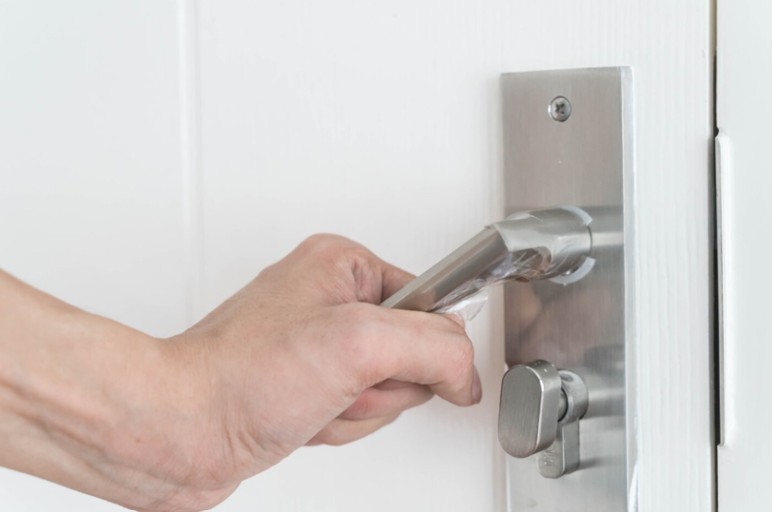
Selecting interior door hardware may seem easy until you begin comparing styles, finish, size, and functionality. Something that appears to be a handle on the Internet might not fit your door or the room where you want to put it. You can also opt to have a locking feature in case you only require easy access between shared spaces. These minor errors may have an aesthetic impact as well as a practical impact.
The answer is to think about the functionality of every door and then concentrate on the design. Passage hardware is designed to fit interior doors that do not require a lock, including closets, corridors, pantries, and connecting rooms. By checking the door, room, finish, and hardware specifications, you can choose more appropriately.
The five points listed below can assist in making a practical decision.
1. Match Knob Style with Interior Design
When selecting a passage door knob, start with your home’s overall style. Your doors, furniture, fixtures, and other interior details should be complemented by door hardware. An inappropriate design may result in the space appearing less aligned.
Next, there is the form of the hardware. The slim profiles may fit into modern or minimalist interiors. Rounded designs can be more compatible with softer, classic spaces. Passage hardware is also available in cylindrical, tapered, rectangular, and geometric designs.
Lastly, consider uniformity throughout your house. When multiple doors can be seen in a particular location, other designs can be designed more symmetrically. It is possible to blend styles, although they must have certain similarities.
2. Select a Finish That Complements Décor
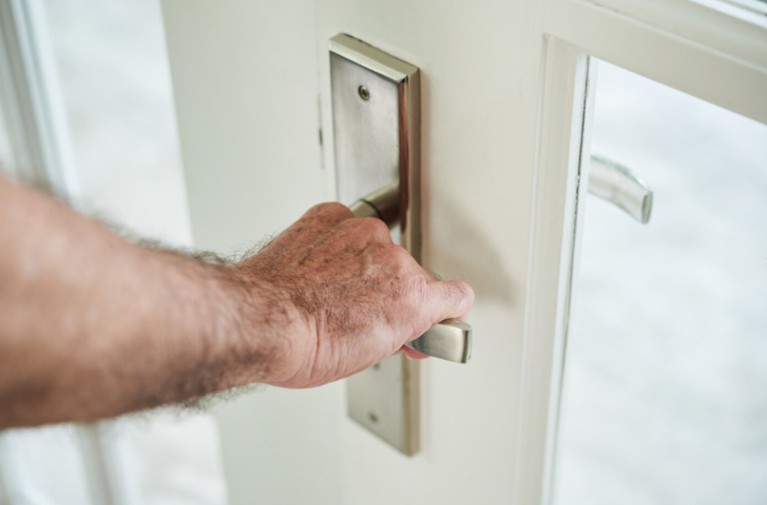
Once you choose a suitable shape, consider the finish. It should work well with other details in your room. Look at your cabinet pulls, faucets, lighting, and furniture accents.
Matte black can suit modern interiors with a bold look. Brushed nickel offers a simple option for modern and transitional spaces. Chrome creates a bright, clean appearance. Champagne brushed gold adds warmth to your interior.
Still, avoid choosing a finish only because it is trending. Instead, check the finishes already used in the room. Matching warm or cool tones can create a more balanced look.
If you are updating several doors, consider using one finish throughout. This can create a consistent appearance across closets, hallways, and pantries.
3. Check Door Compatibility and Fit
Appearance should not come before compatibility. Before ordering passage hardware, check your door’s thickness, bore hole, and backset. These measurements determine whether the hardware will fit your existing door without unnecessary modifications.
Standard U.S. interior doors commonly measure between 1 3/8 and 1 3/4 inches thick. Standard bore holes are generally 2 1/8 inches, while common backsets measure 2 3/8 or 2 3/4 inches. Adjustable latches can accommodate both backset sizes on compatible hardware.
If you are replacing existing hardware, measure the door rather than assuming it meets standard dimensions. This is especially important with older, custom, or previously modified doors.
You should also check whether the hardware works with your door’s handing and installation requirements. Reversible passage levers, for example, can work with left- or right-hand doors, which gives you more flexibility during installation.
4. Consider Grip and Everyday Function

Passage hardware is designed for interior doors where privacy or locking is not required. That makes function just as important as appearance. Think about how often you will use the door and who will operate it.
Hallways, closets, pantries, laundry rooms, living areas, and connecting interior spaces are common applications for passage hardware. These areas benefit from a simple mechanism that allows the door to open and close freely without a locking function.
You should also consider the difference between a knob and a lever. A knob requires a twisting motion, while a lever operates by pressing it downward. Levers can be easier to operate when your hands are occupied or when you have limited grip strength.
Most importantly, do not use passage hardware where privacy is necessary. Bedrooms and bathrooms typically require privacy hardware, while exterior doors need appropriate entry hardware with locking security.
5. Prioritize Quality for Long-Term Use
After narrowing down the style, finish, and fit, look at construction and installation details. Interior door hardware is handled frequently, so it needs to withstand regular use without becoming difficult to operate or loose over time.
Look for features that support reliable installation and everyday performance. A concealed-mount design can provide a cleaner appearance by keeping mounting screws out of sight. Complete installation hardware can also make replacement projects more straightforward.
Consider the number of doors you need to update as well. If you are replacing hardware throughout your home, purchasing matching sets can simplify the process and help maintain a consistent appearance.
Finally, review the product specifications before purchasing. Check dimensions, finish availability, included components, and installation requirements. Taking these details into account can help you avoid buying hardware that looks suitable but does not meet your home's practical needs.
Conclusion
Choosing passage hardware becomes easier when you focus on function before appearance. First, make sure the door does not require privacy or a lock. Then, consider the hardware style, finish, dimensions, grip, and installation requirements.
You should also check your existing door measurements before placing an order, especially if the door is older or customized. When these details work together, your new hardware can provide convenient operation while complementing your interior design.
A careful selection process also helps you create consistency across hallways, closets, pantries, and other shared spaces without compromising everyday functionality.