



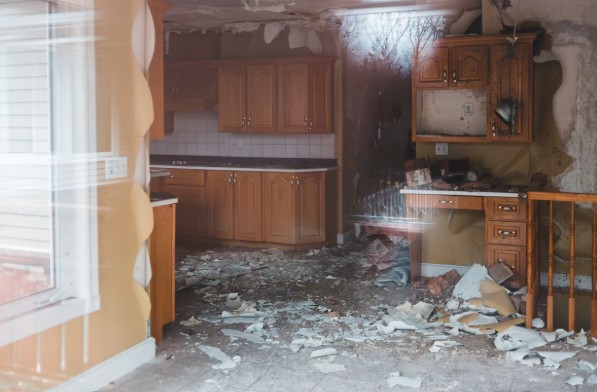
A sudden pipe burst or ceiling leak turns any peaceful evening into chaos. Water spreads across floors within minutes, ruining furniture and creating dangerous hazards in your home.
Taking quick action minimizes property destruction and protects personal possessions. Tenants must follow specific steps to secure their living space and notify property owners without delay. Knowing your rights makes navigating this stress much easier.
Shut Off Main Water Line Immediately
Locating the main shut-off valve remains the top priority during an active flood. Calling emergency restoration experts right away helps contain structural harm before standing liquid penetrates deep into subfloors. Stopping the source stops further accumulation and keeps safety hazards from escalating.
Most apartment buildings place shut-off valves under sinks, behind toilets, or near water heaters. Turn valves clockwise to cut off supply lines completely. If individual fixtures lack dedicated valves, access the main building line near the meter.
Leaking pipes continue flooding room spaces until water pressure drops. Unplug nearby electronics before reaching into standing pools near outlets. Staying calm allows you to execute these steps swiftly.
Contact Property Management Right Away
Landlords need immediate notification when plumbing failures happen. Send a text or email alongside a phone call so written records exist. Written proof establishes precise timelines regarding when problems were reported.
Describe exact locations of active leaks along with affected rooms. Property managers need clear details to dispatch plumbing technicians or cleanup teams fast. Keep notes on exact call times and names of staff members contacted.
If landlords fail to respond after 1 hour during major emergencies, contact municipal housing hotlines. Documenting every phone attempt builds a solid record for lease protection. Prompt communication prevents disputes over repairs later on.
Safeguard Electrical Systems And Belongings
Water mixed with active electrical circuits poses severe shock hazards. Shut down main breaker switches at the circuit box if standing pools approach outlets. Never touch circuit breakers with wet hands or while standing in wet areas.
Elevate valuable items like electronics, rugs, and furniture onto dry counters or tables. Federal disaster response guidance advises taking photos or videos of every damaged item and saving all cleaning receipts before beginning recovery work. Detailed photographic evidence helps insurance claims move forward smoothly.
Move cardboard boxes off closet floors to prevent cardboard saturated with moisture from disintegrating. Separating damp items from dry areas prevents cross-contamination across rooms. Open interior doors to encourage airflow throughout affected spaces.
Track Water Cleanup Steps Systematically
Documenting physical damage protects tenants from unfair security deposit deductions. Clear evidence shows leaseholders took reasonable care during crises. Follow a systematic process to document every detail:
Record video walkthroughs showing water depth and spread across every room.
Take close-up photos showing ruined personal possessions, walls, and flooring.
Log times when property management received initial notices.
Store receipts for emergency items bought out of pocket, like buckets or wet vacuums.
Sharing this evidence with renters insurance adjusters speeds up claims processing. Keeping digital copies saved on cloud storage guarantees records stay safe if phones suffer damage. Thorough documentation eliminates guesswork for claims agents.
Know Landlord Responsibilities Under Lease Agreements
Tenants often wonder who pays for structural repairs and utility expenses during drying procedures. Official housing standards regulations state that property owners must maintain premises in reasonable condition, covering expenses for property drying and electricity costs incurred during restoration. Landlords must handle structural fixes, wall repairs, and building sanitation.
Renters insurance typically covers personal belongings like furniture, clothing, and electronics. Landlord policies protect building structures rather than tenant possessions inside units. Review your policy details to see if temporary relocation costs receive coverage.
Request rent reductions if water issues render portions of apartments unlivable. State housing laws require property owners to provide habitable living conditions throughout tenancy terms. Written requests for rent adjustments should cite specific uninhabitable square footage.
Prevent Mold Growth Through Airflow Control
Mold spores begin multiplying on damp drywall and carpet underlayment within 24 to 48 hours. Drying out structures quickly stops spore growth before severe mold problems set in. Open windows if outdoor humidity stays low to allow damp air to escape.
Set up floor fans and dehumidifiers to pull moisture out of structural materials. Run equipment continuously for 3 to 4 days until moisture meters confirm low readings. Removing excess humidity keeps indoor air clean and breathable.
Avoid pulling up soaked carpet padding without approval from property managers. Improper handling creates dispute risks regarding lease terms. Let professional crews handle heavy structural demolition and moisture removal.
Navigating unexpected flooding requires rapid action, proper documentation, and clear communication with property managers. Taking these steps protects personal safety, reduces property loss, and preserves tenant rights throughout recovery.
By keeping clear records and following standard safety practices, tenants reduce financial stress while restoring comfortable living conditions. Staying informed turns a chaotic situation into a manageable recovery process.