



When it comes to pool lighting, you must follow the standard code requirements provided by the National Electrical Code Article 680.
There are key requirements to follow, which help to keep your pool safe, whether that’s providing adequate brightness or the use of licensed professionals.
Meeting residential pool codes helps to keep your pool safe, and it ensures that you’re meeting all the rules and requirements to avoid getting into trouble.
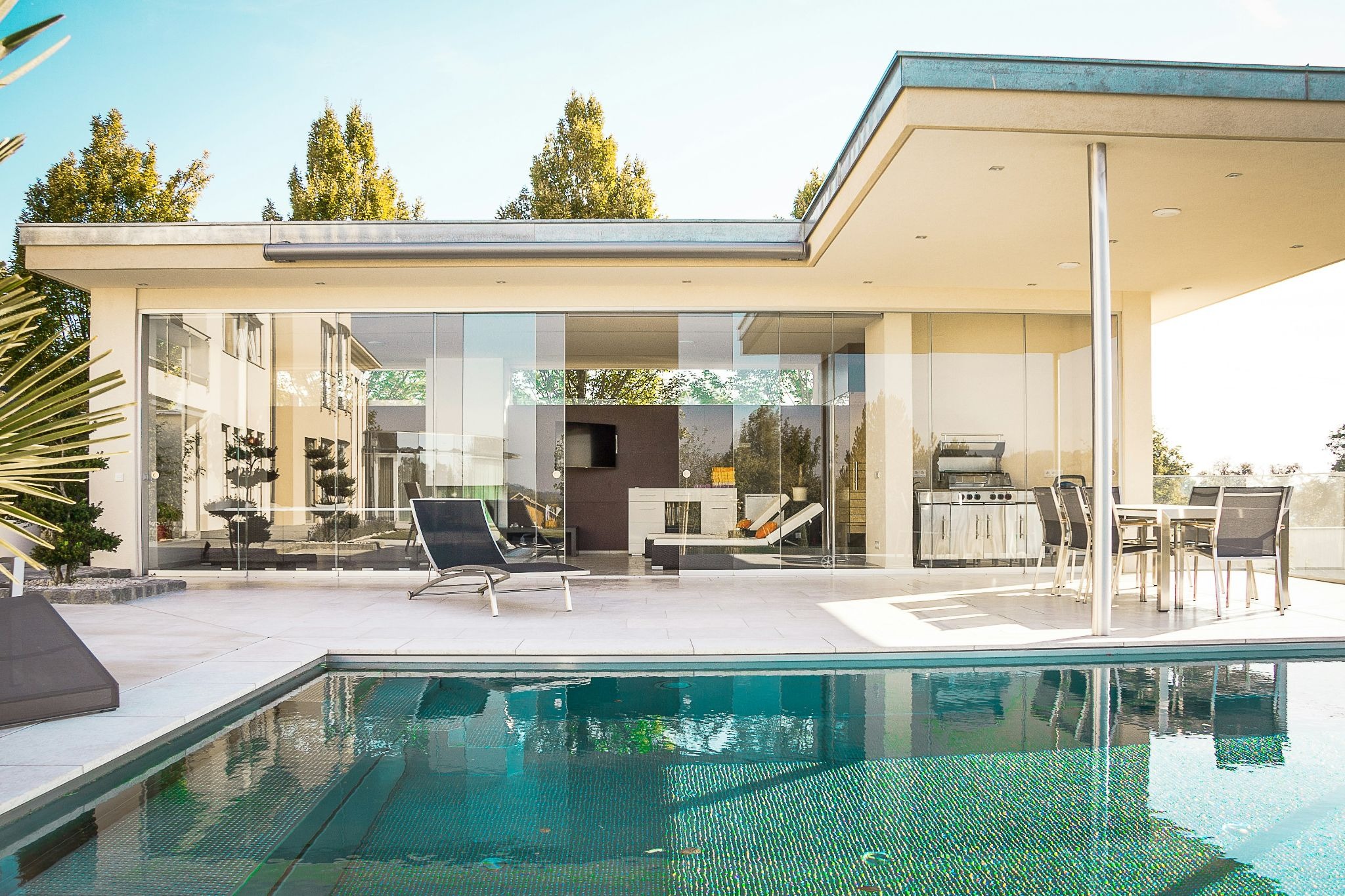
Key Requirements for Compliance
There are several key requirements to be aware of when it comes to meeting pool lighting codes. These include the following:
GFCI Protection
All pool lights, particularly those on 120-volt systems, should be protected by a Ground-Fault Circuit-Interrupter (GFCI).
It helps in preventing fatal electrocution by instantly shutting off power if the electricity were to leak into the water. Any fault in underwater lights can cause the pool to be charged and create a severe danger to swimmers.
Voltage and Installation
Submerged lights should be UL-listed (IP68) and securely installed. It usually also requires specialised corrosion-resistant niches.
Distance Requirements
When it comes to distance requirements for overhead lights, luminaries will need to be at least twelve feet above the water level or 7.5 feet if they have GFCI protection.
The use of junction boxes requires at least four inches above the deck level and eight inches above the water level.
Illumination Levels
Some areas will require that the lighting provide enough brightness in order to see the entire pool floor. For example, some may need at least 0.6 watts per square foot of deck area.
Steps to Take to Meet Codes
To meet these pool lighting code requirements, there are some steps to take so that your pool can be used safely by the household and any guests you have over.
Check local codes
The first step in checking pool lighting code requirements is to contact your local building department. They will provide you with specific requirements beyond the NEC, as these may vary slightly depending on where you live.
Use proper equipment
When it comes to ensuring proper installation, you should be using the right equipment. Install IP68-rated, corrosion-resistant lighting fixtures to ensure you meet the standards necessary.
Use licensed professionals
Only licensed electricians experienced with electrical code requirements for swimming pools and spas should be allowed to handle the wiring.
Inspection
You’ll want to ensure the installation passes the electrical inspection before you even use the pool for the first time.
These steps are incredibly important to make a pool as safe as possible. It’s good to be knowledgeable about your relevant pool lighting code guide in relation to where you live and what codes are in place.
This not only protects your pool but also protects you legally, should you be in an unfortunate situation where someone gets injured due to your pool not adhering to the right codes set by your local governing body.
Regardless of how often your residential pool is used, it’s essential that it meets all the relevant codes necessary.





