



The Kitchen ROI Report: Why Strategic Countertop Upgrades Can Increase Rental Property Value
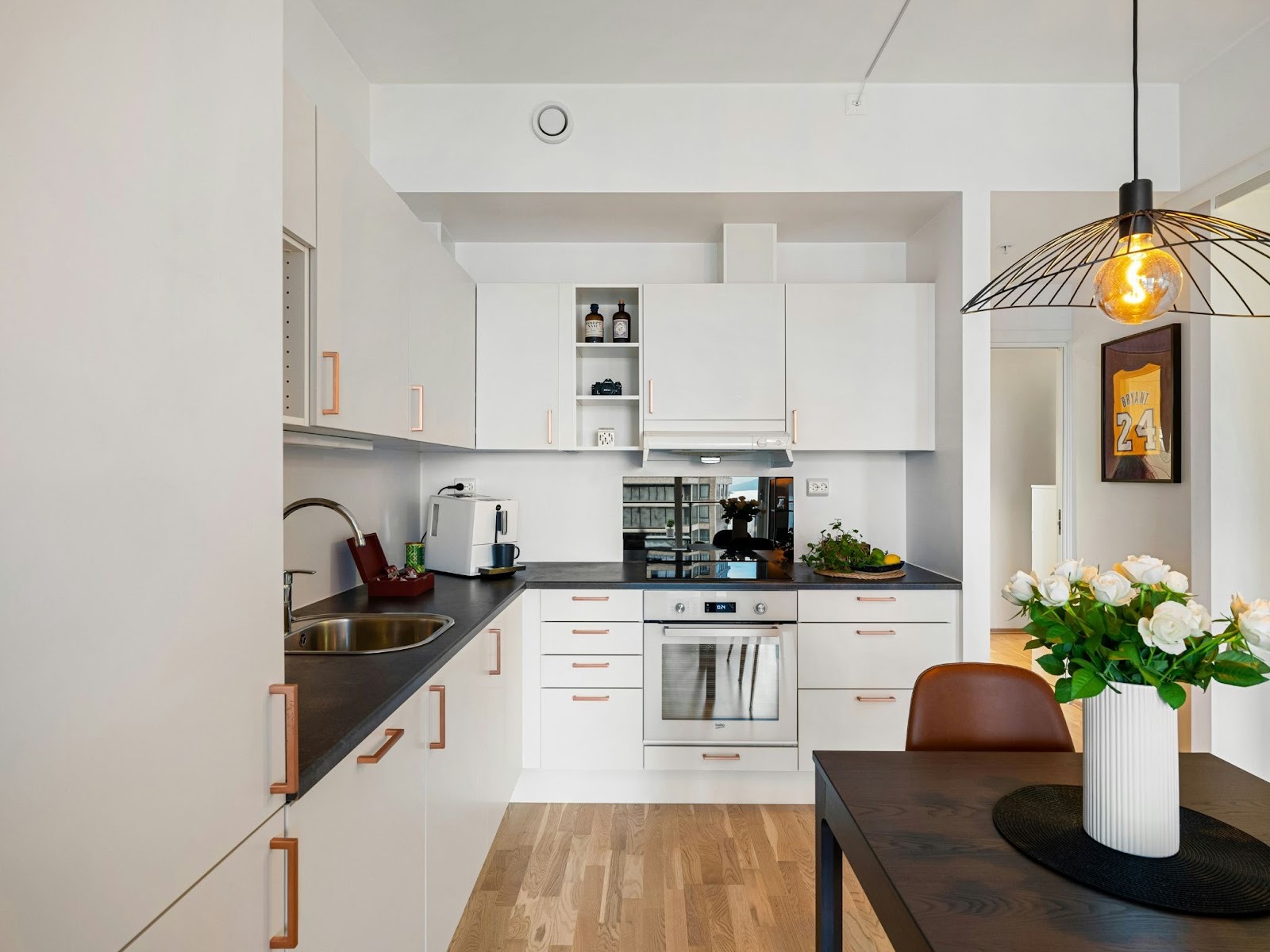
The kitchen tends to be the first room prospective tenants examine closely when touring a rental, and it often plays an outsized role in their final decision. That does not mean landlords need to undertake a full remodel to make an impression.
In many cases, replacing worn or dated countertops during a vacancy can meaningfully improve how a unit is perceived, without the cost or disruption of a broader renovation.
This guide looks at what the data says about countertop upgrades in rental contexts, how different materials compare, and what landlords should consider before committing to a project.
Why Countertops Drive Rental Value
The kitchen receives more tenant scrutiny than any other room in a rental. Visible wear in high-use spaces like the kitchen signals deferred maintenance broadly, even when the rest of the unit is in good condition, which is why surface-level upgrades tend to have an outsized effect on perceived value.
According to the 2025 Cost vs Value Report from the Journal of Light Construction, minor kitchen remodels involving cabinet refacing, countertop upgrades, and new appliances yield a national cost recoup of approximately 96%, with regional highs around 107% in select U.S. markets. Major overhauls tell a different story: full kitchen renovations at $50,000 or more return only 38 to 51% of their cost at resale [1].
Upgrade Type | Avg Cost | Estimated ROI |
Minor Kitchen Remodel | $20,000–$28,000 | ~96% national; up to 107% in select US markets |
Major Kitchen Remodel | $50,000+ | 38–51% |
The practical implication for rental properties is straightforward. A targeted countertop replacement, paired with cabinet hardware and fresh paint where needed, delivers comparable visual impact at a fraction of the cost and tends to reduce vacancy time in competitive markets. Both factors directly affect net returns.
Choosing the Right Material
Material choice matters more in a rental than in an owner-occupied home. Durability and maintenance requirements need to be evaluated through the lens of tenant use, not owner care.
Landlords should also consider material availability, fabrication quality, installation, and lead times when choosing a supplier. For rental properties in Singapore, a surface supplier such as Bellus can provide options including quartz, sintered stone, and natural stone for different property types and maintenance needs.
Natural stone that requires annual sealing, for example, will almost certainly go unsealed through most tenancy cycles.
Material | Cost/sq ft | Durability | Maintenance | Best For |
Granite | $3–$9 | Excellent | Annual sealing | Mid-to-high-end rentals |
Quartz | $4–$10 | Excellent | None required | All rental tiers |
Marble | $5–$15 | Moderate | Regular sealing | Luxury/premium rentals |
Laminate | $1–$3 | Low–Moderate | Easy | Budget rentals |
Quartzite | $6–$12 | High | Annual sealing | Upscale repositioning |
Quartz is the most commonly recommended material for investment properties. It is non-porous, does not require sealing, and resists stains and scratches well under regular use. It is also available in a wide range of neutral finishes that tend to photograph well and appeal to a broad range of tenants.
Granite is a reasonable alternative at mid-to-upper price points, though landlords should factor in the ongoing sealing requirement when evaluating long-term maintenance costs. Laminate remains a practical choice for budget-tier rentals where the goal is functionality rather than repositioning.
According to the team at Granite & Marble Specialties, many landlords and property sellers opt for countertop replacements during tenant turnover, often citing faster leasing and stronger first impressions during showings.
How Much Value Can a Countertop Upgrade Add?
Value gain varies by property condition, local market, and material. For mid-range rentals upgrading from worn laminate to quartz/granite, landlords typically see:
Potential rent premiums ($50-200/month or 3-15% typically, based on local comps and unit condition)
Strong resale recoup as part of minor remodels (~96% national per 2025 Cost vs. Value Report)
Faster tenant placement and reduced vacancy in competitive markets
Units attracting multiple applications often secure stable, longer-term renters, lowering turnover costs over time.
Timing the Upgrade
The most practical window for a countertop replacement is during a vacancy, before the unit is listed. A standard installation takes one to three days, which fits comfortably within a typical turnover window and avoids disruption to an existing tenancy.
Careful planning of renovations during turnover tends to yield better results in both cost control and final quality. A useful rule of thumb is to keep the total renovation budget under 30% of the property's market value. A countertop-focused kitchen refresh will fall well below that threshold for most single-family rentals, and the return will typically exceed the cost within a reasonable timeframe.
Expert Perspective
“Because the kitchen is the most important room on the radar of home buyers, a cost-effective upgrade will net you the biggest return when you list your home for sale.”
Brian Mollo, CEO of Trusted House Buyers (via Fixr.com / 2025 Cost vs. Value Report)
Final Thoughts
Countertop upgrades sit in a practical middle ground that most rental renovations do not: the cost is contained, the timeline is short enough to fit a standard vacancy window, and the return consistently outperforms larger kitchen investments on a per-dollar basis.
For landlords weighing whether to refresh a unit before listing, the data points in one direction. A targeted countertop replacement, done during turnover with the right material for the rental tier, is one of the more reliable ways to improve perceived value, reduce time on market, and support a rent premium without overextending the renovation budget.
The key variable is execution: choosing a durable, low-maintenance material and sourcing it from a supplier with reliable stock and lead times. Get those two things right, and the project largely takes care of itself.
Frequently Asked Questions
Does a countertop upgrade actually increase rent?
In most markets, yes. Replacing worn laminate with quartz or granite can support a rent increase of a $50-200/month premium (approximately 3 to 15%), depending on what comparable units in the area are achieving. The upgrade needs to be consistent with the unit's overall condition for tenants to accept the premium.
Which countertop material is best for a rental?
Quartz is ideal for most rentals, durable, requires no sealing, and has broad tenant appeal. Granite suits mid- to upper-tier rentals if maintenance is managed.
How much does a countertop replacement cost?
$2,500–$6,000 for standard kitchens (materials + install); remnants cut costs for smaller spaces [$4–$10/sq ft quartz per table].
Is it worth upgrading countertops before selling a rental property?
Yes, the 2025 Cost vs. Value Report shows minor kitchen remodels (with countertops) recoup ~96% nationally, up to 107% in select markets. It also speeds sales.
Can the project be completed during a tenant turnover?
Yes, 1-3 days from removal to installation fits standard vacancy windows.
Reference
Hanley Wood. (2025). 2025 Cost vs. Value Report. Remodeling Magazine. https://www.costvsvalue.com/