



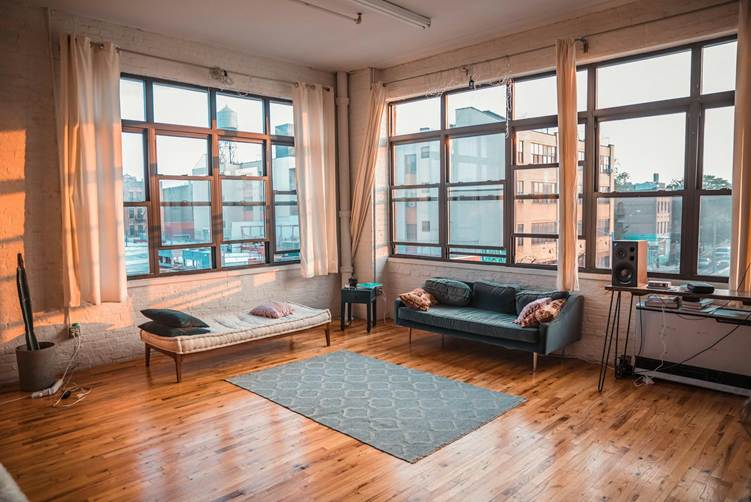
A small apartment can suit your life perfectly until the things you use occasionally begin competing with the things you need every day. Winter coats crowd out work clothes, luggage occupies half a closet, and the dining table becomes a place to stack boxes. The problem is often less about the total number of belongings than where they have to live.
For renters in New York and Boston, self storage can provide room for possessions that still serve a purpose but do not need to stay within reach. The useful approach starts inside the apartment, with a clear idea of what space you want back. From there, you can decide whether storage offers a practical improvement and how to keep it organized.
Decide What the Apartment Needs to Do
Before shopping for containers or comparing storage units, identify the part of daily life that feels unnecessarily difficult. Perhaps getting dressed means moving suitcases, working from home requires clearing a chair, or having someone over involves hiding boxes in the bedroom. Choose one or two specific problems to solve.
Then separate belongings by how often you use them. Everyday clothing, cooking equipment, and frequently used work materials should remain accessible at home. Seasonal decorations, spare luggage, and equipment used for occasional trips may be better candidates for storage.
Renters exploring S2 Storage will find listed locations in New York City and Boston, including Williamsburg, the Lower East Side, Union Square, and ORA Seaport. Some facility descriptions specify service for tenants of particular buildings, so confirm eligibility, availability, and access arrangements for the exact location before making plans. That check matters as much as distance. A location shown on a map is useful only if you can rent there and retrieve your belongings when needed.
Store Around the Seasons, Not Around Indecision
Seasonal rotation gives storage a clear job. Once winter clothing is no longer needed, clean and dry suitable items before packing them away. Bring them back before cold weather returns, exchanging them for summer belongings that will otherwise sit unused for months.
The same approach can work for holiday decorations, camping equipment, or items used for an annual family visit. Group things by the occasion when you will retrieve them. Keeping related belongings together makes a seasonal exchange easier than searching through boxes organized only by their size.
Be more cautious with possessions you are storing because you cannot decide what to do with them. An unused chair or duplicate appliance can accumulate months of rental costs while its future remains unclear. Give those items a decision date, then sell, donate, keep, or dispose of them rather than renewing the uncertainty indefinitely.
Make the Trip Part of the Decision
A storage unit is an extension of your available space, but reaching it still takes effort. Consider how you will transport belongings from the apartment, including stairs, elevators, building entrances, and the final route to the unit. Carrying one suitcase is different from moving several heavy containers.
For a New York renter who travels mainly by subway, retrieving bulky equipment may require a separate transportation plan. Someone in Boston with access to a car still needs to consider loading arrangements and parking. Test the journey against what you will actually move rather than relying on the advertised distance alone.
Ask about access hours, elevator availability, carts, and any building procedures. If the apartment building requires an elevator reservation for moving large items, arrange it before the storage rental begins. Good planning prevents a simple seasonal exchange from consuming an entire day.
Keep Shared Areas Out of the Storage Plan
When indoor space runs short, the hallway outside an apartment can look like an easy place for a shoe rack, bicycle, or temporary stack of boxes. Shared corridors and emergency routes need to remain usable, however, and should not become an overflow closet.
The New York City Department of Housing Preservation and Development advises residents to keep exits clear of clutter and storage, including fire escapes, hallways, and entrance doors. Clear routes help residents leave and allow first responders to reach apartments during an emergency.
Use the same practical priority when arranging furniture inside the apartment: maintain clear routes to doors and designated emergency exits. In Boston, check your building’s requirements and applicable local guidance rather than assuming New York rules describe every detail of your property. Ask management about approved storage areas if the lease or building instructions are unclear.
Compare the Full Cost of Keeping Each Item
Storage is easier to evaluate when you know what you are paying for. Include the monthly charge, any required protection coverage, transportation, and other applicable fees. Ask how introductory offers work and what price applies afterward.
Then connect that cost to a concrete benefit. Storing useful seasonal equipment may free a closet for everyday clothes and make the bedroom easier to use. Paying to keep inexpensive furniture you no longer want may offer much less value.
For perspective, multiply the expected monthly cost by the number of months you anticipate using the unit. Compare that total with replacement costs and your wider housing budget. Storage may help you stay comfortable in your current apartment, but it should earn its place in the budget through a clear purpose.
Pack So You Can Find Things Again
Use containers that are manageable to lift and suitable for their contents. Label more than one side, and describe what is inside clearly enough that someone else could find it. “Winter coats and scarves” is more useful than “Bedroom.”
Make a simple inventory on your phone and take photographs as you load the unit. Numbering containers can help connect the list with their positions. Place the next season’s belongings near the front, with less frequently needed items farther back, while following the facility’s packing and clearance instructions.
Check the rental agreement for prohibited items and any protection requirements. Ask whether the unit’s environmental conditions suit what you plan to store, especially for belongings sensitive to moisture or temperature changes. Clean, dry contents and appropriate packing still matter even when a facility offers climate control.
Give the Recovered Space a Specific Use
Once belongings leave the apartment, decide what the cleared area is for. An empty corner might become a comfortable reading spot, while a freed closet shelf can hold the work bag that previously lived on the floor. A usable dining table may be the most valuable improvement of all.
Avoid immediately filling the space with another storage purchase. Live with the new arrangement for a few weeks and notice what has become easier. You may discover that fewer containers and more open floor space serve you better than another cabinet.
Roommates should agree on how shared areas will function and how any shared storage costs will be divided. Keep individual belongings clearly identified, particularly when one person may move out before the others.
Review the Arrangement Before It Becomes Background Spending
Set a reminder to review the unit at each seasonal exchange or before a lease renewal. Check whether the stored items are still useful, whether you need the same amount of space, and whether anything can return home or leave your possession altogether.
Small-apartment living works best when space supports the life you lead now. A well-managed storage unit can help by holding the things you genuinely use at other times, while leaving your home ready for ordinary mornings, working days, and evenings with friends.