



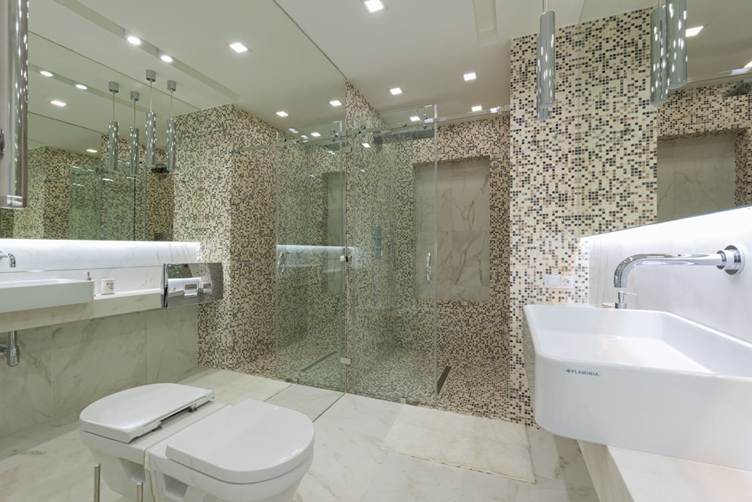
We all want a home that comes with a clean, aesthetic, and functional bathroom. Homeowners across Australia have made it a norm to elevate their comfort and maintain a convenient bathroom. But when it comes to elevating your bathroom, there's more than just finding the fanciest things and getting them installed.
Apart from aesthetic and practical benefits, there is a serious and legal framework. Bathroom renovations must comply with the Australian building regulations and standards that define how you should construct and design them. Whether it's plumbing, waterproofing or electrical work, standards should follow the reborn renovations to ensure that the space is safe for occupants and the building structure.
So, whether you are looking for a complete bathroom revamp or just modifying some components, it is compulsory to follow this act to ensure compliance with Australian rules. This guide will help you get there.
Understanding the Bathroom Refit Act
The Bathroom Refit Act is an umbrella term that defines the Australian regulatory requirements for bathroom renovation. This act draws authority from the NCC (National Construction Code), which is the legal body for building laws in the country.
Refit act basically implies that the reconstruction and renovation of your bathroom should be safe, durable and ready for day-to-day use. It covers everything from plumbing to electricity, waterproofing, and even structural integrity.
What Does the Bathroom Refit Act Cover?
Multiple terms are covered in this act. For starters, let’s talk about one of the most critical components: waterproofing. Given Australia’s humid, moist weather, it is mandatory for bathrooms to be waterproof. According to the regulation, the floor, shower area, and walls should cover the approved waterproofing and height requirements. Additionally, waterproofing should always be done by a professional.
Next up, we have plumbing. This component ensures that everything from your toilets to showers, bathtubs, and wash basins complies with the plumbing regulations. It simply means your bathroom must have clean, uncontaminated water, proper drainage, and that all pipes and fittings meet safety standards.
For bathrooms to comply with the refit act, you must also ensure that there are no electrical hazards in the space. For this, the Australian government has made it compulsory to follow the standard placement for outlets and switches, use IP-rated lighting, and install safety devices (RCDs).
There are other components, such as ventilation and structural integrity, that must be followed as well if you are planning a bathroom redo. It is also mandatory to get your space inspected by a professional to ensure you are following the legal code of conduct as an Australian resident.
Why Complying with This Act is Mandatory
All these rules and regulations may sound exhausting and challenging, but believe they are for your own safety and benefit. For starters, the primary purpose of the bathroom refitting act is to ensure that people are safe. You are dealing with water, wet surfaces, and electricity, which can be pretty dangerous if safety protocols are not met. Complying with the regulations reduces the risk of electrical shocks, slips, and any injuries.
Additionally, compliance also ensures that your structural integrity is maintained. You really don’t want to spend a lot on a building that starts getting damaged due to mould, water seepage, and weakened frameworks just because you refused to follow the legalities. This act will simply ensure that the material is installed correctly and the moisture is adequately managed. You will expect to get your money’s worth because the renovation will last its life.
Results of Non-Compliance
Let’s talk about the risky stuff first. Homeowners who refuse to comply with the bathroom renovation act may be subject to fines and penalties. Since it’s mandatory to get a permit, open your residence for inspection and obtain a certification, the governing bodies have complete authority to stop the working orders. You may even be required to demolish your current progress, obtain the permit and restart the work.
Since your building is expected to meet legal requirements at the state and local levels, non-compliant homeowners face unnecessary delays and complications. You may also face financial strain as you will need to restart your work and deal with the court simultaneously. Don’t you think it is much easier to just abide by the law and get that permit before starting your renovation?
Results of Compliance
Complying with the legal requirements allows you to claim insurance when needed. Most insurance providers require you to comply with the Australian building laws. Therefore, if you want a good insurance that actually comes in handy in times of need, opt for all the necessary permits required for remodelling. Insurance providers may reduce the payout amount, void coverage for affected areas, and even reject your claims if you don’t meet legal requirements. Therefore, if you do not want any trouble with your insurance company, it’s best to comply.
Apart from this, people who intend to resell their property may face unnecessary delays if their renovations are non-compliant. You may not get the best price if the residence does not meet your expectations. When the property complies with the renovation act, it increases buyer confidence and supports your claim for a certain price. Additionally, it reduces any legal risks you or the new buyer might face.
One more thing. When your bathrooms are marked safe by a certified inspector, it means the building is safe for people of all ages. So, whether you are a senior citizen or someone with little kids, an approved bathroom is a convenient and facilitated space to perform your daily ablutions.
Bathroom renovation may seem like a simple task of installing your favourite lighting and fittings, but if you are in Australia, it comes with several legal requirements. The Bathroom Refit Act is a framework that requires residents to have their properties reviewed and approved in accordance with the law. It comes with a number of rules regarding electrical safety, plumbing concerns and structural integrity.
It may seem tedious, but bathroom renovation, according to legal standards, will help you create a safe space for you and other residents of your property. It also builds buyer confidence for people who intend to sell the house.
So, regardless of who you are, if your bathroom is up for a renovation, the first step should always be obtaining the right permit and working your way around it.