



Kitchens attract small insects with a powerful mix of warmth, food traces, and water access. These invaders do not arrive by chance. Their presence signals habits, layouts, and routines that open the door to colonies seeking reliable resources. Crumbs beneath appliances, sugar residue on counters, and open packaging send a clear message that a steady supply awaits. Once a trail forms, activity increases rapidly, turning a minor sighting into a daily frustration.
Prevention works best through understanding. Each insect type follows patterns tied to survival needs, seasonal shifts, and environmental cues. By recognizing why kitchens appeal to them, homeowners gain control over prevention rather than reacting to infestations after they take hold. Practical tactics focus on disrupting access, limiting attractants, and maintaining conditions that discourage return visits. The following sections explore these ideas through common kitchen invaders and proven strategies.

Ant Trails and Targeted Removal
Ants dominate kitchen invasions through teamwork and communication. Scouts search for food and leave chemical trails that guide the rest of the colony straight to the source. A single crumb or sticky spot can support hundreds of workers. Successful control centers on removing both the food source and the trail that leads to it. Surface cleaning alone rarely solves the issue if nests remain active nearby. Many homeowners search for ways to get rid of ants and often find that hiring experienced pest control experts delivers faster and more lasting results than attempting removal on their own. Baits positioned along trails allow workers to carry poison back to the nest, reducing the colony at its source. Sealing cracks near baseboards, windows, and plumbing lines limits future entry points. Routine wiping with vinegar or citrus solutions disrupts scent trails and discourages reinvasion. Patience matters, since visible activity can increase briefly before numbers drop.
Why Pantries Attract Beetles and Weevils
Dry goods pests target stored foods that sit undisturbed for long periods. Flour beetles, rice weevils, and grain moths arrive through packaging or enter through small openings. Once inside, they settle into containers that lack tight seals. Pantries offer darkness and stable temperatures, ideal for breeding cycles.
Infestations spread quietly. A single compromised bag can contaminate nearby items through migration or egg laying. Prevention starts with inspection before storage. Glass or metal containers with secure lids block access and limit spread. Shelf cleaning removes residue that sustains larvae. Rotating stock and avoiding bulk storage for rarely used items reduces the opportunity for habitation. These measures shift the pantry from a haven into a hostile environment for these insects.
Fruit Flies and Their Rapid Life Cycle
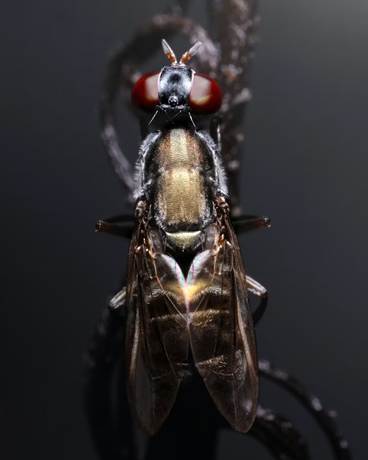
Fruit flies appear suddenly and multiply at an astonishing rate. A piece of overripe fruit or residue in a drain supplies enough nourishment for reproduction. Their short life cycle allows populations to surge within days, creating the impression of an endless swarm.
Control focuses on eliminating breeding sites. Produce storage requires attention, with refrigeration as a strong deterrent. Trash management plays a role, with frequent disposal and rinsing of containers. Drain maintenance addresses organic buildup that often goes unnoticed. Simple traps can reduce numbers, though source removal determines success. Clean surfaces and dry sinks remove the conditions that allow fruit flies to thrive.
Conditions That Invite Roaches Indoors
Roaches enter kitchens seeking food, water, and shelter. Their activity increases during nighttime hours, making early infestations easy to miss. Leaks under sinks or behind appliances supply hydration, and clutter creates hiding spaces. Their adaptability makes them challenging adversaries.
Prevention hinges on environmental control. Fixing leaks reduces water availability. Clearing storage areas and minimizing cardboard removes nesting zones. Food storage discipline limits access to calories. Professional-grade baits often outperform sprays, targeting populations through ingestion rather than surface contact. A proactive approach reduces the chance of roaches establishing a foothold.
Smart Habits That Block Insect Access
Daily routines shape the kitchen environment more than most people realize. Small habits, repeated often, create conditions that either welcome or repel insects. One focused approach involves aligning cleaning, storage, and structural upkeep into a cohesive plan.
- Wipe counters and stovetops after meals to remove residue.
- Store dry goods in sealed containers rather than original packaging.
- Take out trash regularly and clean bins inside and out.
- Repair gaps around doors, windows, and utility lines.
- Address plumbing drips and condensation near sinks.
- Sweep and vacuum floors, paying attention to corners and appliance edges.
These habits reduce attractants and disrupt the signals insects use to locate food and shelter. Consistency transforms prevention from a chore into a routine part of kitchen maintenance.
Control succeeds through awareness and steady action rather than quick fixes. Sealing entry points, managing food storage, and maintaining cleanliness shift the balance away from infestation. When kitchens lose their appeal, insects move on in search of better conditions. Practical prevention tactics protect both comfort and health, turning the kitchen back into a space meant for people rather than unwelcome visitors.