



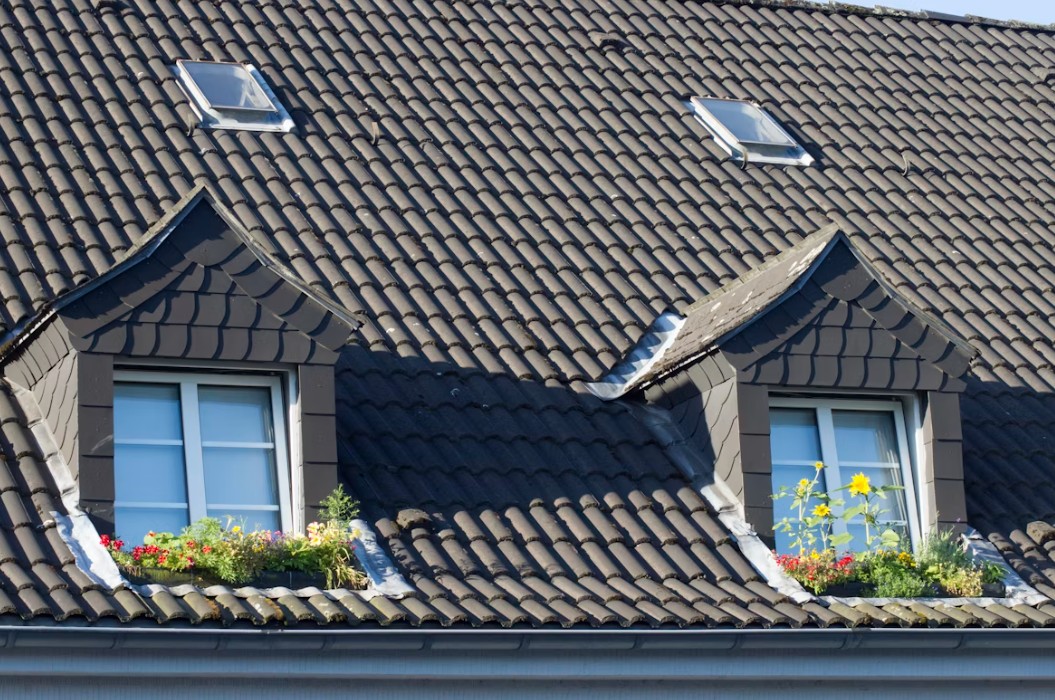
Real estate that is managed by professional teams experiences up to 20% higher tenant retention compared to under-managed properties according to industry statistics. One of the key tasks of a manager is to maintain a property’s exterior. A well-kept exterior dictates how long real estate sits in the market, its rental price, and the quality of tenants it can attract. The American Home Shield study revealed that 89% of property owners care about curb appeal while 68% of buyers deem it a dealbreaker. In this regard, exterior management including roof maintenance plays a crucial role in preserving the integrity of real estate and in enhancing its curb appeal.
Roofing is a Critical Part of Management
The roof is the principal shield of a property protecting it against the elements. Failure to maintain the roof can lead to many problems including damage to interior walls and ceilings. However, different roofing types require different maintenance strategies. For example, asphalt shingles typically last 15-30 years according to the Journal of Construction Engineering and Management, but they are vulnerable to high winds and curling. Tile and slate are much more robust with a lifespan reaching more than 100 years. Unfortunately, they are prone to cracking if stepped on or hit by branches. On the other hand, metal roofing lasts 40-70 years says JAG Metals and are in general, low maintenance. Fasteners and gaskets should be tightened or replaced every 10–15 years to prevent leaks.
As preventive maintenance, a professional roofer must inspect the entire roof system at least twice a year, ideally in spring and autumn. It must also be examined immediately after a major storm event. Inspectors will look at the metal flashing around chimney, dormers, and valleys because cracked sealant is a major cause of roof leaks. Plumbing vents, skylights, and heating, ventilation, and air conditioning (HVAC) units will be checked. These installations crack much faster than the surrounding roof material. Furthermore, part of water management is to clear leaves and debris in gutters and downspouts. The attic and underside will also require inspection to check for visible pinholes, water stains, and damp insulation.
Walls, Foundation, and Surrounding Grounds
Apart from the roof, an aggressive property exterior management will include inspection of the walls, foundation, and surrounding grounds. Side and masonry must be looked over to see if there are no cracks, peeling paint, and missing mortar or brick. If any are detected, cracks must be sealed and missing bricks replaced. Improving grading is another strategy so that soil slopes downward away from the building. A simple power wash removes mold and algae found on walls and siding. Moreover, overhanging branches that touch the roof or climbing vines that invade siding or vents must be removed or trimmed back away from the roofline. In addition to physical damage, this can also prevent animal access to the property.
Next to the roof, windows and doors are the most common source of leaks. They are much more than just entryways and views; they represent a critical vulnerability of a building that can break a solid envelope triggering a chain reaction of structural damage. Hence, it is vital to ensure that there are no air leaks by replacing worn out weatherstripping in HVAC systems, replacing dry seals, and painting timber frames. Loose hinges, warped frames, and misaligned latches must be fixed. Investing in double glazing or low-e glass improves insulation and cuts overhead costs. According to the Department of Energy, installing interior storm or low-e exterior windows can save 12-33% on energy costs.
Preventative Maintenance Schedule
A best practice for property managers is to implement a preventative maintenance schedule. Scheduling routine tasks—such as clearing gutters in autumn and repainting when fading or chalking appears—is a proactive approach.To ensure full control of the property’s condition, it is advisable to document everything including photographing roof and exterior walls during every inspection. This can become particularly useful if an insurance claim must be made after a storm, for example as time-stamped photos are proof of the property’s condition before and after the calamity.
In essence, exterior and roofing property management is about reducing risks and preserving the condition of an asset. By implementing a rigorous maintenance schedule, the building envelope consisting of the roof, walls, windows, and doors are protected against environmental degradation.