



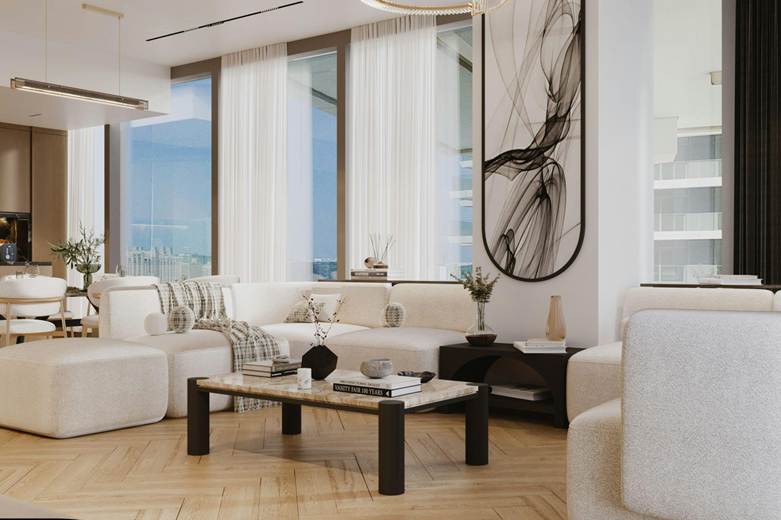
Moving into a rental property can be exciting, but creating a comfortable living environment often takes time. Unlike homeowners, tenants usually face restrictions on permanent changes, making it difficult to personalize rooms through renovations, new flooring, or major decorative improvements.
Fortunately, transforming a rental into an inviting home doesn't require expensive upgrades or alterations to the property. Thoughtful furniture arrangements, removable decorations, suitable lighting, and familiar personal belongings can make a significant difference.
The most successful rental improvements combine comfort, practicality, and individual style. Whether someone rents a small apartment or a larger family home, creating spaces that reflect personal preferences can make everyday life more enjoyable.
By focusing on affordable, reversible changes, tenants can develop a welcoming environment without compromising their rental agreement or investing heavily in a property they don't own.
Create a Comfortable Corner for Personal Wellness Routines
A rental property begins to feel more personal when it accommodates activities that residents genuinely enjoy. Rather than attempting to decorate every room immediately, tenants can start by creating a small area dedicated to relaxation, reading, or familiar daily rituals.
A comfortable chair, compact side table, and warm lighting can transform an unused corner into an inviting space. Adding a favorite mug, a small bookshelf, or a few plants introduces personality without requiring permanent modifications.
For residents who enjoy exploring functional beverages, a dedicated drink station can become part of this arrangement. Comparing reishi vs cordyceps offers an interesting introduction to two functional mushrooms with different traditional uses and naturally occurring compounds. Reishi is commonly associated with relaxation-oriented wellness traditions, while cordyceps has attracted interest in discussions about physical activity and energy. These distinctions can inspire different beverage preferences within a personalized daily routine.
A compact electric kettle, attractive storage containers, and organized shelves can complete the space. The objective is to create an enjoyable experience that makes returning home feel welcoming, even when the property itself is temporary.
Use Removable Decorations to Add Personality
Blank walls and neutral interiors are common in rental properties because landlords generally prefer designs that appeal to different tenants. While these features provide a practical starting point, they can sometimes make rooms feel impersonal.
Removable wall decals, framed artwork, and decorative mirrors offer opportunities to introduce color and character without permanently changing surfaces. Freestanding picture frames and leaning artwork are particularly useful when drilling holes isn't permitted.
Textiles can make an equally noticeable difference. Curtains, cushions, blankets, and rugs introduce warmth while allowing residents to experiment with different colors and patterns.
Choosing a consistent palette can help individual decorative elements feel coordinated. Tenants should also check whether adhesive products are suitable for painted surfaces, since some may leave marks when removed.
These changes are relatively easy to reverse, making them practical for people who expect to move again.
Improve Lighting Without Changing Electrical Fixtures
Lighting influences the atmosphere of a room and can make a rental feel considerably more inviting. Properties with limited natural light or basic ceiling fixtures may benefit from additional sources of illumination.
Floor lamps, table lamps, and portable LED lights allow tenants to create comfortable lighting arrangements without changing existing electrical installations.
Warm lighting can make living rooms and bedrooms feel more relaxing, while adjustable desk lamps provide focused illumination for reading or working.
Positioning mirrors near windows may also help distribute natural light throughout smaller spaces. For added convenience, smart bulbs can offer adjustable brightness and scheduled operation in compatible fixtures.
Combining several lighting sources gives residents greater control over how rooms feel during different activities.
Choose Furniture That Works in Different Spaces
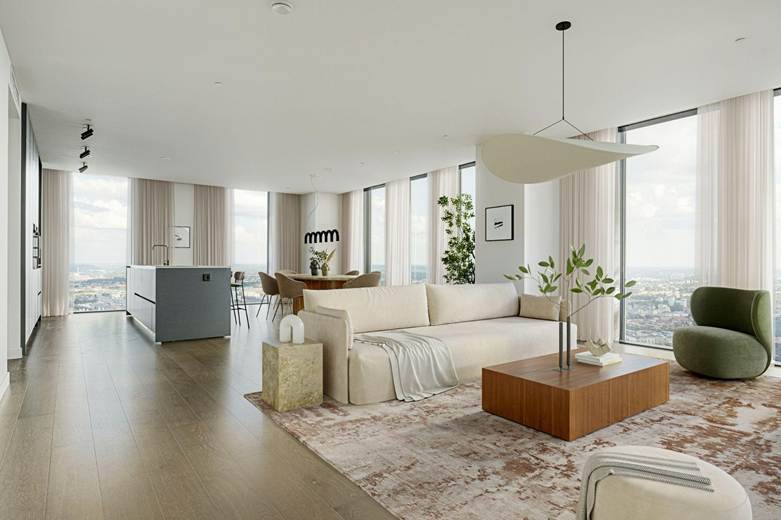
Furniture is one of the most important investments tenants make, particularly when they expect to move between properties over time. Choosing adaptable pieces can make future arrangements easier and reduce unnecessary replacement costs.
Modular shelving, compact dining tables, and furniture with built-in storage offer flexibility in rooms with limited space. Lightweight items can also be rearranged when household needs change.
Before purchasing larger pieces, measuring doorways, staircases, and available floor space helps prevent expensive mistakes. Furniture that fits comfortably in one apartment may be unsuitable for another.
Neutral larger pieces can provide a useful foundation, while smaller decorative items introduce personality. This approach allows tenants to refresh their interiors without replacing expensive furniture whenever their preferences change.
Bring Nature Indoors With Plants and Natural Materials
Indoor plants can make a rental property feel more welcoming by introducing color, texture, and a connection to nature. They are particularly useful in apartments where outdoor space is limited.
Small plants can brighten windowsills and shelves, while larger varieties may help define corners or visually separate different areas of an open-plan room.
However, plant selection should reflect available sunlight, maintenance requirements, and household circumstances. Pet owners should choose varieties that are safe for their animals.
Natural materials provide another opportunity to create warmth. Wooden accessories, woven baskets, cotton textiles, and ceramic decorations can soften rooms dominated by plain walls and modern furniture.
The combination of greenery and natural textures creates visual interest without requiring structural changes.
Make Organization Part of Your Personal Style
A rental property can feel more comfortable when everyday belongings have convenient places to go. Limited storage is a common challenge, especially in smaller apartments where one room may serve several purposes.
Freestanding shelves, decorative baskets, and under-bed containers can help organize possessions without requiring permanent fixtures. Over-the-door organizers are useful for accessories, while compact storage units can keep frequently used items accessible.
Organization can also contribute to the appearance of a room. Matching containers, attractive bookcases, and neatly arranged personal collections allow practical storage to become part of the decoration.
Creating a comfortable home doesn't mean eliminating every visible possession. Books, photographs, souvenirs, and familiar objects help establish an individual identity.
The goal is maintaining enough organization for daily activities while preserving the personal details that make a space meaningful.
Focus on Comfort and Personal Connection
A rental property doesn't need expensive renovations to become a place where residents genuinely enjoy spending time. Small decorative improvements, thoughtful furniture choices, and familiar routines can gradually transform an unfamiliar interior into a welcoming home.
Personal comfort often comes from details that have little to do with property ownership. A favorite reading chair, meaningful photographs, comfortable bedding, and spaces designed around individual interests can create a strong sense of belonging.
Tenants can also approach improvements gradually, starting with the rooms they use most frequently. This makes decorating more affordable and allows personal preferences to develop naturally.
Ultimately, making a rental feel like home is about creating an environment that reflects everyday life. By combining practical organization, reversible decoration, and comfortable personal spaces, tenants can enjoy a home that feels genuinely theirs without making permanent changes to the property.