



Property managers are adopting scheduled exterior maintenance plans to catch building envelope vulnerabilities early and protect asset appraisal values.
Severe weather patterns can test your rental properties when you least expect it. When seasonal wear gets pushed aside, small drafts and hairline cracks quickly expand into massive capital drains that damage your net operating income.
Shifting your strategy toward structured envelope care keeps your properties secure before harsh weather strikes. Taking control of seasonal upkeep protects your equity while creating a safe, comfortable environment that tenants respect.
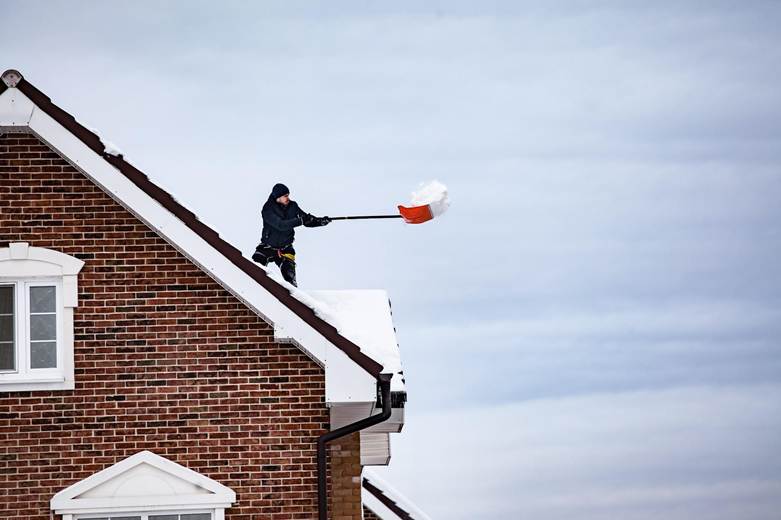
How Does Postponing Exterior Upkeep Deplete Your Rental Margins?
Minor exterior flaws rarely stay small for long. Water finds every broken seam in your siding, saturated brick facade, or misaligned gutter system. Left unchecked, moisture seeps into wall cavities, degrades structural framing, and rots hidden sheathing. Analysis from the Harvard Joint Center for Housing Studies indicates that residential properties built before 1980 require 76% more maintenance spending than buildings erected after 2010.
Ignoring these perimeter warnings triggers compounding operational liabilities. When your tenants spot damp drywall or peeling window sills, lease renewal conversations sour and vacancy rates climb. Unaddressed leaks warp subflooring, degrade insulation, and damage interior finishes, converting routine seasonal upkeep into high-stress emergency interventions that drain operating cash.
How Do You Execute Seasonal Building Envelope Audits?
Bi-annual audits allow you to catch subtle building envelope flaws before freeze-thaw cycles strike. By coordinating qualified foundation repair and roof restoration before autumn downpours arrive, you defend your properties against shifting soil and overhead water entry. This disciplined routine stabilizes your exterior shell, keeping roof trusses aligned and basements dry.
Strategic Inspection Protocols
Systematic reviews help your maintenance staff evaluate vulnerable building joints before severe weather hits. Examining exterior junctions uncovers minor caulking splits and flashing separation before moisture penetrates structural sublayers.
Which Structural Zones Require the Closest Attention?
Walk your grounds twice a year with a detailed checklist to evaluate structural performance across all four corners of each property:
- Clear drainage pathways: Downspouts must discharge runoff at least 5 feet away from your foundation footings to stop soil saturation.
- Inspect siding joints: Thermal expansion splits siding seams, letting wind-driven rain seep behind protective house wraps.
- Assess base slabs: Hairline cracks along concrete slabs warn of soil subsidence before interior floor levels begin sloping.
- Check upper gutters: Trapped leaves and standing water rot fascia boards, pulling gutter brackets away from rooflines.
Why Should You Allocate Operating Reserves for Structural Protection?
Forward-thinking property owners treat exterior preservation as a core wealth protection tool rather than a discretionary expense. Setting aside a dedicated percentage of monthly rental receipts builds a dependable reserve fund for scheduled envelope servicing. Benchmark metrics tracked by the National Apartment Association reveal steep drops in emergency work orders when teams hit a 90% preventive maintenance completion rate. Consistent capital commitment keeps structural surprises from devouring your bottom line.
Relying on panic-driven contractor calls during severe storms drains your operating accounts at steep emergency rates. Establishing scheduled contractor partnerships allows your management team to secure competitive pricing for seasonal maintenance.
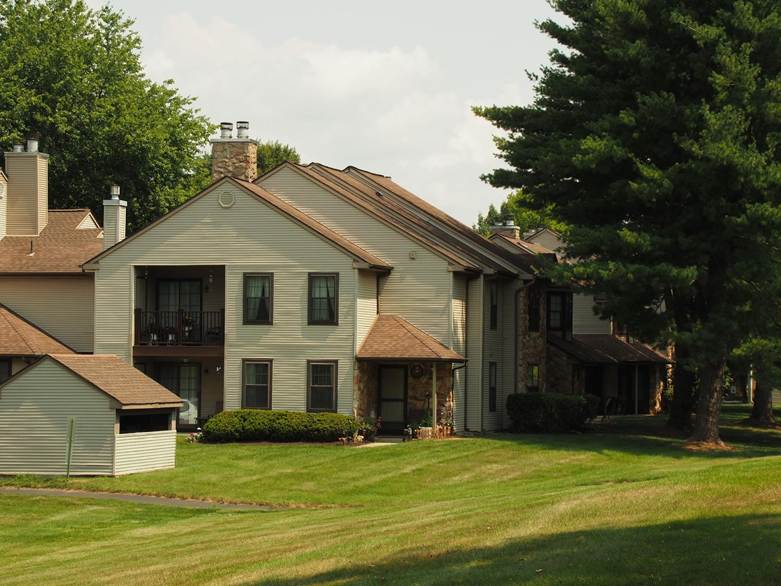
Protecting your real estate investment begins with defending your residential structures from the ground up against water intrusion and seasonal deterioration. Consistent exterior care keeps your operational balance sheets predictable while maintaining high tenant satisfaction. By committing to routine envelope audits, you build resilient properties that hold top appraisal values across every market cycle.