



In rental property management, profitability isn’t just about maximizing rent — it’s about controlling costs. While many landlords focus on visible upgrades like kitchen renovations or curb appeal, the real financial leaks often happen behind walls, beneath floors, and underground.
Preventative maintenance is one of the most powerful tools property owners have to protect long-term returns. A proactive strategy not only reduces emergency repair costs but also improves tenant satisfaction, extends asset lifespan, and preserves property value.
Below are practical, cost-saving preventative maintenance strategies that can save property owners thousands of dollars each year.
1. Conduct Routine Plumbing System Inspections
Plumbing failures are among the most expensive and disruptive issues in rental properties. Burst pipes, sewer line backups, and hidden leaks can result in water damage, mold remediation, insurance claims, and tenant displacement.
One of the most effective preventative tools available today is a sewer camera inspection. Instead of waiting for slow drains or sewage backups, property managers can schedule periodic inspections to assess underground sewer lines and internal pipe conditions.
Modern pipe camera technology allows technicians to:
- Detect cracks or corrosion inside pipes
- Identify tree root intrusion
- Locate developing blockages
- Assess pipe misalignment or collapse
Because these issues develop gradually, early detection can mean the difference between a minor repair and a full sewer line replacement costing thousands.
Advanced inspection solutions offered by companies like Sanyipace provide high-resolution imaging that helps property owners make informed maintenance decisions before problems escalate. Proactive diagnostics eliminate guesswork and prevent costly emergency plumbing calls.
2. Implement Seasonal HVAC Maintenance
Heating and cooling systems are another major expense category. HVAC failures during extreme weather can result in urgent repair fees and frustrated tenants.
A preventative HVAC plan should include:
- Filter replacement every 1–3 months
- Seasonal system inspections
- Cleaning condenser coils
- Checking refrigerant levels
- Inspecting ductwork for leaks
Routine servicing extends equipment lifespan and improves energy efficiency. Compared to the cost of replacing an entire system, annual maintenance is a minimal investment with significant returns.
3. Schedule Roof and Gutter Inspections
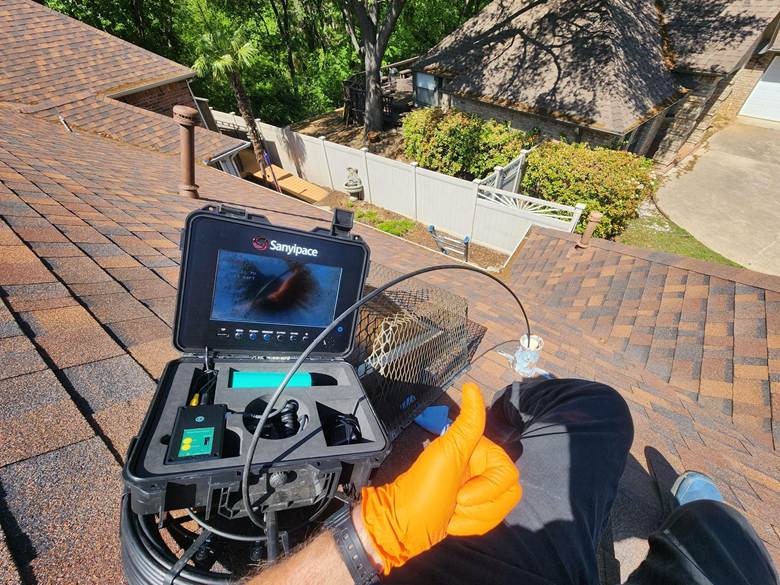
Roof damage often goes unnoticed until leaks appear inside the property. By that point, water intrusion may have already compromised insulation, drywall, and structural components.
Preventative steps include:
- Annual roof inspections
- Gutter cleaning twice per year
- Checking flashing and sealants
- Inspecting attic spaces for moisture
Early detection of minor shingle damage or drainage issues prevents larger structural repairs and mold remediation costs.
4. Monitor Drainage and Foundation Health
Poor exterior drainage can gradually undermine a property’s foundation. Water pooling near the structure increases the risk of cracks, shifting, and basement flooding.
Property owners should:
- Ensure downspouts direct water away from the foundation
- Grade landscaping to slope away from the building
- Inspect foundation walls for hairline cracks
- Address minor settling before it worsens
Preventative landscaping adjustments are far less expensive than foundation repair projects.
5. Perform Electrical System Checks
Electrical failures can pose safety risks and legal liabilities. Preventative electrical maintenance should include:
- Inspecting breaker panels
- Checking outlets for overheating
- Testing smoke and carbon monoxide detectors
- Ensuring wiring meets code compliance
Addressing minor electrical concerns early reduces fire risks and liability exposure.
6. Prioritize Tenant Education and Reporting
Preventive maintenance is not solely technical — it also involves communication.
Encourage tenants to report:
- Slow drains
- Water stains
- Unusual odors
- HVAC irregularities
- Electrical flickering
Small issues, when reported early, are typically inexpensive to fix. Delayed reporting often results in compounded damage.
Clear communication channels and routine check-ins reduce surprise emergencies and strengthen landlord-tenant relationships.
7. Create a Structured Maintenance Calendar
Preventative maintenance should never be reactive. Instead, property owners should develop a structured annual calendar covering:
- Quarterly plumbing checks
- Semiannual HVAC service
- Annual roof inspections
- Drain and sewer line assessments
- Safety equipment testing
Documented inspections not only reduce long-term costs but also provide legal protection in case of disputes or insurance claims.
8. Inspect Older Properties More Frequently
Properties over 20 years old require heightened attention. Aging plumbing systems, outdated materials, and natural wear increase risk exposure.
For older rentals, preventative inspections using tools like a sewer camera become even more critical. Underground infrastructure deteriorates over time, and without internal visual inspections, damage often remains hidden until a major failure occurs.
Investing in modern inspection methods can significantly extend the functional lifespan of aging systems and help property owners plan capital improvements strategically rather than reactively.
9. Reduce Emergency Repair Premiums
Emergency repairs are almost always more expensive than scheduled maintenance. After-hours service fees, tenant relocation costs, and expedited material sourcing quickly inflate expenses.
By proactively identifying risks through tools such as a pipe camera, property managers reduce the likelihood of urgent sewer backups or pipe collapses. Even one prevented emergency incident can offset the cost of several years of preventative inspections.
10. Protect Long-Term Property Value
Beyond immediate cost savings, preventative maintenance directly impacts property valuation.
Investors and appraisers consider:
- Condition of plumbing infrastructure
- Mechanical system lifespan
- Evidence of water damage
- Overall maintenance history
A well-maintained property commands higher resale value and attracts more qualified tenants. Maintenance documentation that includes routine inspections — especially internal diagnostics of plumbing systems — signals professional management and reduced risk.
The Financial Impact of Preventative Maintenance
Consider a simplified comparison:
- Emergency sewer line replacement: $5,000–$15,000
- Water damage remediation: $2,000–$10,000
- Preventative inspection using a sewer camera: a fraction of major repair costs
When multiplied across multiple units or properties, the financial difference becomes substantial.
Preventative maintenance is not an expense — it is a cost control strategy.
Final Thoughts
Property ownership is a long-term investment, and like any investment, it requires strategic risk management. While cosmetic upgrades may improve appeal, the most significant savings often come from protecting the systems tenants never see.
Routine inspections, modern diagnostic tools, and structured maintenance planning reduce uncertainty, minimize disruption, and protect rental income stability.
By integrating preventative strategies — including advanced internal pipe inspections using tools such as a sewer camera or pipe camera — property owners can avoid major structural failures and maintain stronger returns over time.
In property management, the smartest savings don’t come from cutting corners. They come from preventing problems before they start.