



As a rental property owner, your main goal is to protect your investment and ensure a steady return. While you focus on tenant screening and maintenance, pests pose an often-overlooked threat that can cause significant financial and structural damage.
These unwanted creatures can devalue your property, lead to costly repairs, and create health hazards for your tenants. Taking a proactive approach to pest management isn't just a good idea; it's an essential part of responsible property ownership. An integrated pest management strategy can greatly reduce risks, and many pest control resources are available to help housing managers develop effective programs.
Common Pests That Damage Properties
Pests in a rental property come in many forms, each able to cause unique types of damage. Rodents like rats and mice can chew through wiring, creating fire hazards, and can destroy insulation. Insects such as termites can compromise a building's structural integrity, leading to thousands of dollars in repairs.
Cockroaches and bed bugs not only create unsanitary living conditions but can also be incredibly difficult and expensive to get rid of, potentially leading to high tenant turnover. Understanding who is responsible for pest control in different situations is a critical first step for any landlord. Clearly outlining these duties in your lease agreement can prevent disputes and ensure issues are addressed quickly.
The Unique Challenges of Bird Pests
While insects and rodents are common concerns, birds present a distinct set of challenges for property owners. Unlike other pests that hide within walls or foundations, birds often damage the exterior of a building, including roofs, ledges, and ventilation systems. Their nests can clog gutters and drains, leading to water damage and leaks.
Furthermore, some bird species are protected by local or federal laws, which complicates their removal. Their public visibility means any control measures must be humane and discreet to avoid negative attention from tenants or neighbors.
Why Pigeon Control is Essential
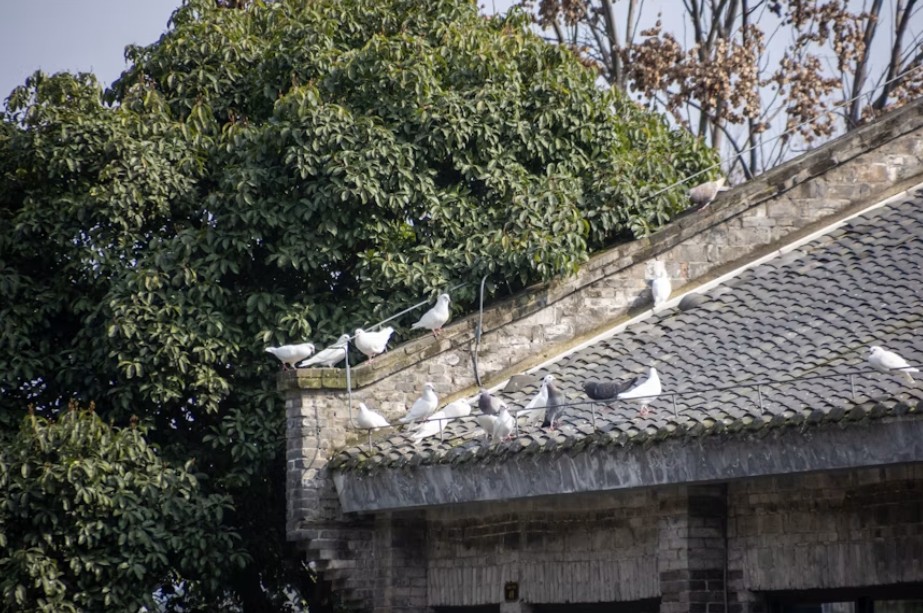
Pigeons are among the most problematic bird pests for urban and suburban properties. Their droppings are highly acidic and can corrode building materials like stone, metal, and painted surfaces over time. This not only affects the building's appearance but can also lead to permanent damage requiring expensive restoration.
Pigeon nesting materials can block vents and chimneys, creating fire risks and issues with air quality. For properties with rooftop equipment like HVAC units or solar panels, pigeons can cause significant operational problems. In these specialized cases, professional services like Cheetah Solar Panel Cleaning and Pigeon Control provide targeted solutions that address both the pest infestation and the sensitive equipment they affect, ensuring everything remains in working order.
Effective Bird Deterrent Solutions
Fortunately, you have several effective and humane ways to deter birds from nesting on your property. The goal is to make your building's surfaces unwelcoming for them to land or build nests.
Physical Deterrents: Bird spikes are a common solution for ledges, signs, and rooftops. These pointed strips prevent birds from landing without harming them.
Netting: For larger areas like balconies or open-air enclosures, bird netting can be installed to completely block access.
Shock Track Systems: These low-profile electrical tracks deliver a mild, harmless shock that conditions birds to avoid the area.
Visual and Sound Deterrents: Reflective tape, predator decoys, and ultrasonic devices can scare birds away, though their effectiveness can lessen over time as birds get used to them.
Choosing the right solution depends on the specific area you need to protect and the type of bird causing the issue.
Long-Term Benefits for Owners
Investing in a long-term pest management strategy offers significant benefits that go far beyond simply removing an immediate nuisance. Proactive pest control protects your property's value by preventing the structural and cosmetic damage pests cause, and you can find a guide to pest prevention to help.
It reduces long-term maintenance costs by avoiding expensive repairs related to chewed wires, water damage from clogged gutters, or facade restoration. A pest-free environment also leads to higher tenant satisfaction and retention, reducing turnover costs and vacancies. By developing a comprehensive plan using reliable pest control resources for housing managers, you can safeguard your asset for years to come.
Ultimately, seeing pest control as an ongoing part of property maintenance rather than a reactive expense is key. It protects your building, your tenants, and your bottom line.





