



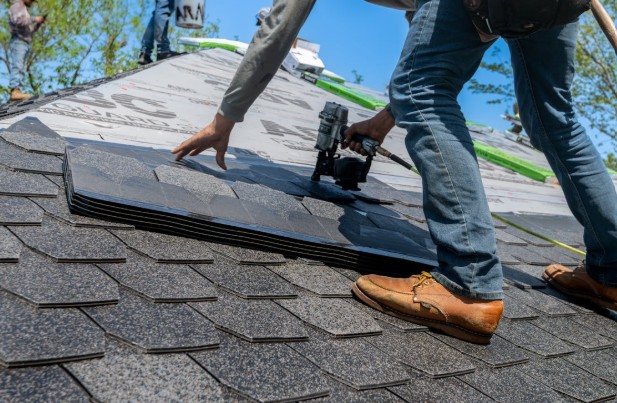
Most rental roofs stay quiet until something goes wrong. By then, the repair bill often feels much bigger.
Water rarely shows up where it starts. It can move through hidden spots first. That makes early roof issues easy to miss. It also makes them more expensive later.
Real estate investors juggle leases, repairs, and vendor schedules all year. That is why roof upkeep deserves a steady plan. Many owners turn to local roofers, including Complete Roofing in Huntsville, once routine checks reveal wear, weak flashing, or drainage trouble. A steady plan works better than waiting for a storm call.
Start With Regular Roof Checks
A roof usually gives clear signs before bigger trouble starts. You just need to know where to look. A quick check each season can catch small issues early. That helps owners avoid larger repairs later.
What Owners Should Watch For
A few signs tend to show up first. These warning signs can tell you a lot.
Curled or missing shingles often point to aging or wind damage
Granules in gutters can signal shingle wear
Loose flashing near vents can let water in
Soft spots near edges can hint at trapped moisture
Ceiling stains may point to a roof leak above
You do not need to climb the roof yourself. A simple visual check from safe areas still helps. You can also hire a roofer for a closer look. What helps most is checking the same areas each time.
Photos make this process easier. Take pictures from the same angles every visit. That way, you can compare changes after heavy rain or wind. A record like that also helps with bids and insurance questions.
Gutter flow deserves attention too. Water needs a clear path away from the roof. FEMA notes that clean gutters and downspouts help reduce water intrusion near the structure.
Fix Small Problems Before They Spread
Small roof issues rarely stay small for long. A loose shingle can lead to soaked decking. A small flashing gap can let water reach insulation. Once moisture gets inside, the repair scope often grows fast.
That shift affects more than the roof itself. It can also affect tenant comfort and trust. A damp smell, ceiling mark, or small drip changes how residents view the property. Owners benefit when they respond before tenants feel ignored.
A clear repair process helps a lot here. Tenants need an easy way to report signs early. That is why a smooth system for maintenance requests helps owners catch issues before more damage forms. It keeps communication simple and service records easier to track.
Why Fast Repairs Help Investors
Early roof repairs support both the building and the budget. They also make scheduling easier.
Small repairs usually cost less than major water repairs
Early work helps prevent drywall and flooring damage
Faster action reduces the chance of tenant complaints
Planned repairs fit better around lease and vendor schedules
Owners avoid rushed work during busy storm periods
Investors often focus on visible damage first. That is understandable, but hidden damage can cost more. Water can sit in insulation or decking long before it shows indoors. Fixing a small problem early protects more than one part of the property.
Match the Plan to the Property
Not every roof ages the same way. A single family rental and a small retail building face different stresses. Roof slope, material, shade, and tenant use all shape the care plan. Owners get better results when they treat each property on its own terms.
Asphalt shingle roofs often show wear through missing tabs or granule loss. Low slope roofs may show ponding water or seam issues instead. Older homes may struggle around chimneys, vents, and skylights. Those weak spots often fail before the larger roof surface does.
This is also where timing helps. Owners can line up roof checks with seasonal exterior reviews. They can also connect them with lease turnovers and reserve planning. That makes roof upkeep feel less reactive and more organized.
Areas That Need Extra Attention
Some roof areas fail earlier than others. These spots deserve a closer look during each inspection.
Flashing around chimneys and vents
Roof valleys where water flows fast
Edges where wind can lift shingles
Skylights and wall intersections
Gutters and downspout exits
These areas often tell you what the rest of the roof may do next. If one section keeps failing, the bigger roof cycle may be changing. That gives owners time to plan the next step instead of reacting late.
Good communication helps during this stage too. Tenants should know where to report leaks or stains. A resident portal for repair assistance can support that process and keep updates in one place.
OSHA also reminds contractors to use safe access and fall protection during roofing work. That applies even on many residential jobs.
Know When Repairs Stop Paying Off
Most owners want the longest life from a roof. That makes sense, especially with tight budgets. Still, repeated patch jobs can waste money on an aging system. At some point, a bigger repair or replacement gives better value.
You can usually spot the shift through patterns. Leaks may return in new areas. Service calls may happen more often. Shingles may keep failing after each storm. Those signs tell owners the roof may need more than another patch.
Age helps frame the decision, but condition tells the fuller story. Two roofs installed in the same year can age very differently. Ventilation, weather exposure, and past workmanship all shape the result. That is why inspection photos and service records help so much.
Signs a Roof May Need Replacement
These signs often show that patching will not hold for long.
Leaks keep showing up in different spots
Repairs happen more often each year
Shingles crack, curl, or lift in many areas
Decking shows signs of trapped moisture
Past repairs no longer hold through storms
A calm replacement plan usually works better than an emergency project. Owners get time to compare bids and review materials. They can also plan around occupancy, access, and cleanup. That helps protect cash flow and reduces stress for everyone involved.
Keep Records That Support Better Decisions
Roof maintenance is not only field work. Good records make future decisions easier and faster. They also help owners spot patterns before they turn into major costs. A simple file can save a lot of guesswork later.
Keep inspection photos, invoices, repair dates, and warranty details together. That history helps owners compare contractor opinions with more confidence. It also helps a future manager or buyer understand what happened before. When records stay clear, each new decision gets easier.
Good records also support tenant communication. If a leak returns, owners can review what the last contractor fixed. They can also check whether the issue links to an older repair. That kind of clarity helps owners respond with less confusion and better timing.
A rental roof rarely fails at a good time. That is why steady checks, early repairs, and clean records help so much. Owners who stay ahead of small warning signs usually protect cash flow, tenant comfort, and long term property value.