



How to Sell a House Fast Without Losing Money
Life does not always wait for the perfect selling season. A job move, a divorce, an inherited property, or a looming repair bill can all make speed the priority. The worry is that selling fast means selling cheap, and it does not have to.
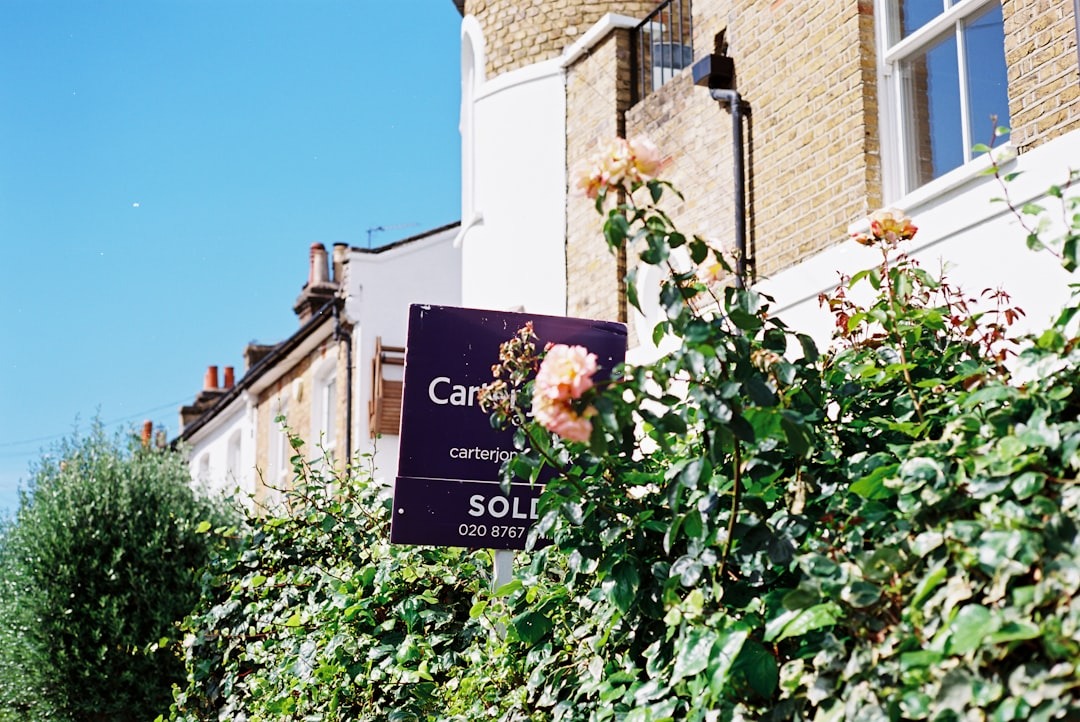
Photo by Bruce Barrow on Unsplash
Alt text: A for-sale sign in front of a suburban house
The trick is knowing your options and their trade-offs. A cash buyer such as Sell my dallas house fast can close in days rather than months, which suits some situations perfectly. This guide explains how fast sales work and how to protect your money along the way.
Why Would You Sell a House Fast?
Because circumstances sometimes outrank price. Plenty of sellers value certainty and speed over squeezing out the last dollar.
Common triggers include relocation, financial pressure, or a property that needs work the owner cannot fund. In each case, a slow listing adds stress, carrying costs, and risk. A quick, certain sale removes months of uncertainty.
Condition matters too. A house that needs major repairs can struggle on the open market, where buyers expect move-in-ready homes. Selling as-is to a cash buyer sidesteps the repair bill entirely.
How Does a Cash Sale Actually Work?
Simply, which is the point. A cash buyer skips the mortgage approval that slows most traditional deals.
You share the property details, receive an offer, and choose whether to accept. There is no lender appraisal, no financing contingency, and usually no need to stage or repair. Because a cash buyer skips the mortgage process that slows most deals, the timeline shrinks dramatically. That leaves you to weigh a single question: is the offer fair for the speed you gain?
Because the process is lean, closing can happen in a week or two rather than a couple of months. That speed is the whole appeal. The trade-off is usually a price below full retail, in exchange for certainty and convenience.
What Do You Give Up for Speed?
Mostly top dollar, and that is the honest trade. A cash offer reflects the buyer's risk, repair costs, and resale margin.
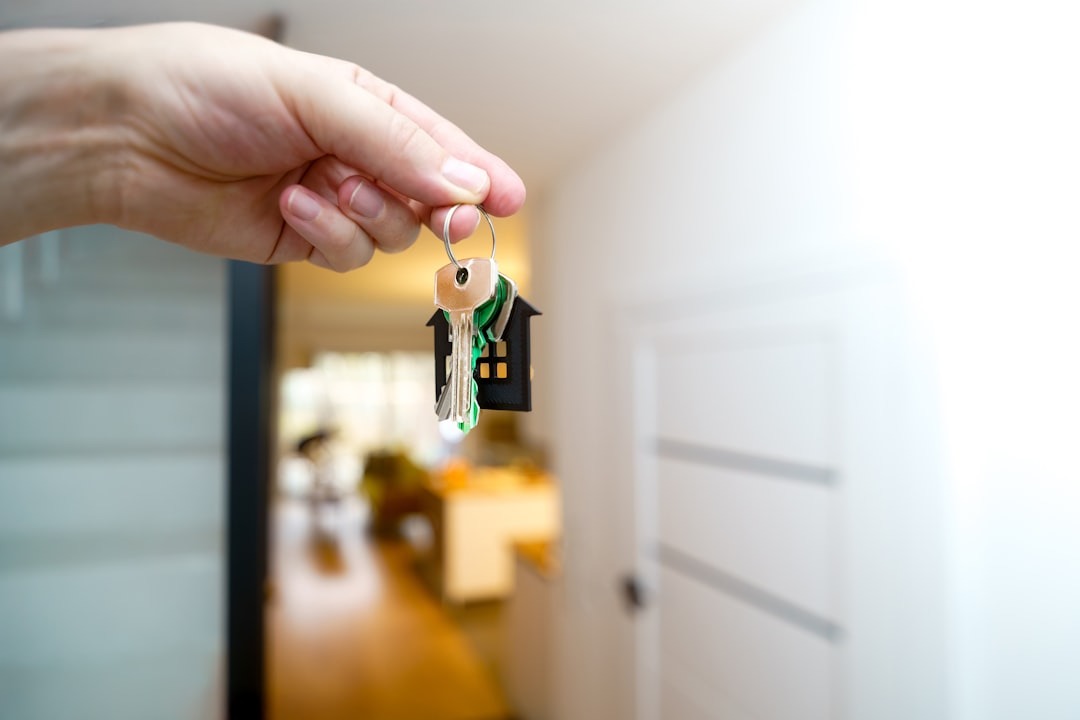
Photo by Jakub Żerdzicki on Unsplash
Alt text: A person handing over house keys across a table
A price typically below full open-market value.
The competitive bidding a hot listing can attract.
Some negotiating power once an offer is on the table.
The chance to wait out a rising local market.
Time to shop multiple buyers if speed is critical.
None of these are dealbreakers if speed genuinely matters. The key is going in clear-eyed, so the convenience is a choice rather than a surprise. Weigh the discount against the months and costs you avoid.
How Do You Avoid Getting Lowballed?
Do a little homework before you sign anything. Even a fast sale rewards a prepared seller.
Get more than one cash offer so you have a benchmark. Check recent sale prices for similar homes nearby to gauge fair value. A seller who knows the numbers is far harder to lowball, and reputable buyers expect you to ask questions. Read the offer for hidden fees or last-minute deductions, and be wary of any buyer who pressures you to sign on the spot. A fair deal survives a day of thought.
Should You Still Compare the Traditional Route?
Yes, at least briefly. A quick comparison confirms you are making the right call.
Weigh the cash offer against what a listing might net after fees, repairs, and months of carrying costs. For some, the realtor route still wins, and a full-service brokerage listing can net more once staging and repairs pay off. For others, the speed and certainty of cash come out ahead once every cost is counted.
What About Taxes and Paperwork?
They do not vanish just because the sale is quick. A fast close still triggers the usual obligations.
Depending on your situation, selling may have tax consequences, and the IRS guidance on capital gains is a sensible starting point. Keep records of the sale price, any improvements, and closing documents. If the property was a rental or inherited, the rules differ, so a quick word with a tax professional pays off.
Title and disclosure duties still apply as well. A legitimate cash buyer handles the closing properly and does not ask you to skip required paperwork. Anyone who does is a red flag.
Key Points for a Fast Home Sale
Speed and certainty are valid reasons to sell fast.
Cash sales skip financing, appraisals, and most repairs.
Expect a price below full retail in exchange for convenience.
Gather multiple offers and check local comps first.
Compare the cash route against a traditional listing.
Taxes, title, and disclosure duties still apply.
Selling Fast On Your Own Terms
A fast sale is a tool, not a compromise, when you use it deliberately. Understand how cash offers work, benchmark the number against your market, and keep the paperwork clean. Do that, and you get the speed you need without leaving money on the table that you did not mean to.
Frequently Asked Questions
Will I get less money selling my house fast?
Usually a cash sale comes in below full retail, reflecting the buyer's risk and repair costs. In return you get speed, certainty, and no repair bills. Whether that trade is worth it depends on your situation.
How quickly can a cash sale close?
Often within one to two weeks, since there is no mortgage approval to wait on. The exact timing depends on title work and your readiness. That speed is the main reason sellers choose cash.
Do I need to make repairs before selling for cash?
Generally no. Cash buyers typically purchase homes as-is, which is why the route suits properties needing work. You skip the repair bill but usually accept a lower price for it.
Are there taxes when I sell my house?
There can be, depending on profit, how long you owned it, and whether it was your main home. IRS guidance on home sales is a good starting point. A tax professional can confirm your specific situation.