



Royal Oak has spent the last decade as one of Metro Detroit's success stories. Its walkable downtown, the Woodward corridor, and the draw of the Detroit Zoo have pushed home values steadily upward, and buyers keep competing for a spot in the neighborhood. On paper, that makes selling look easy. In practice, homeowners with older properties often find the reality more complicated than the headlines suggest.
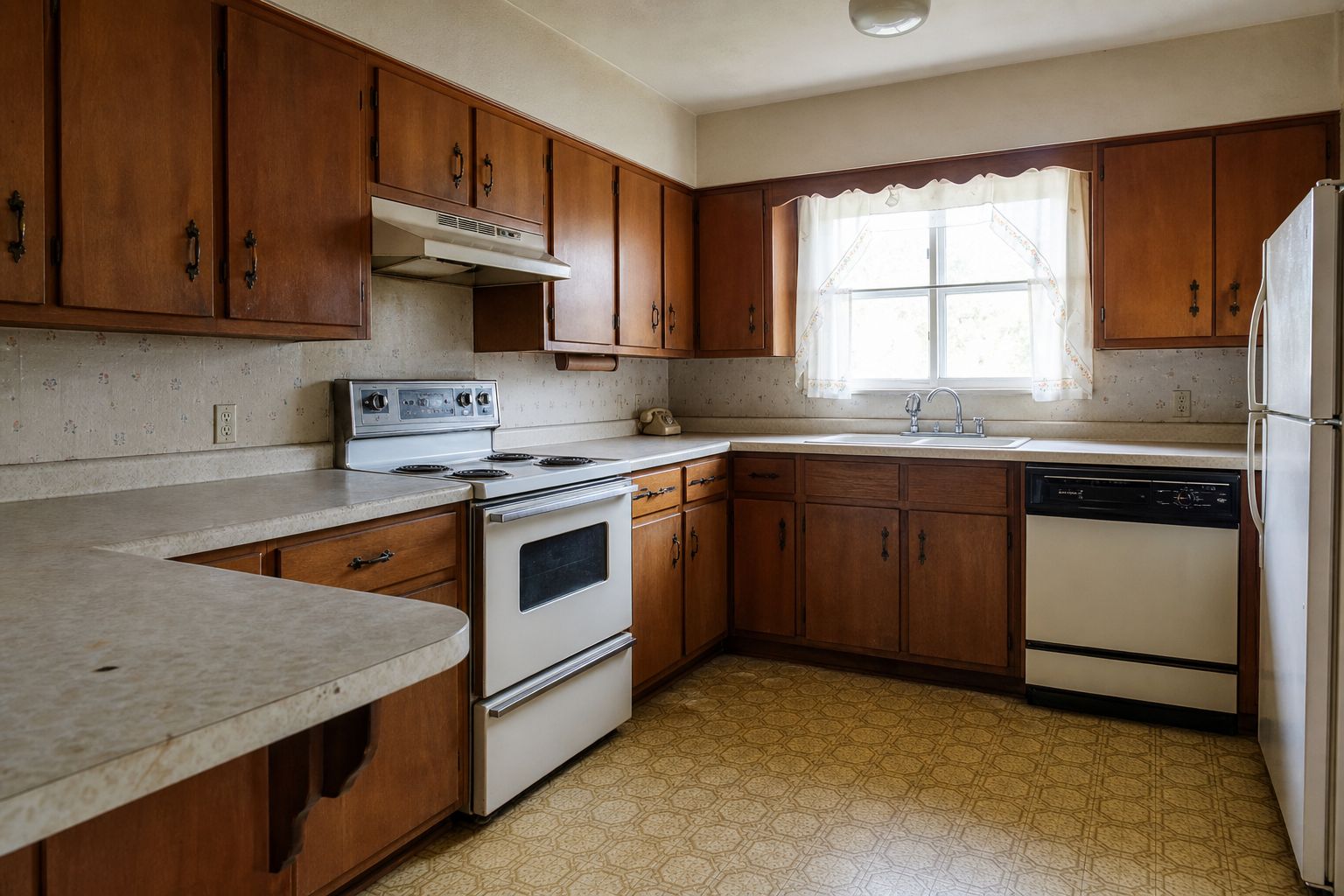
Much of Royal Oak's charm comes from its pre-war housing — brick Tudors and bungalows near Vinsetta Boulevard, in Northwood, and around the Clark Addition. These homes have character that new construction can't replicate, but they also show their age. Original kitchens and baths, plaster walls, older wiring and plumbing, aging boilers, and roofs near the end of their life are common. Buyers shopping the Woodward corridor with a mortgage in hand usually expect modern, move-in-ready finishes, and that expectation can turn a "hot market" listing into a months-long project.
The hidden cost of a traditional sale
Selling the conventional way in a high-value suburb like Royal Oak carries real expenses. Agent commissions typically run 5 to 6 percent of the sale price — a serious number when homes routinely trade well into the $300,000s. Add Michigan's real estate transfer tax at $8.60 per $1,000, owner's title insurance, closing fees, and the updates buyers expect on an older home, and the gap between the sale price and the check you actually keep grows quickly.
Consider a Royal Oak home that sells for $360,000. The commission alone could top $19,800, with roughly $3,096 in transfer tax on top of it. Before any of that, many sellers spend thousands modernizing a pre-war home just to compete with renovated listings down the block. For an owner who is sitting on years of appreciation and simply wants to move on, that's a lot of equity spent chasing the last few dollars.
Why equity-rich sellers are choosing cash
This is where a direct cash sale has become a genuine alternative, even in a market as strong as Royal Oak's. Selling as-is to a local buyer lets homeowners convert years of rising value into cash now, without pouring money into updates or sitting through weekends of showings. There are no commissions, no repairs, and no appraisal risk hanging over the deal, and the closing date can be timed to a downsizing move or an estate timeline.
The sellers who benefit most tend to fall into a few groups: downsizers ready to leave a high-maintenance older home, families settling an inherited property in Oakland County, landlords exiting a rental near downtown, and owners relocating who don't want to carry two homes. For each of them, the certainty of a firm price and a quick close often outweighs the theoretical top-dollar a fully renovated listing might eventually fetch.
None of this means every Royal Oak seller should skip the market — a well-updated home in a prime pocket can still do beautifully with an agent. But for owners of older, as-is properties, working with an established local buyer to sell your house fast in Royal Oak, MI can be the cleaner path: no modernizing, no commissions, and a closing date you control.
The bottom line
A rising market rewards sellers, but only if the home fits what financed buyers want. For Royal Oak's many characterful older houses, the smartest move isn't always the flashiest listing — sometimes it's simply turning hard-earned equity into cash on your own timeline.