



Singapore offers one of the most structured and regulated rental markets in the world. Unlike many global cities where Airbnb-style rentals dominate the short-term market, Singapore follows a different model.
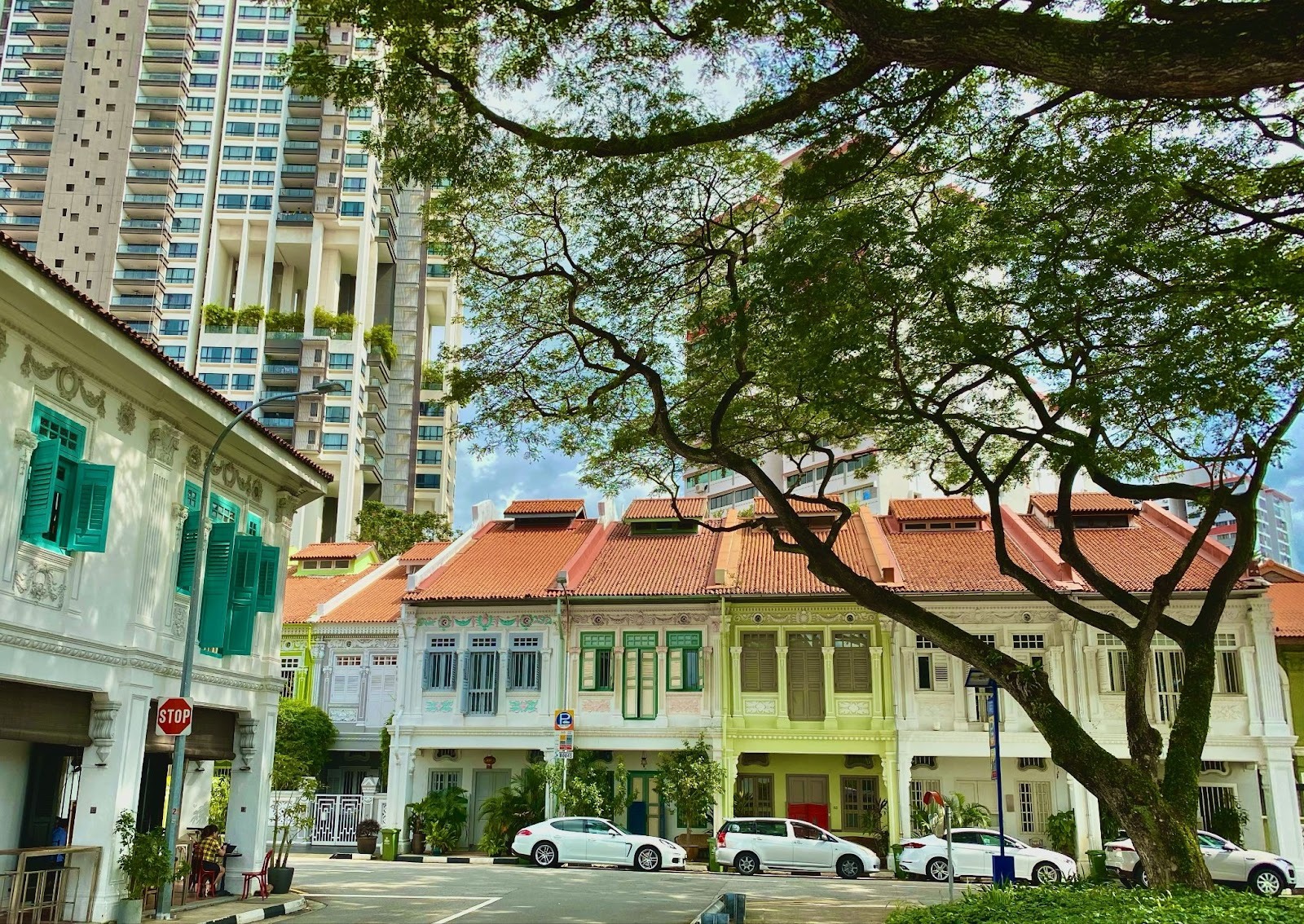
Photo by David Kubovsky on Unsplash
Regulations, corporate travel demand, and a strong expatriate population have shaped a system where serviced apartments play a central role in short-term accommodation.
This creates an interesting comparison between short-term rental models and traditional long-term leasing. For investors, landlords, and property managers, Singapore offers valuable lessons about how rental markets can evolve when regulations and demand intersect.
The Rise of Serviced Apartments in Singapore
Short-term rentals in Singapore look very different from what people might expect in cities where home-sharing platforms dominate.
What Serviced Apartments Actually Are
A serviced apartment is a fully furnished residential unit designed for flexible stays, combining the comfort of an apartment with hotel-style services. These properties typically include kitchens or kitchenettes, housekeeping, concierge services, and shared amenities such as gyms or pools.
For travelers, expatriates, and relocating professionals, they provide a convenient “move-in ready” living solution. Utilities, internet, and maintenance are usually included in the rent, which simplifies short-term stays.
Because of these features, serviced apartments are commonly used for corporate assignments, relocation periods, or extended business travel.
Why the “1 Bedroom Serviced Apartment” Market Is So Popular
One of the most searched options in Singapore’s rental market is the 1 bedroom serviced apartment singapore category.
These units hit a practical middle ground. They are large enough for professionals or couples staying for weeks or months, but still compact enough to remain affordable compared with multi-bedroom suites. It opens up an option of flexible living.
For companies relocating employees temporarily, this type of apartment is often the default choice. The tenant can arrive with luggage and immediately have access to a full living space, kitchen facilities, high-speed internet, and regular housekeeping.
Because the rent usually includes utilities, maintenance, and services, the arrangement also simplifies accounting for companies managing relocation budgets.
Flexibility That Traditional Rentals Cannot Match
Another reason serviced apartments dominate Singapore’s short-term market is flexibility.
Unlike traditional leases that often require long commitments, serviced apartments typically offer weekly or monthly booking options. Some properties allow stays as short as a week, while others operate on one-month or multi-month arrangements.
This flexibility makes them attractive not only for tourists but also for professionals arriving in Singapore who need temporary accommodation before signing a longer lease.
Regulations Shape the Rental Market
One major reason serviced apartments dominate short stays in Singapore is regulation.
Why Airbnb-Style Rentals Are Restricted
In Singapore, private residential properties cannot legally be rented for short stays under three months. This rule applies to most condos and apartments used for residential purposes.
Property owners who attempt to rent units for shorter periods risk serious penalties, including heavy fines.
Because of this regulation, typical Airbnb-style rentals never developed in the same way they did in cities like Bangkok, London, or Barcelona.
Serviced Apartments Fill the Gap
While private homes cannot usually host short-term rentals, licensed serviced apartments operate under a different regulatory structure.
In fact, visitors staying for shorter periods are typically directed toward hotels or serviced apartments, which can legally offer flexible accommodation periods.
This policy effectively channels short-term demand into professional operators rather than individual landlords.
For investors, that structure creates a more stable and predictable short-term rental ecosystem.
The Case for Traditional Leasing
Despite the growth of serviced apartments, traditional leasing still dominates Singapore’s residential rental market.
Stability for Landlords
Standard residential leases in Singapore typically last 12 or 24 months. This arrangement provides stable income for landlords while reducing the operational complexity associated with short-term rentals.
For example, landlords avoid the constant turnover of tenants, frequent cleaning, and ongoing marketing required to keep short-term units booked.
The predictable nature of long leases also helps property owners manage mortgage payments and operating costs.
Lower Operational Costs
Operating a short-term rental often requires ongoing management.
Serviced apartments must maintain hotel-like service standards. This includes housekeeping staff, front-desk support, maintenance teams, and booking management.
Traditional rentals, by contrast, often require minimal involvement once a tenant signs the lease.
This difference in operational complexity is one reason many property investors still prefer traditional leasing structures.
Short-Term Rentals Offer Higher Flexibility
Even though they require more active management, short-term rental models can offer advantages in certain markets.
Revenue Optimization
One benefit of short-term rentals is the ability to adjust pricing based on demand.
For example, properties in major business districts or near tourist attractions can increase nightly rates during peak seasons, conferences, or holidays.
Serviced apartments in Singapore often use this model by adjusting rates depending on occupancy demand and corporate bookings.
This dynamic pricing can sometimes generate higher total revenue than fixed monthly leases.
Appealing to Global Mobility
Singapore is one of the world’s most internationally connected cities.
Executives relocate frequently, consultants arrive for short assignments, and global companies rotate staff through regional headquarters.
For this audience, traditional long-term leases can feel restrictive. Serviced apartments provide a bridge between hotels and full residential commitments.
Lessons Other Cities Can Learn
Singapore’s rental structure offers useful insights for cities struggling with the impact of short-term rental platforms.
Regulation Can Shape Market Balance
Rather than banning short-term rentals entirely, Singapore redirected demand into licensed accommodation categories such as hotels and serviced apartments.
This approach protects residential housing supply while still allowing flexible accommodation options for visitors.
Cities experiencing housing shortages often look to Singapore’s model when designing new rental policies.
Professional Operators Create Consistency
Another lesson is the value of professional operators.
Because serviced apartments function more like hospitality businesses than informal rentals, they maintain consistent standards. Guests expect regular cleaning, reliable service, and well-maintained facilities.
For travelers and corporate clients, that consistency often outweighs the novelty of staying in a private apartment.
Finding the Right Balance Between Models
In practice, short-term rentals and traditional leasing serve different audiences.
Short-term accommodations work best for travelers, relocating professionals, and temporary residents. Traditional leases remain ideal for long-term residents and families who plan to stay in the city for years.
Singapore’s rental ecosystem demonstrates how both models can coexist when clearly defined by regulations and market demand.
Rather than competing directly, serviced apartments and traditional rentals have evolved to serve different parts of the housing market.
A Rental Market Built Around Structure
Singapore’s approach to rentals highlights how policy, demand, and property management practices can shape a city’s housing landscape.
Short-term rentals exist, but mainly through professionally managed serviced apartments rather than individual landlords. Traditional leasing remains dominant for long-term housing.
For investors and property owners studying rental markets globally, Singapore offers a clear lesson.
When regulations are clear and demand is strong, rental markets tend to evolve toward structured, professional models that balance flexibility with stability.





