



Smart home technology sounds like an easy way to make a property feel newer, safer, and more convenient. From voice-controlled lights to app-connected appliances, there is now a gadget for almost every part of a house. Some upgrades can make daily life easier, yet that does not mean they will make the property worth more when it is time to sell.
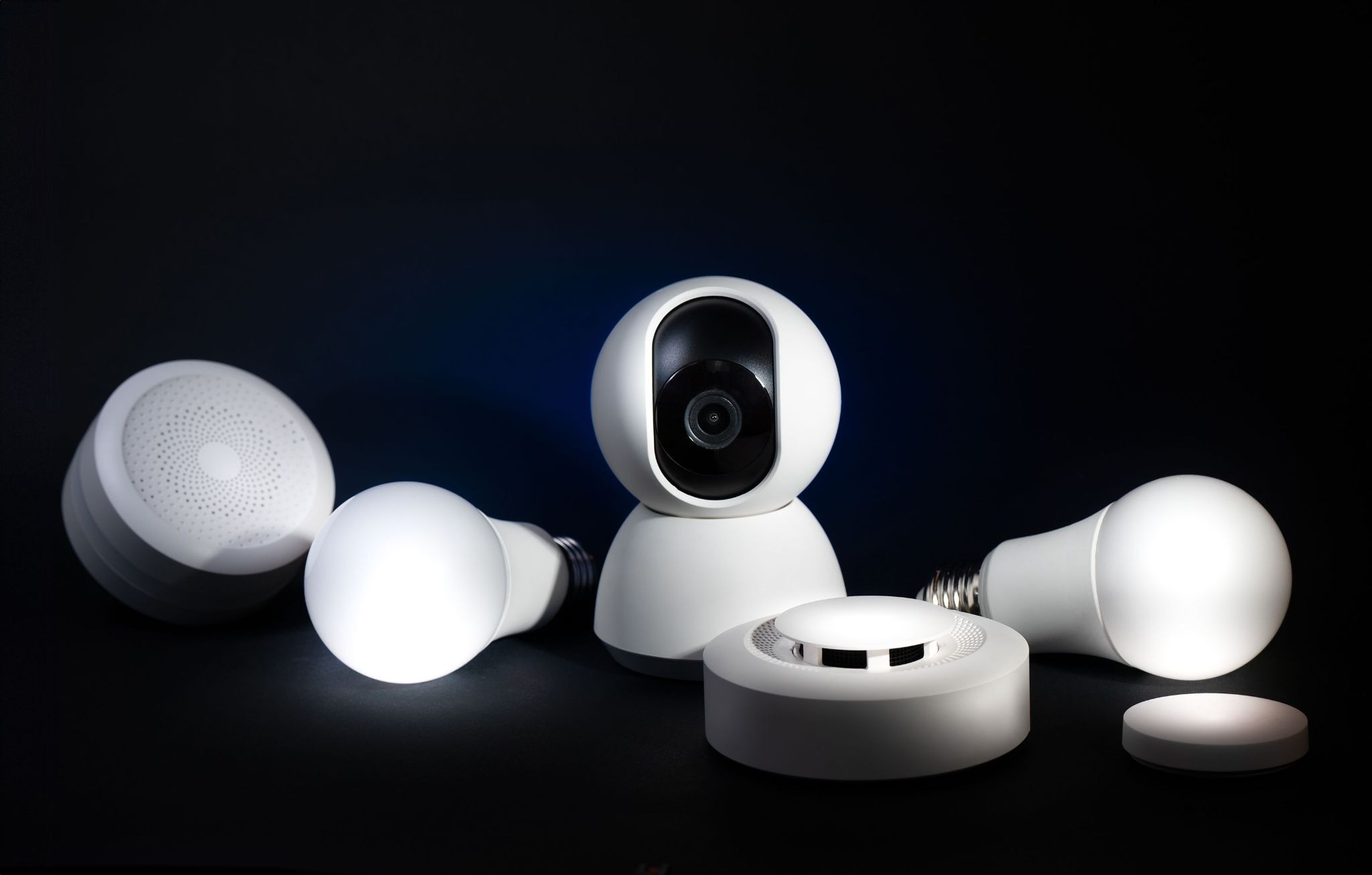
Homeowners sometimes spend hundreds or even thousands of dollars on technology that looks impressive at first. A few years later, the device may be outdated, difficult to maintain, or simply irrelevant to buyers.
If your goal is to improve your home before selling, it helps to know which smart gadgets are worth considering and which ones are better left on the store shelf.
Smart Features Can Become Expensive Decorations
A smart gadget can be useful without adding meaningful resale value. That distinction matters when you are deciding where to spend money on a property.
For example, a homeowner might install a smart mirror with built-in speakers, a high-tech toilet, or connected kitchen appliances. These features may create a modern feel, yet buyers are unlikely to increase their offer simply because several expensive gadgets are installed.
Before buying a smart device, ask yourself a simple question:
Would a typical buyer pay more for this feature, or would they simply think it is nice to have?
That question can prevent unnecessary spending.
Voice-Controlled Everything May Not Impress Buyers
Voice assistants can control lights, music, thermostats, televisions, and other devices. They can be convenient for everyday use, especially when you are already invested in a particular smart-home system.
The resale issue is that buyers have different preferences. One person may love controlling lights through voice commands, while another may prefer ordinary switches. Some buyers may also worry about privacy, compatibility, subscriptions, or having to learn a system they did not choose.
Installing a complete voice-controlled setup throughout the house can therefore cost more than it contributes to the property's appeal.
Smart Appliances Can Age Faster Than Kitchens
Smart refrigerators, ovens, washing machines, and other connected appliances often come with impressive screens and app features. They can show recipes, send notifications, track food, or connect with other household devices.
Technology moves quickly, though. A smart appliance can remain physically useful while its software, app support, or connectivity becomes outdated.
A buyer shopping for a home will usually care about whether the appliances work well, look good, and fit the kitchen. Paying a large premium for features that may become obsolete can be difficult to justify.
If an appliance needs replacement anyway, choosing a reliable and attractive model may make more financial sense than paying extra for every available smart feature.
Gadgets Worth Questioning Before You Buy
Here is a quick way to think about common smart-home purchases:
Smart Gadget | Everyday Use | Resale Impact to Consider |
Smart light bulbs | Convenient | Usually limited |
Smart speaker system | Entertainment and control | Usually limited |
Smart mirror | Convenience and appearance | Often limited |
Connected refrigerator | Extra features | Depends on buyer |
Smart toilet | Comfort and automation | Usually limited |
App-controlled blinds | Convenience | May appeal to some buyers |
Smart thermostat | Energy management | Can be more broadly useful |
Video doorbell | Security and convenience | May improve buyer appeal |
The key point is not that every gadget is useless. It is that price, usefulness, reliability, and buyer demand should guide the decision.
Fancy Lighting Can Eat Into Your Budget
Color-changing bulbs and app-controlled lighting systems can completely change a room's appearance. They are fun for homeowners who enjoy customizing their space, yet they rarely need to be a major selling point.
A simpler lighting upgrade may have a wider appeal. Clean fixtures, bright rooms, good-quality bulbs, and appropriate lighting levels can make a property feel more welcoming without requiring an expensive technology package.
If you are preparing a home for sale, improving the overall condition and appearance of each room may provide a more practical use of your budget.
Homeowners Can Spend More Than Buyers See
One of the easiest mistakes is confusing personal enjoyment with resale value.
You might love a $1,500 smart entertainment system because you use it every evening. That does not mean a buyer will add $1,500 to their offer. The same applies to automated curtains, smart pet feeders, connected bathroom accessories, and other niche gadgets.
This does not make those purchases wrong. If you are staying in the home for several years and will use the technology regularly, personal value can be enough. The problem arises when you install expensive gadgets solely because you expect them to increase the selling price.
For homeowners preparing to sell, companies such as Plot Property Group can be part of the research process when considering what property improvements are worth making before a sale.
High-Tech Security Needs a Second Look
Smart locks, cameras, doorbells, and alarm systems can provide genuine convenience. They also raise questions that traditional locks and alarms may not.
Some devices require monthly subscriptions. Others depend on Wi-Fi, batteries, specific apps, or cloud services. A buyer may also want to replace the system after purchasing the property.
If you already own these devices, you do not necessarily need to remove them. Keep installation records, manuals, and account information organized. If a device is connected to your personal accounts, make sure your private information is removed before transferring ownership.
Put Your Renovation Budget Where Buyers Look
When money is limited, basic improvements can often take priority over flashy technology.
Think about repairs that buyers can immediately see or problems that could affect an inspection. A leaking roof, damaged flooring, poor exterior appearance, outdated electrical work, plumbing problems, or neglected maintenance can raise bigger concerns than the absence of smart devices.
A useful budget check looks like this:
Fix first: Safety issues, leaks, structural concerns, broken systems, and major maintenance problems.
Improve next: Paint, flooring, lighting, landscaping, cleanliness, and visible wear.
Consider later: Smart gadgets that improve convenience without creating a major expense.
This approach keeps technology in its proper place rather than allowing it to consume money that could address more important property needs.
Four Things Homeowners Often Wonder
Do smart home devices increase property value?
Some smart features may make a home more appealing, though there is no guarantee that a specific gadget will increase its sale price. Buyers typically consider the property's location, condition, layout, major systems, and overall market conditions alongside optional technology.
Should I remove smart gadgets before selling?
Not necessarily. If a device is useful and remains with the property, it may be worth keeping. Remove personal accounts and data from connected devices, provide relevant instructions, and make it clear which equipment is included in the sale.
Is a smart thermostat worth installing before selling?
A smart thermostat can have practical value because it may help homeowners manage heating and cooling more conveniently. If the existing thermostat works properly, replacing it solely for resale purposes may not be necessary.
Can smart gadgets make selling a house harder?
In some cases, complicated technology can create questions about subscriptions, compatibility, privacy, maintenance, or ownership. Keeping systems simple and providing clear information can make the technology easier for a buyer to understand.
Spend on What Still Matters After Closing
A smart home does not need to be packed with gadgets to feel modern. Buyers are still walking through a physical property, looking at its condition, layout, maintenance, storage, natural light, and major systems.
Technology can add convenience, yet convenience and resale value are not always the same thing. Before spending money on another connected device, consider how long you will use it, whether it requires ongoing costs, and whether a future buyer is likely to care.
Sometimes the smartest home upgrade is knowing when to put your wallet away.