



Ask any home buyer what worries them most about a house, and the roof lands near the top of the list. It is big, it is costly, and it protects everything underneath it. That is why one simple number comes up before almost every other question.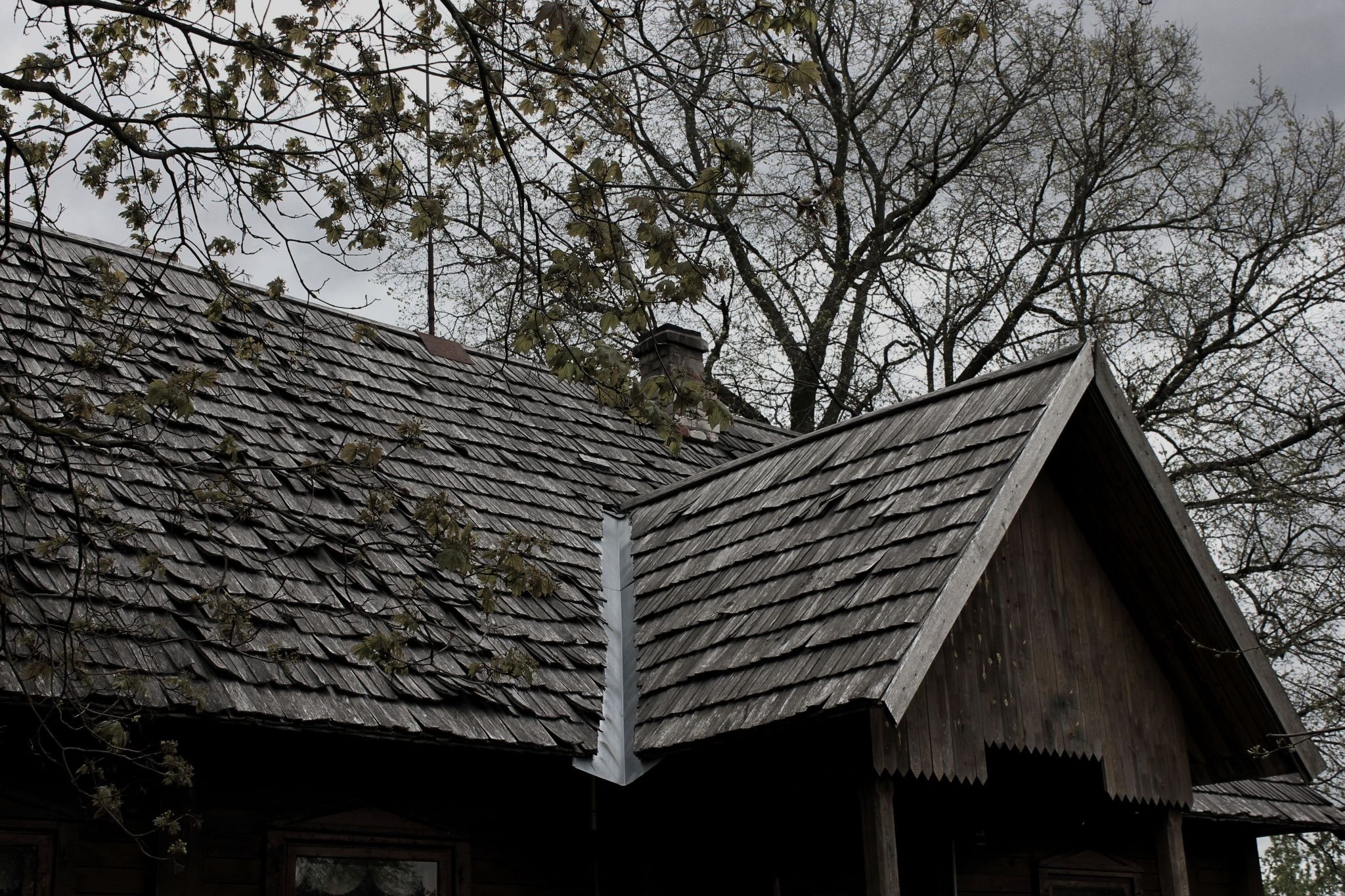
This guide explains why roof age matters, how long common roofs last, and how age changes price and insurance. You will also get clear signs to watch for during a home visit.
Why Buyers Care About Roof Age So Much
A roof is one of the priciest parts of a house to replace. A full replacement can run into the tens of thousands of dollars, so buyers want to know if that bill is close. An older roof can turn a good deal into a heavy expense. Nobody enjoys a surprise bill right after moving in.
Local shoppers feel this too. Delaware Home Buyers often see how coastal weather, humid summers, and winter storms wear down shingles faster than many people expect. A roof that looks fine from the street may already be near the end of its life.
Age also tells a story. It hints at past repairs, hidden leaks, and how much care the owner gave the home. One number gives buyers a quick way to judge risk before they spend money on an inspection.
How Long Each Roof Type Lasts
Not every roof ages at the same speed. Material, weather, and installation quality all play a part. Here is a simple guide to typical lifespans.
Roof Type | Typical Lifespan |
Asphalt shingles | 15–25 years |
Wood shakes | 25–30 years |
Metal | 40–70 years |
Clay or concrete tile | 50–100 years |
Slate | 75–150 years |
Most homes have asphalt shingles, so the 15 to 25 year range matters most. A roof at 15 years is not bad news by itself. It simply means the buyer should plan for a replacement in the near future.
Climate can cut these numbers short. Heavy sun, salty air, and repeated storms all speed up wear. A roof in a mild spot may last longer than one facing harsh weather every year.
Poor installation also shortens life. A roof with weak flashing or thin ventilation can fail years early, no matter what material it uses. Regular cleaning and small repairs can stretch a roof's life by several years.
How Roof Age Hits Price and Insurance
Roof age directly shapes what a buyer is willing to pay. A roof with 20 years behind it often leads to a lower offer, since the buyer will need funds for a new one soon.
Sellers feel the same pressure. A newer roof is a strong selling point, and it can help a listing stand out in a crowded market.
Insurance is another big piece. Many insurers charge more for older roofs, and some may refuse coverage once a roof passes a set age. Buyers should call an agent early to ask about rules and rates.
Lenders can raise questions too. A home with a worn roof may face extra checks during appraisal, which can slow a deal down.
Look for these signs during a showing, since they often point to a roof near its limit:
Curled, cracked, or missing shingles
Dark streaks or moss growth
Granules collecting in gutters
Water stains on ceilings or in the attic
Last Thoughts Before You Buy or Sell
Roof age is the first number buyers ask about because it points to cost, risk, and future repairs. Check the install date, look for warning signs, and call an insurer early. Whether you plan to buy soon or list later, that one number is worth checking today. With clear facts in hand, you can price a home with more confidence.
FAQs
How old is too old for a roof?
It depends on the material. For asphalt shingles, a roof near 20 years old is usually considered aged. Metal and tile roofs can last decades longer, so age alone does not tell the full story. Condition matters just as much.
Should I buy a home with an old roof?
You can, if the price reflects the cost of upcoming repairs. Get a roof inspection first, then ask the seller for a credit or a lower price. Plan a replacement budget so the expense never catches you off guard.
How can I find a roof's age?
Start with the seller, who may have receipts or permit records. Your city or county office can also share permit history. A home inspector or roofer can estimate age by checking shingle wear and other signs.
Does roof age affect home insurance?
Yes, it often does. Insurers view older roofs as higher risk, so premiums may rise or coverage may shrink. Some companies ask for a roof report before they issue a policy.
Can a new roof help me sell faster?
A new roof can build buyer trust and support a stronger price. Keep the invoice and warranty papers, and share them in the listing. Buyers like proof that a big expense is already handled.