



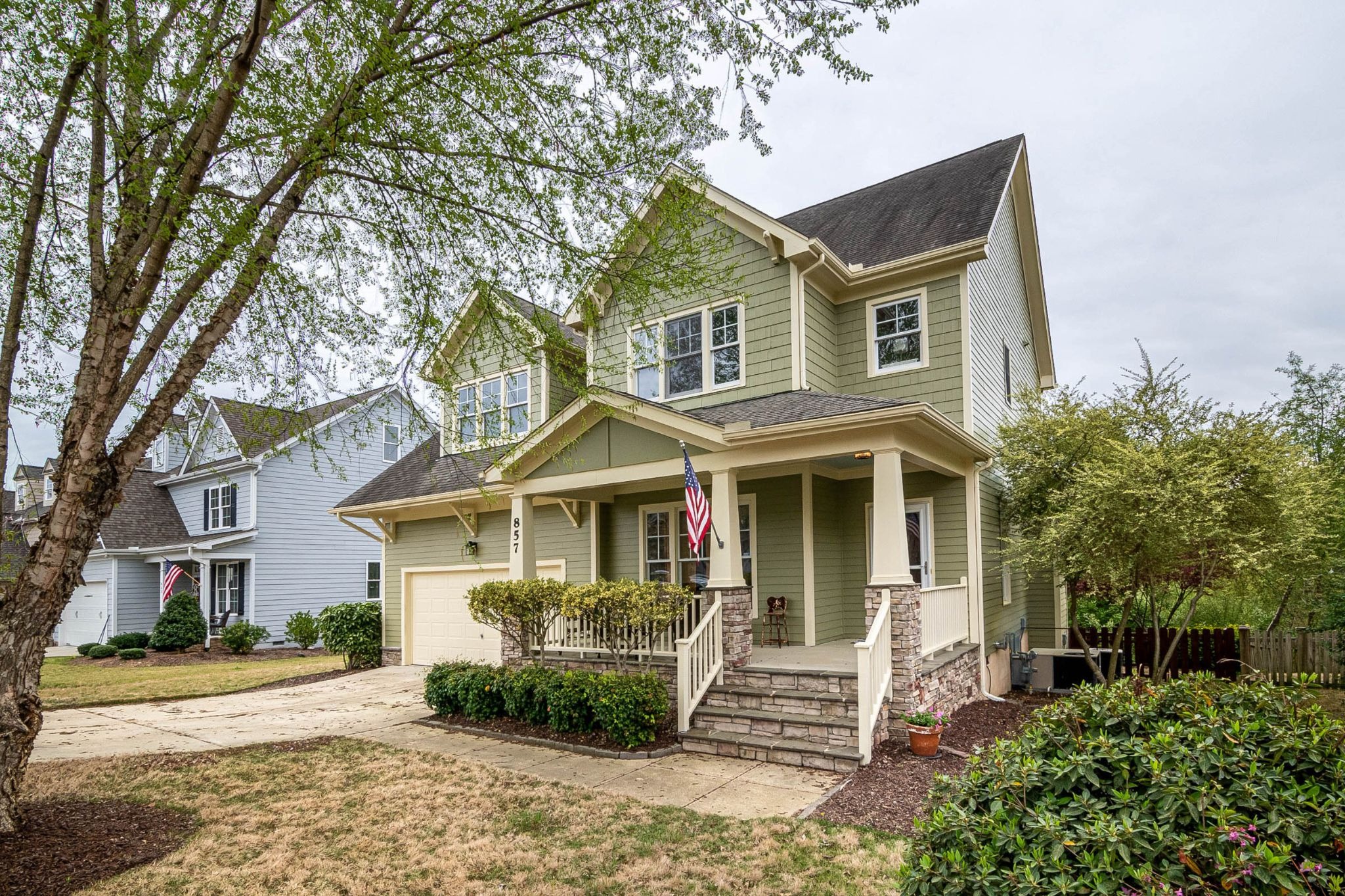
The Hidden Money Pit in Your Rental: Why HVAC and Attic Insulation Decide Your Bottom Line
Most landlords obsess over the obvious numbers: rent rate, vacancy, turnover cost, maintenance tickets. But two of the biggest line-item drains on a single-family rental rarely make it into the spreadsheet until they've already done damage: a tired HVAC system and the layer of insulation sitting silently above the ceiling. Together, they quietly decide whether a property earns its projected return or bleeds it month after month.
For owners managing rentals in Charlotte, the Carolinas, or anywhere in the Southeast, this is not a small problem. The climate punishes inefficiency. Summer humidity forces air conditioners to run longer cycles. Mild winters still demand heating on cold snaps that can drop into the 20s. And tenants who don't pay the repair bill but absolutely pay the power bill are quick to flag a home that feels uncomfortable or expensive to live in. That feedback shows up in reviews, in shorter lease renewals, and in the gap between your asking rent and what tenants are actually willing to pay.
Let's walk through why these two systems matter so much, what they cost when they're neglected, and how a smarter maintenance approach turns them from liabilities into quiet profit drivers.
The Real Cost of an Inefficient Rental
Industry data consistently shows that heating and cooling account for roughly half of a home's total energy use. In a rental, the tenant pays the utility bill, so it's tempting to assume that inefficiency is their problem. It isn't. Here's why.
When a tenant's electric bill runs $80–$150 higher per month than it should, three things happen. First, the home becomes harder to lease at top-of-market rent, because savvy renters now ask for utility history before signing. Second, your renewal rate drops and tenants who feel they're overpaying to live in a drafty or stuffy house start hunting in month nine. And third, the systems themselves wear out faster. An HVAC unit forced to compensate for poor insulation runs longer cycles, accumulates more wear, and fails years earlier than it should.
A premature HVAC replacement on a single-family rental in the Charlotte area typically runs $7,000 to $12,000. Spread that against a property earning, say, $1,950 a month, and you've just erased four to six months of gross rent. Worse, it usually happens during a tenancy, meaning emergency labor rates and zero ability to shop around.
This is the bottom-line case for treating HVAC and insulation as scheduled, predictable expenses rather than emergencies waiting to happen.
Why Old Insulation Is a Silent Saboteur
Insulation doesn't last forever, and most landlords have no idea what's actually sitting above their ceilings. In homes built before 2000 which describes a huge portion of the Charlotte rental inventory the original insulation may be compressed, contaminated, water-damaged, rodent-infested, or simply installed at an R-value that no longer meets modern code recommendations for the Southeast.
Here are the signs it's time to take a serious look:
The upstairs rooms are noticeably hotter than the downstairs in summer, or colder in winter. Energy bills have crept up year over year despite no change in occupancy. There's visible staining, sagging, or matting in the attic insulation. You've had rodent or wildlife activity in the attic at any point. The home has had a roof leak, even a small one, in the past decade. The HVAC system runs constantly but the tenant still complains about comfort.
When any of those flags appear, the right move is rarely a "top up." Adding fresh insulation on top of compromised material traps the existing problems of contamination, moisture, pest droppings, off-gassing and gives you a false sense of having addressed the issue. This is where professional attic insulation removal services become the smarter financial choice. Stripping the attic back to a clean deck, air-sealing the penetrations between the living space and attic, and then installing the correct R-value of new material is what actually delivers the energy savings on paper. Half-measures rarely do.
The cost? On a typical 1,800–2,200 square foot single-family rental, a full removal and replacement project runs in the range of $3,500 to $6,500 depending on attic access, existing material type, and chosen R-value. That sounds like a lot until you weigh it against the alternative: an HVAC system replaced five to seven years early, plus the renewal rate hit, plus the comfort complaints that drive tenants away.
The Garage HVAC Problem No One Talks About
There's a specific blind spot in rental property management that costs owners real money: the garage. In many Southeastern single-family homes, the HVAC air handler, ductwork, water heater, or even the entire system lives in the garage. That space is unconditioned. It bakes at 110 degrees on summer afternoons and drops near freezing in winter. And the equipment inside it is being asked to perform efficiently in those conditions, day after day, year after year.
The result is twofold. The equipment works harder and fails sooner. And the ductwork usually flexes duct, often poorly sealed leaks conditioned air into the garage instead of delivering it to the rooms where tenants live. You're literally paying to cool a garage.
This is why a garage HVAC maintenance contract is one of the highest-ROI line items a landlord can carry on a Southeastern rental. A proper contract covers seasonal inspections (twice yearly, ideally), coil cleaning, condensate line flushing, refrigerant checks, duct integrity inspection, blower motor servicing, and capacitor testing the small components that, when they fail unexpectedly, take the whole system down. Most contracts also include priority service during peak summer demand, which matters when every HVAC company in the metro is booked solid in July and your tenant is sitting in a 90-degree house.
The math works heavily in the owner's favor. A typical residential service agreement runs $200 to $400 per year. The labor and parts savings on a single avoided emergency call easily cover several years of contract fees. More importantly, well-maintained systems last roughly 50% longer than neglected ones pushing a $9,000 replacement from year 12 out to year 18 or beyond.
Building These Into Your Rental Operating Plan
If you're managing one or two properties yourself, the temptation is to react. Something breaks, you fix it. But seasoned investors and the property management firms that work with them treat HVAC and insulation as scheduled capital and operating items, not surprises.
Here's the framework worth borrowing.
At acquisition, get an attic inspection in writing. Note the insulation type, depth, condition, and any signs of pest or moisture intrusion. This becomes your baseline. If the report flags concerns, price the remediation now and decide whether it gets done before the first lease or rolled into a future turnover.
Annually, schedule both seasonal HVAC visits. Spring service before cooling season, fall service before heating season. Document everything filter changes, refrigerant levels, component condition. This paper trail protects you in warranty disputes, justifies your operating expenses at tax time, and gives you a data-driven sense of when replacement is approaching so it doesn't blindside you.
Every five to seven years, reassess the attic. Insulation settles. Pests find their way in. Roofs age. A quick look every few years catches problems while they're still inexpensive to fix.
At turnover, do the energy audit you can't do during a tenancy. With the home empty, you can run a blower door test, check duct leakage, walk the attic without disturbing anyone, and make the upgrades that pay back over the next tenancy in the form of higher achievable rent and faster lease-up.
The Bottom Line
A rental property doesn't earn its return on the day you collect rent. It earns it across the long arc of decisions about what to maintain, what to upgrade, and what to ignore. HVAC and attic insulation sit at the top of that decision tree because they touch everything else: tenant comfort, energy costs, equipment lifespan, renewal rates, and ultimately the resale value when you decide to exit.
The owners who treat these systems as scheduled investments rather than emergency expenses consistently outperform the ones who don't. The math isn't complicated. The discipline is what's rare.
If you're staring at a property that's running hot in summer, cold in winter, eating filters every six weeks, or quietly compressing your operating margin year after year, that's the property telling you exactly where to look first.