



Most landlords think about property maintenance in pretty straightforward terms. Is the flooring decent? Do the appliances work? Does the place look clean between tenants? Makes sense. These are the things you can see, the things that keep rent checks coming and property values stable.
But there's this whole category of maintenance that almost nobody thinks about until they're staring it in the face: biohazard contamination.
Why This Matters More Than You Think
Biohazard situations don't happen often. That's the good news. The bad news? When they do happen, they can completely derail your leasing timeline, open you up to serious liability, and create health problems that your regular cleaning crew isn't equipped to handle.
And here's the thing. Most property investors don't even know this is a blind spot until they're dealing with one.
What Actually Happens in Real Rentals
Forget what you've seen in crime dramas. Biohazards in rental properties usually aren't dramatic. They're quiet problems that escalate slowly. Landlords commonly encounter biohazards in scenarios such as:
Unattended deaths where fluids have soaked into subfloors
Hoarding situations involving human or animal waste
Drug use or manufacturing that leaves chemical residue
Sewage backups that contaminate living areas
A lot of landlords figure that once they've cleaned up the visible stuff and the place smells okay, they're good to go. They're ready to list it again. That assumption? It's one of the most expensive mistakes you can make.
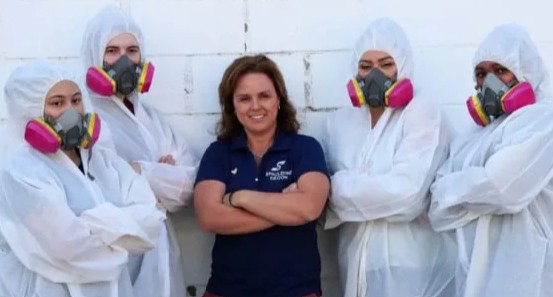
"Biohazards are often invisible to the untrained eye," Laura Spaulding says. She's the founder of Spaulding Decon, and she's seen this play out more times than she can count. "Bloodborne pathogens, bacteria, and chemical residues can remain in flooring, walls, and air systems even when a unit looks clean."
That gap between looking clean and actually being safe? That's where landlords get into trouble.
Why Your Regular Cleaning Won't Cut It
Look, turnover cleaning is important. Resources like RentBottomLine's guide on how to clean your property give solid advice for maintaining standards and keeping vacancy time low. For most move-outs, those practices work perfectly fine.
But biohazard situations are different. Your mops and disinfectant sprays aren't designed for this. Even professional janitorial services can't safely remove materials that might carry infectious diseases or toxic substances. Sometimes improper cleaning actually spreads the contamination deeper into porous surfaces or through ventilation systems.
This matters because once someone moves in, you're still on the hook for providing a safe place to live. When contamination gets discovered after a new tenant is already there, the problems multiply fast.
When You've Crossed the Line
Biohazard events look different, but there are warning signs that tell you this isn't a standard cleaning job. Persistent odors that come back after you've cleaned. Visible staining that's penetrated into the flooring or baseboards. Anything involving bodily fluids, waste, or drug residue.
Common scenarios landlords face include unattended deaths where fluids have soaked into subfloors. Hoarding situations with human or animal waste. Drug use or manufacturing that leaves chemical residue behind. Sewage backups that contaminate living areas.
These need specialized handling because they're health risks. Not just to your tenants, but to your maintenance staff and vendors too.
The Expensive Mistake of Waiting
One of the worst things property owners do is try to handle biohazard cleanup themselves or put off getting professional help to save money. What starts as trying to save a few bucks turns into repeated cleanings, longer vacancies, and tenant complaints that turn into legal headaches.
"Delays almost always make remediation more complex," Laura Spaulding explains. "The longer contamination sits, the more deeply it embeds into materials. Early intervention protects both the property and the people involved."
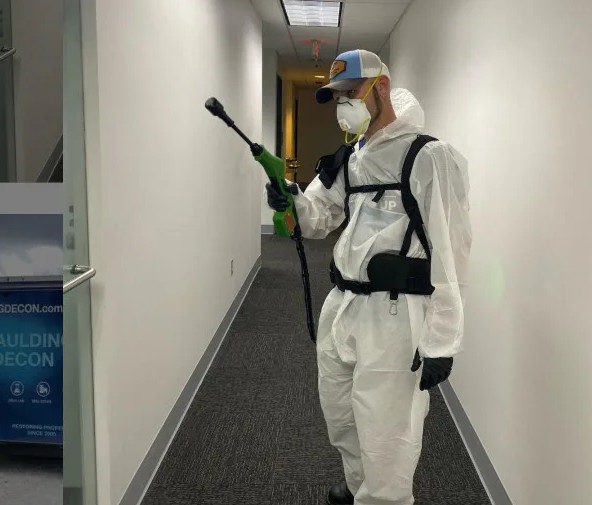
Certified providers offering Professional Biohazard Cleanup Services follow strict safety protocols. Containment, proper disposal, verification that affected areas are actually remediated. And that documentation? It can be critical for insurance claims and regulatory compliance.
It's Not Just About the Next Tenant
Biohazard response isn't only about getting a unit ready to rent again. It's about protecting everyone who enters that property during the cleanup process.
Asking your in-house staff or untrained cleaners to handle hazardous materials can expose you to worker safety violations and liability claims you don't want.
Professional remediation teams use specialized equipment, protective gear, and industry-approved disinfectants. They reduce risk and ensure you're meeting health and safety standards. From an investment standpoint, this protects your long-term property value by preventing recurring issues and damage to your reputation.
Build This Into Your Plan
You can't predict when a biohazard situation will happen. But you can prepare for it.
Treating biohazard response as part of your broader risk management strategy means you can act decisively instead of scrambling to react. Planning ahead means knowing who to call, understanding where routine cleaning stops being enough, and recognizing when you need certified remediation instead of cosmetic fixes. These decisions protect your cash flow, reduce downtime, and show you're running a responsible operation.
Biohazard-impacted rentals aren't fun to think about. But ignoring them doesn't make them go away. As Laura Spaulding explains, "The safest properties are owned by people who plan for the situations they hope never happen."
If you're serious about protecting your bottom line, dealing with this overlooked side of maintenance isn't optional. It's necessary for safeguarding both people and property.