



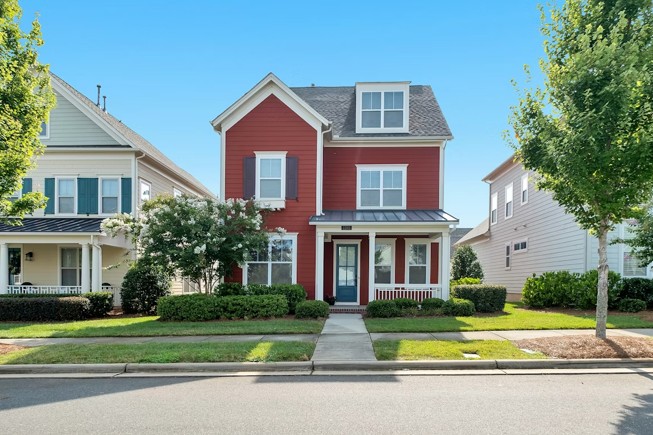
Exterior upkeep plays a direct role in how a rental property performs over time. Tenants notice the outside long before they step indoors, and that first impression shapes trust, comfort, and willingness to pay. Clean lines, sound materials, and visible care suggest reliability. Neglect sends the opposite signal and invites doubt. Property performance depends on occupancy, retention, and maintenance costs, and exterior condition influences all three. Smart owners treat exterior care as a revenue driver rather than a cosmetic choice. When the outside looks strong, the property competes better, ages more slowly, and attracts tenants who respect the space.
1. Curb Appeal as a Revenue Signal
Curb appeal acts as a silent conversation with potential renters. Fresh paint, trimmed landscaping, and intact surfaces communicate pride and attention. Prospective tenants often decide within minutes whether a property fits their standards. Strong exterior presentation shortens vacancy periods and supports higher asking rents. Renters associate exterior quality with interior comfort, even before viewing a unit. A well-kept façade also attracts longer-term tenants who value stability. These residents renew leases more often, which reduces turnover costs. Consistent exterior care builds a recognizable standard that renters remember and recommend.
2. Roof Condition and Long-Term Stability
Roofing defines protection, comfort, and cost control for any rental property. A solid roof shields interiors from weather stress and prevents cascading repairs. Small issues grow quickly when ignored, especially during heavy rain or temperature swings. Regular inspections and timely repairs protect ceilings, insulation, and electrical systems. Owners who coordinate early with a qualified roofing contractor often avoid emergency expenses and tenant disruptions. Renters notice leaks, drafts, and stains immediately, and those issues erode trust fast. A dependable roof supports steady performance by keeping units habitable and predictable. Consistent roofing care also reassures tenants that management values safety and planning.
3. Exterior Maintenance and Tenant Retention
Tenants stay longer in properties that feel cared for. Exterior upkeep signals ongoing attention rather than reactive management. Clean walkways, working lights, and intact siding create daily convenience and safety. Residents feel comfortable inviting guests and taking pride in their surroundings. That emotional connection matters. When tenants feel respected, they treat the property better and communicate issues earlier. Retention rises when residents see visible proof of maintenance. Fewer move-outs mean fewer repairs, less advertising, and steadier cash flow. Exterior consistency builds loyalty without words.
4. Preventive Care and Cost Control
Preventive exterior maintenance saves money through timing and planning. Small fixes cost less than large replacements, and scheduled work avoids premium labor rates. Cracks, moisture, and wear show early signs on the exterior. Addressing them quickly protects structural components and finishes. Predictable maintenance budgets allow owners to plan upgrades instead of reacting to damage. This approach stabilizes operating costs and reduces financial shocks. Properties that age well maintain value and appeal longer. Prevention keeps performance steady across seasons and market shifts.
5. Market Positioning Through Visual Consistency
Exterior upkeep shapes how a rental property competes locally. Consistent visuals create a recognizable identity that stands out in listings and drive-bys. Renters compare options fast, and appearance influences those choices. Properties with cohesive exteriors project professionalism and reliability. This perception supports pricing strength even in competitive markets. Visual consistency also simplifies future improvements by setting clear standards. A strong exterior presence anchors performance by aligning perception with reality.
6. Weather Resistance and Seasonal Readiness
Exterior upkeep prepares a rental property to face seasonal stress without disruption. Rain, heat, wind, and cold test surfaces year-round. Sealed exteriors, clear drainage, and maintained materials prevent moisture intrusion and temperature imbalance. Seasonal readiness reduces surprise repairs and protects tenant comfort. Renters notice when doors close properly, pathways stay clear, and outdoor areas remain usable. A property that handles weather well feels dependable. That dependability supports consistent occupancy and fewer complaints, which strengthens overall performance.
7. Safety, Compliance, and Liability Reduction
Exterior conditions directly affect safety and legal exposure. Cracked steps, loose railings, and poor lighting increase accident risk. Proactive upkeep keeps properties compliant with local codes and safety standards. Clear signage, stable surfaces, and visible lighting create secure environments. Tenants feel safer when shared spaces show care and structure. Reduced incidents lower insurance claims and legal disputes. Strong safety practices protect both income and reputation. Performance improves when risk stays under control.
8. Exterior Upgrades and Perceived Value
Strategic exterior upgrades raise perceived value without full renovations. Updated finishes, modern fixtures, and refreshed landscaping create a contemporary look. Renters often accept higher rents when the exterior feels current and polished. These upgrades also photograph well, which boosts listing performance. Visual improvements signal progress and relevance in changing markets. Perceived value influences tenant expectations and behavior. When renters feel they receive quality, they respond with respect and commitment.
9. Maintenance Visibility and Tenant Trust
Visible maintenance builds trust faster than promises. Tenants judge management by actions they can see. Clean common areas, prompt exterior repairs, and a consistent appearance show accountability. This visibility encourages open communication and early reporting of issues. Trust reduces conflict and speeds resolution. Properties with transparent care routines experience smoother operations. Tenant confidence supports stable income and positive reviews. Performance improves when trust replaces uncertainty.
10. Exterior Consistency Across Portfolios
Owners with multiple properties benefit from consistent exterior standards. Uniform care simplifies maintenance planning and branding. Renters recognize reliability across locations. This consistency strengthens reputation and referral flow. Standardized upkeep also streamlines vendor relationships and budgeting. Predictable results support scalable growth. Exterior discipline across a portfolio creates operational clarity. That clarity reflects directly in performance metrics.
11. First Impressions That Drive Leasing Decisions
First impressions often decide whether a prospective tenant schedules a viewing or keeps scrolling. The exterior sets expectations before any conversation begins. Clean finishes, maintained entrances, and orderly surroundings communicate reliability and pride. These signals reduce hesitation and speed up leasing decisions. A strong exterior also attracts applicants who value quality and stability. When the outside looks intentional and cared for, the property competes more effectively, fills vacancies faster, and sustains performance through consistent renter interest.
Exterior upkeep shapes rental property performance in visible and measurable ways. Appearance influences demand, safety affects stability, and prevention controls costs. Tenants respond to care with loyalty and respect. Owners who prioritize exterior maintenance protect value and strengthen income streams. Performance improves when the outside reflects intention, consistency, and foresight.