



The True Cost of Owning a Swimming Pool: What Homeowners Often Overlook
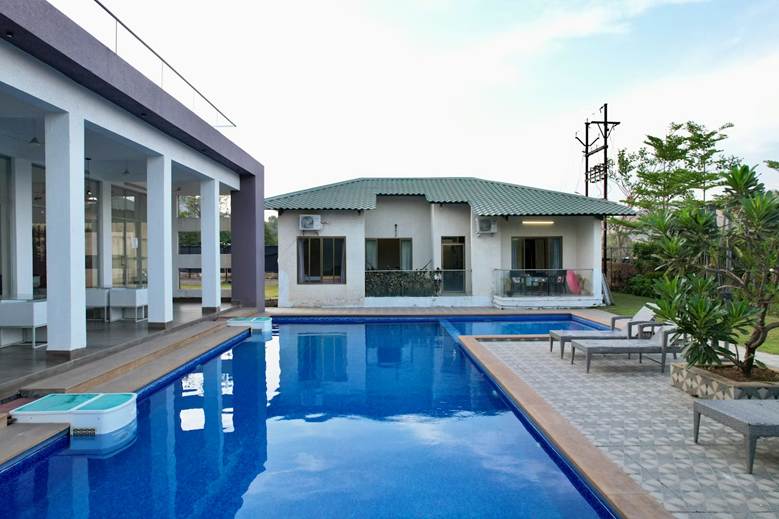
The decision to install a swimming pool is typically framed around the installation cost, and that number alone is significant. The average in-ground pool runs $65,000, with higher-end installations exceeding $120,000. But the conversation about what a pool actually costs rarely extends far enough past that initial figure, and for most homeowners, the ongoing expenses are where the financial reality of pool ownership becomes clear. According to 2026 pool industry data, homeowners typically spend between $3,030 and $5,995 per year on maintenance, chemicals, electricity, repairs, and seasonal services, and that range expands considerably when major equipment replacements or structural repairs enter the picture. Over twenty years, the cumulative maintenance cost on a standard in-ground pool can match or exceed the original installation price. Understanding where those costs come from, and which ones tend to catch homeowners off guard, is the difference between budgeting realistically for pool ownership and being surprised by it.
The Baseline Costs Most Homeowners Underestimate From the Start
Pool ownership comes with a set of recurring expenses that are present every season, regardless of how little or how much the pool is used. Chemicals alone represent a significant and consistent line item. Chlorine, pH balancers, algaecides, and water clarifiers average $500 to $800 annually for a standard pool, rising further during hot summers when algae growth accelerates. Electricity is the other baseline cost that surprises new pool owners: running a pool pump accounts for the majority of electrical draw, and most homeowners see a 30% to 50% increase in their electric bills during the swimming season. Water loss through evaporation, backwashing, and splash-out requires regular refilling, adding $30 to $75 per month in many climates. Together, these three recurring costs represent the floor of what pool ownership costs annually, before any service, repair, or equipment expense is factored in.
Equipment Replacement: The Cost Category Most Homeowners Miss Entirely
Pool equipment does not last indefinitely, and the replacement timeline on each major component carries a cost that most homeowners fail to account for when they calculate the affordability of a pool. Pumps, filters, heaters, and automation systems all have finite lifespans, and their failure tends to cluster in ways that make the expense feel sudden even when it is entirely predictable. Major equipment replacement can reach $28,925 over a decade when all components are factored in across their replacement cycles. Salt cells in saltwater systems need replacement every three to seven years at $400 to $700 each. Robotic pool cleaners require repairs or replacement every few years. Pool heaters can fail at any point and cost $2,000 or more to replace. When these costs are amortized across twelve months, they add $1,000 to $1,600 annually to the true cost of ownership, a figure that rarely appears in the initial conversations homeowners have about whether they can afford a pool.
What Service Professionals See in Pools That Were Not Maintained Consistently
The gap between what a pool looks like on the surface and what is happening with its chemistry and equipment is one of the most consistent patterns in residential pool service. Problems that develop gradually over weeks or months often remain invisible to the homeowner until they require expensive correction, and the cost of that correction almost always exceeds what consistent maintenance would have cost to prevent it.
“We get called in on a lot of pools where the owner has been doing their best to keep up with it themselves, but the chemistry is off, the filter hasn’t been cleaned properly, and now they’re dealing with an algae problem that requires an acid wash to fix,” said Ricardo Reyes, owner of Reyes Pool Service. “An acid wash is not a small expense, and in most cases it was avoidable. The same thing happens with equipment. A pump that starts making noise gets ignored for a few months and then burns out completely. Replacing a burned-out pump costs two or three times what it would have cost to service it when the problem first showed up. What we tell people is that a pool is not something you can maintain in bursts. It needs consistent attention, and the cost of that consistency is always lower than the cost of fixing what happens without it.”
That pattern of deferred pool maintenance producing disproportionate repair costs mirrors the same dynamic documented across other home systems, and it is among the primary reasons experienced pool owners tend to move toward professional service contracts rather than intermittent DIY maintenance.
The Hidden Costs That Rarely Appear in Ownership Estimates
Beyond routine maintenance and equipment replacement, pool ownership carries a set of secondary costs that most prospective buyers do not encounter until after installation. Homeowners' insurance premiums increase when a pool is present, typically by $100 to $300 annually, reflecting the elevated liability exposure a pool creates on the property. Pools increase property risk and raise insurance premiums as a standard underwriting response. In many jurisdictions, a fence meeting local safety code requirements is mandatory, representing an upfront cost of $1,500 to $10,000 depending on material and perimeter length. Pool resurfacing, which concrete pools require every 10 to 20 years, costs approximately $5,000 per 1,000 square feet and is among the largest single expenses in the ownership lifecycle. Deck repair, coping replacement, and plumbing leaks add to the long-term cost profile in ways that are difficult to predict precisely but consistent enough that experienced pool owners budget for them as a matter of course.
Does a Pool Add Value to the Home, and Does That Offset the Cost?
The relationship between pool ownership and home value is more complicated than the lifestyle appeal of a pool suggests. In warm-weather markets where pools are common and expected, an in-ground pool can add 5% to 7% to a home’s resale value. In cooler climates where pools are less common and carry higher seasonal maintenance demands, the same pool may add little to no value and, in some cases, can deter buyers who view the ongoing cost as a liability rather than an amenity. Even in favorable markets, homeowners typically recover only 30% to 60% of installation cost through resale, and that figure does not account for the cumulative maintenance expense over the ownership period. A pool installed for $65,000 that adds $20,000 to the home’s value represents a net financial outlay of $45,000 before a single year of operating expense is counted. For homeowners who purchase or build a pool primarily for lifestyle reasons, that calculation may be entirely acceptable. For those who expect the pool to pay for itself through increased home value, the math rarely supports the expectation.
Professional Service vs. DIY: What the Cost Comparison Actually Looks Like
The decision between professional pool service and DIY maintenance is one most pool owners revisit at some point, often after an expensive repair that consistent professional attention might have prevented. DIY maintenance reduces the direct labor cost of service, but it transfers the time, expertise, and liability for water chemistry management to the homeowner. 63% of pool owners underestimate the long-term costs of pool ownership, and the gap between what homeowners expect to spend and what they actually spend tends to be largest among those managing maintenance themselves without professional oversight. Professional monthly service contracts typically run $100 to $300 per month and include water chemistry management, equipment inspection, and early identification of developing problems. The service cost is real, but so is the value of catching a failing seal, an underperforming pump, or an early-stage algae condition before each becomes a larger repair.
Budgeting for Pool Ownership the Way Experienced Owners Do
The homeowners who are least surprised by the cost of pool ownership are those who budgeted for it comprehensively before the pool was installed rather than after. The baseline maintenance and chemical costs, the equipment replacement reserve, the insurance adjustment, the structural maintenance timeline, and the professional service costs all belong in that budget from the beginning. The average cost of owning a pool runs $4,000 to $12,000 per year when electricity, water, and routine repairs are included alongside standard maintenance, and in years when a major equipment failure or structural repair occurs, that figure increases further. A pool is one of the more expensive amenities a homeowner can add to a property, and the installation cost is only the beginning of that expense. The homeowners who enjoy their pools most tend to be those who went in with a clear picture of what it actually costs to keep one running well.