



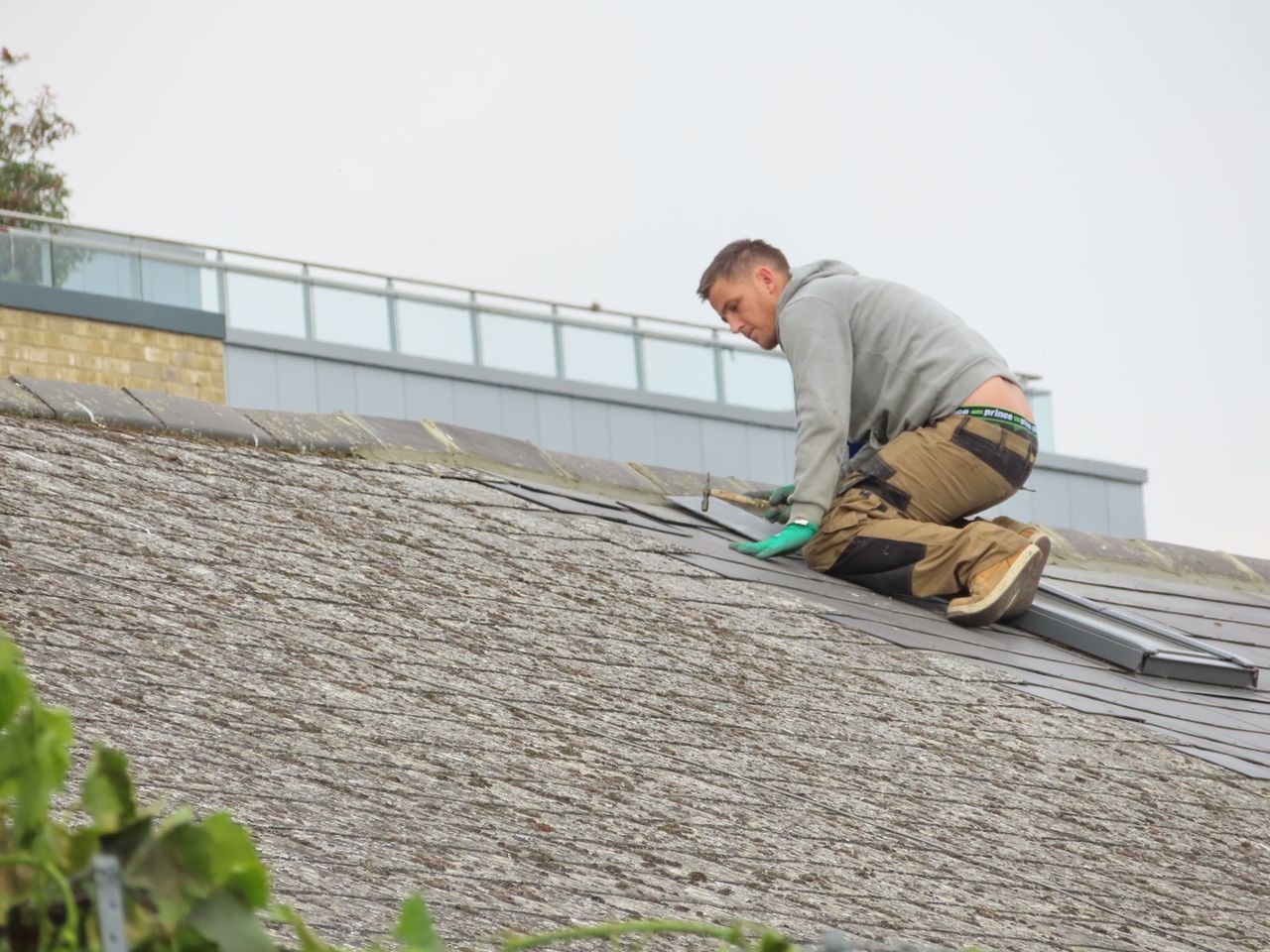
Roof repairs can vary a lot in price. A small leak may need a simple fix, while major storm damage can require much more work.
The final cost depends on the type of damage, the roofing material, labor needs, and how easy the area is to reach. Knowing these factors can help homeowners plan a better budget.
It also helps to act early. Small roof problems can become more expensive if water reaches insulation, wood, ceilings, or walls.
The Size of the Repair Matters
One of the biggest cost factors is the size of the damaged area.
A few missing shingles may be fairly simple to replace. A larger section with water damage underneath may take more time and materials.
Roofers may also need to remove damaged parts before new materials can be installed. This adds labor and disposal costs.
The location of the damage matters too. A small repair on a steep or hard-to-reach part of the roof may still cost more because it takes extra time and safety equipment.
Getting a full inspection can help show whether the problem is limited or more widespread.
Roofing Materials Affect the Price
Different roofing materials come with different repair costs.
Asphalt shingles are common and are often easier to repair than some heavier or more complex materials. Metal, tile, slate, and flat roofing systems may require special tools or skills.
Matching old materials can also be a challenge. If the roof is older, the exact color or style may no longer be easy to find.
Some materials are also more expensive to buy. This can raise the total repair price even when the damaged area is small.
Homeowners should ask what materials are being used and whether they match the existing roof.
Labor Can Be a Major Part of the Cost
Roof repair is skilled work, and labor can make up a large part of the final bill.
The amount of labor depends on how difficult the repair is. Simple work may take only a short time, while more serious damage may require several steps.
Steep roofs, tall buildings, and tight spaces can also increase labor needs. Roofers may need extra safety gear or more workers.
Weather can affect the schedule as well. Rain, strong wind, or extreme heat may slow the job.
When comparing estimates, do not look only at the material price. Labor quality is important because poor repairs may lead to more problems later.
Hidden Damage Can Raise the Final Price
Sometimes the full problem is not clear until part of the roof is opened.
Water may have damaged the roof deck, insulation, or wood below the surface. These hidden issues can increase the repair cost.
This is why an estimate may change after work begins. A good contractor should explain any new damage before moving forward with extra repairs.
Homeowners should leave some room in the budget for unexpected problems.
If you are looking into roof repair in Buford, it can help to ask whether the estimate includes possible deck or flashing repairs.
Clear pricing details can make it easier to avoid surprises.
Flashing and Leak Repairs Can Vary
Flashing is used around chimneys, vents, skylights, and roof edges.
When flashing becomes loose or damaged, water can enter through small gaps. In some cases, replacing a small section may solve the problem.
Other leaks can be harder to find. Water may travel under roofing materials before showing up inside the home.
This can make leak repairs more time-consuming.
The cost may depend more on finding the source than on the size of the visible stain.
A careful inspection is important because fixing the wrong area will not stop the leak. Early repairs can also prevent moisture from spreading into insulation, ceilings, or structural materials around the affected area.
Storm Damage May Increase Repair Costs
Storms can cause several types of damage at once.
Strong wind may lift shingles, hail may damage the surface, and fallen branches may break roofing materials.
When several areas are affected, repair costs can rise quickly.
Emergency work may also cost more, especially if temporary protection is needed right away.
After a storm, take photos of visible damage from a safe location. Do not climb onto a wet or unstable roof.
It may also be useful to review your insurance policy. Coverage rules can vary, so homeowners should understand deductibles and limits before assuming a repair will be covered.
Timing Can Affect the Cost
The time of year can sometimes affect roof repair pricing.
Busy seasons may have higher demand, which can make scheduling more difficult. Emergency repairs after a major storm may also cost more because many homes need help at the same time.
Planned maintenance is often easier to manage than last-minute work.
If you notice loose shingles, small leaks, or damaged flashing, it is usually better to fix them before severe weather arrives.
Early action may reduce the chance of larger damage.
Regular roof checks can also help homeowners plan repair costs instead of facing sudden expenses.
Compare Estimates Before Choosing a Contractor
It is often helpful to get more than one estimate for larger repairs.
Ask each contractor to explain the damage, repair method, materials, labor, and warranty.
The lowest price is not always the best choice. A very cheap estimate may leave out important work or use lower-quality materials.
Check that the contractor has the proper license and insurance for the area.
You can also ask for references or examples of past work.
A clear written estimate makes it easier to compare options and understand what you are paying for.
Conclusion: Plan for Roof Repair Costs
Roof repair costs depend on many factors, including damage size, materials, labor, hidden problems, and roof access.
The best way to control costs is to catch problems early and understand what the repair includes.
Regular inspections can help find loose shingles, worn flashing, leaks, and other issues before they become serious.
When repairs are needed, compare estimates and ask clear questions.
A careful approach can help protect the roof, the home, and your budget over the long term.