



How Do Insulated Curtains Cut Warehouse Energy Costs?
A large warehouse rarely needs the same temperature everywhere. One corner holds climate-sensitive stock. The rest of the floor sits half empty most days. Heating or cooling the whole shell wastes money every month. Yet the utility bill treats every square foot the same.

There is a simpler fix than framing new interior walls. Curtain-Divider supplies industrial insulated curtains that split a building into zones. A property manager can then condition only the space in active use. The panels hang from a ceiling track and move when the layout shifts. This article explains how that zoning trims cost.
Why Do Managed Warehouses Lose So Much Heat?
Open bays and tall ceilings work against climate control. Warm air rises and slips out through the roof deck. Cold air pours in each time a dock door rolls up. A single conditioned volume fights that flow all day.
Property teams feel the drag on every utility statement. Empty aisles still pull heat or cooling for no reason. Good commercial property maintenance keeps the equipment efficient, yet the building envelope still leaks. Zoning the interior attacks the waste right at its source. That is where a hanging barrier earns its keep.
The trouble grows with the size of the building. A big shell holds more air to condition. Older docks and worn seals make it worse. A curtain zone shrinks that problem to a manageable box.
How Do Insulated Curtain Walls Create Temperature Zones?
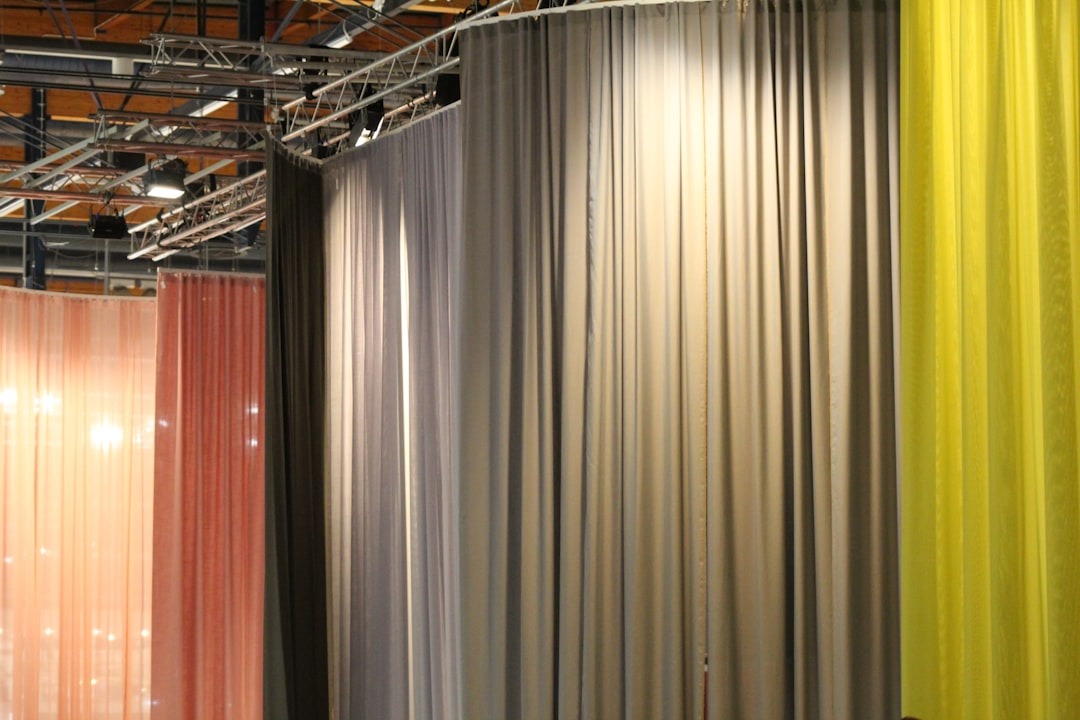
An insulated curtain wall is a hanging thermal barrier. It uses a heavy vinyl face over a fiber batting core. Curtain-Divider builds the face in 13-ounce or 18-ounce vinyl. That layered build slows heat transfer between two areas.
Curtain-Divider sizes single panels up to 20 feet wide. The company offers three insulation grades for these panels.
R3 batting suits mild separation and light climate control.
R6 batting fits standard warehouse zoning in most regions.
R9 batting serves cold rooms and harsh winter sites.
A crew mounts the track along the divide line in hours. The panels then slide open for forklift traffic. They close again to hold the conditioned air. No permits or framing crews are involved. The vinyl face also wipes clean during routine upkeep.
The right grade depends on the gap between the two zones. A cold room next to a warm dock needs more batting. A quiet office divide needs far less. Curtain-Divider helps managers match the grade to the setting.
What Energy Savings Can Facility Managers Expect?
Savings scale with the size of the sealed zone. A manager who conditions 5,000 square feet instead of 40,000 spends far less. The exact figure depends on climate, run hours, and insulation. Curtain-Divider does not promise a fixed percentage.
Federal guidance backs the basic idea. Tighter zones support energy-efficient building practices across a facility. A smaller conditioned space needs a smaller equipment load. That trims both energy use and wear on the units over time.
Tenants notice the comfort as well. A steady 68 degrees in a work zone beats a drafty open floor. Stable temperatures also protect stored goods. Fewer swings mean fewer damaged products across a year.
Peak demand charges add another angle. A smaller load draws less power at once. That can soften the demand line on a commercial bill. Curtain-Divider frames this as a range, not a guarantee. Each building sees its own numbers.
Where Do Insulated Curtains Work Best In a Facility?
Several spots in a managed building reward zoning. Match the panel weight to the job in each area.
Dock staging areas that lose air through open doors.
Cold rooms that hold food or temperature-sensitive stock.
Break rooms and offices tucked inside a large shell.
Seasonal storage bays used only part of the year.
Assembly cells that need steady heat for adhesives.
Air quality still matters inside a sealed zone. The plan should honor EPA guidance on building energy use and keep air moving. Fresh air must still reach the workers inside. Pair the curtain with the current HVAC setup, not against it.
What Does It Take to Install and Maintain the System?
Installation stays light compared to construction. A crew bolts the track to joists or a beam. The panels then hook onto rollers and glide into place. Most single zones go up within about 8 working hours. Tenants keep working through the process.
Upkeep is just as simple over the years. A soft cloth and mild cleaner wipe the vinyl face. A quick check of the rollers keeps the panels sliding. Curtain-Divider sizes replacement sections when a layout grows. That low overhead keeps the payback intact.
Key Points for Property Managers Weighing Curtain Walls
Insulated curtains zone a warehouse without framing permanent walls.
Curtain-Divider offers R3, R6, and R9 insulation grades.
Conditioning a smaller zone cuts monthly energy demand.
Panels slide open for forklifts and reseal in seconds.
Steady zone temperatures protect both workers and stored goods.
The system installs in hours and moves with the layout.
Planning a Warehouse Zoning Upgrade
A warehouse does not need one temperature from wall to wall. Insulated curtains carve out the zones that actually earn conditioning. They cost far less than a framed addition. A manager can start with one dock or one cold room. Clear rules on tenant and landlord HVAC duties keep the savings on track.
FAQ
How Much Do Insulated Curtain Walls Cost?
Price depends on size, insulation grade, and hardware. A single zone often runs a few thousand dollars. That still lands near one-third the cost of a framed wall.
Can Insulated Curtains Handle Forklift Traffic?
Yes, the panels slide open on a track for equipment. A driver passes through, and the curtain reseals the zone. A 12-inch vision strip lets workers see traffic before crossing.
Do These Curtains Work for Cold Storage?
They do, especially the R9 insulated grade. The thick batting slows heat gain from the warm side. Curtain-Divider sizes panels for walk-in and room-scale cold storage.
Are Insulated Curtains Hard to Move Later?
No, the panels unclip from the track by hand. A small crew can relocate a zone in an afternoon. That flexibility suits tenants who reshape floors often. The same panels often move with a tenant to a new bay.